- Vertiv to deliver prefabricated, liquid-cooled infrastructure for Polar's high-density AI hub in Norway
- Hydroelectric power, low-GWP refrigerants and 120kW-per-rack cooling anchor the sustainability and performance case
What happened: Polar picks Vertiv for a hydro-powered, liquid-cooled AI facility in Norway
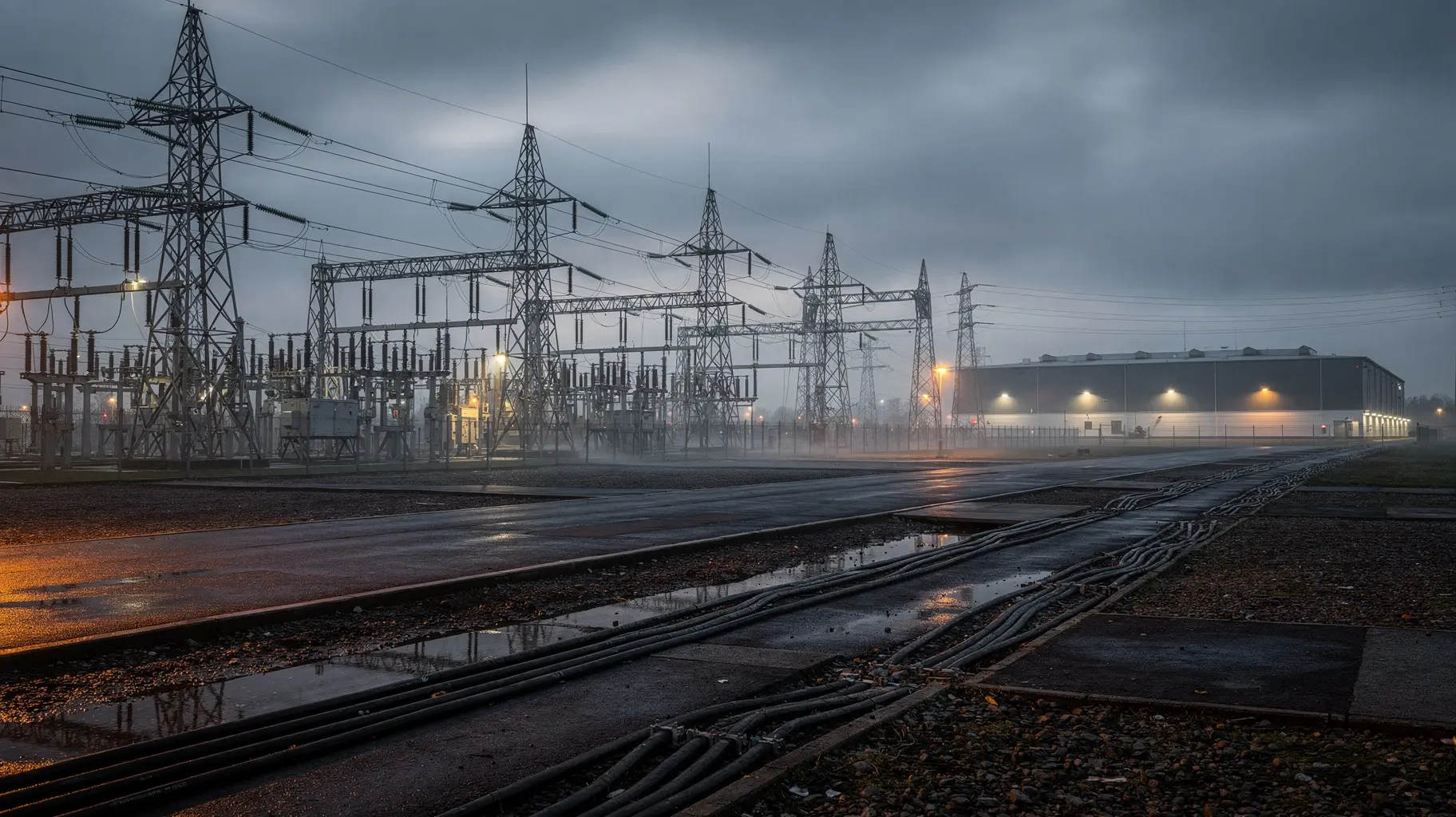
Every AI cluster is a power plant wearing a server rack's clothes — and Norway just volunteered a waterfall. Norwegian data centre provider Polar has named Vertiv its main infrastructure partner for its first AI-ready modular facility, a hydroelectric-powered site expected to go live in the second half of 2025 and the opening move in Polar's plan to build sustainable, high-density capacity across Europe.
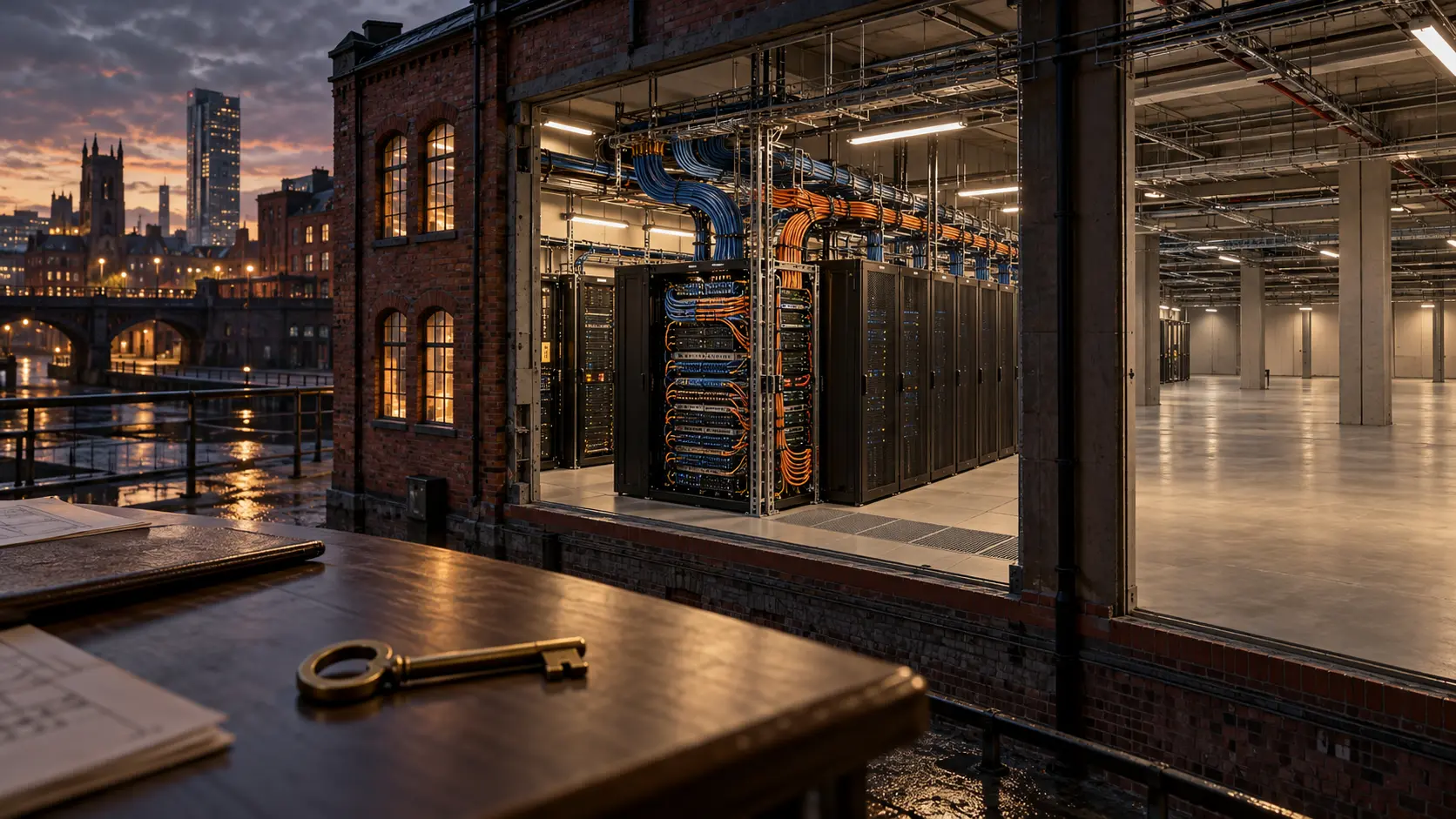
The headline number is the rack, not the roof. The facility uses liquid cooling to support up to 120kW per rack — a density band where air cooling stops being engineering and starts being wishful thinking — making it fit for demanding AI and HPC workloads. Vertiv will design, deliver, install and commission a 12 MW prefabricated modular (PFM) solution that can scale to 50 MW as demand arrives. The kit list includes the Vertiv™ EXL S1, a UPS tuned for variable loads, and the Vertiv™ Liebert® AFC chiller, which runs on a low-GWP refrigerant to cut emissions and shave energy use.
Also read: DataVolt to open AI-ready data centre in Riyadh
Also read: Singtel’s Nxera secures $476M for AI-ready data centre
Why it matters: the power bill is the new benchmark
AI and high-performance computing have turned electricity into the binding constraint. The interesting question about any new AI data centre is no longer how many GPUs fit inside it, but whether the megawatts, the cooling loop and the construction schedule can keep pace with the accelerators. Polar's answer is to stack three levers at once: renewable generation, dense liquid cooling, and a modular build.
Liquid cooling stops being exotic
At 120kW per rack, liquid cooling is not a differentiator so much as a prerequisite. Pairing it with a low-GWP refrigerant and hydroelectric supply is where the environmental maths actually lands — the emissions story of a modern AI facility is dominated by where the electrons come from and how efficiently the heat leaves the hall, not by the logo on the door.
Modularity is a schedule weapon
Prefabricated modular design buys speed and room to grow: 12 MW today, up to 50 MW when the workload justifies it. Vertiv's build includes N+1 redundancy across both power and cooling, which is the difference between a resilient facility and an expensive demonstration. According to Vertiv's Viktor Petik, the project proves high-density data centres can be built quickly and responsibly; Polar CEO Andy Hayes framed the solution as a way to scale with demand without surrendering the company's climate goals.
Which is the real test for the sector: not whether an AI data centre can be green, but whether green survives contact with a 50 MW expansion order. Norway's answer arrives in the second half of 2025 — and it will be measured in megawatts, not press releases.