Jefferies says AI-driven data centre demand is running well ahead of physical delivery. The brokerage estimates only 8.9 GW became operational in 2025 against nearly 21.1 GW of demand, while hyperscaler capex is projected at $770bn in 2026. The signal is that capital spending alone may not resolve power, cooling, equipment and labour bottlenecks.
Capital moves at the speed of a wire transfer. Concrete moves at the speed of a transformer delivery — and in 2025 the gap between the two was measured in gigawatts.
Jefferies' latest capacity analysis delivers the number that should reframe every AI infrastructure boardroom conversation: demand is not the problem. Delivery is.
- Jefferies estimates 2025 capacity supply fell short by roughly 12 GW.
- Cloud backlogs and equipment shortages point to persistent pricing pressure.
The 12-Gigawatt Gap: AI Demand vs. Data Centre Delivery
Jefferies says AI-driven data centre demand is running well ahead of physical delivery. Its analysis estimates only 8.9 GW of capacity became operational in 2025, while demand reached nearly 21.1 GW — a shortfall of about 12 GW. Zoom out and the picture hardens: hyperscaler capex is projected at $770bn in 2026, cloud service backlogs have climbed to roughly $2tn, and the cumulative 2021–2025 undelivered capacity gap has reached 20.4 GW.
Read those numbers together and the story writes itself. The money is already committed. The megawatts are not.
Why Money Can't Buy Megawatts
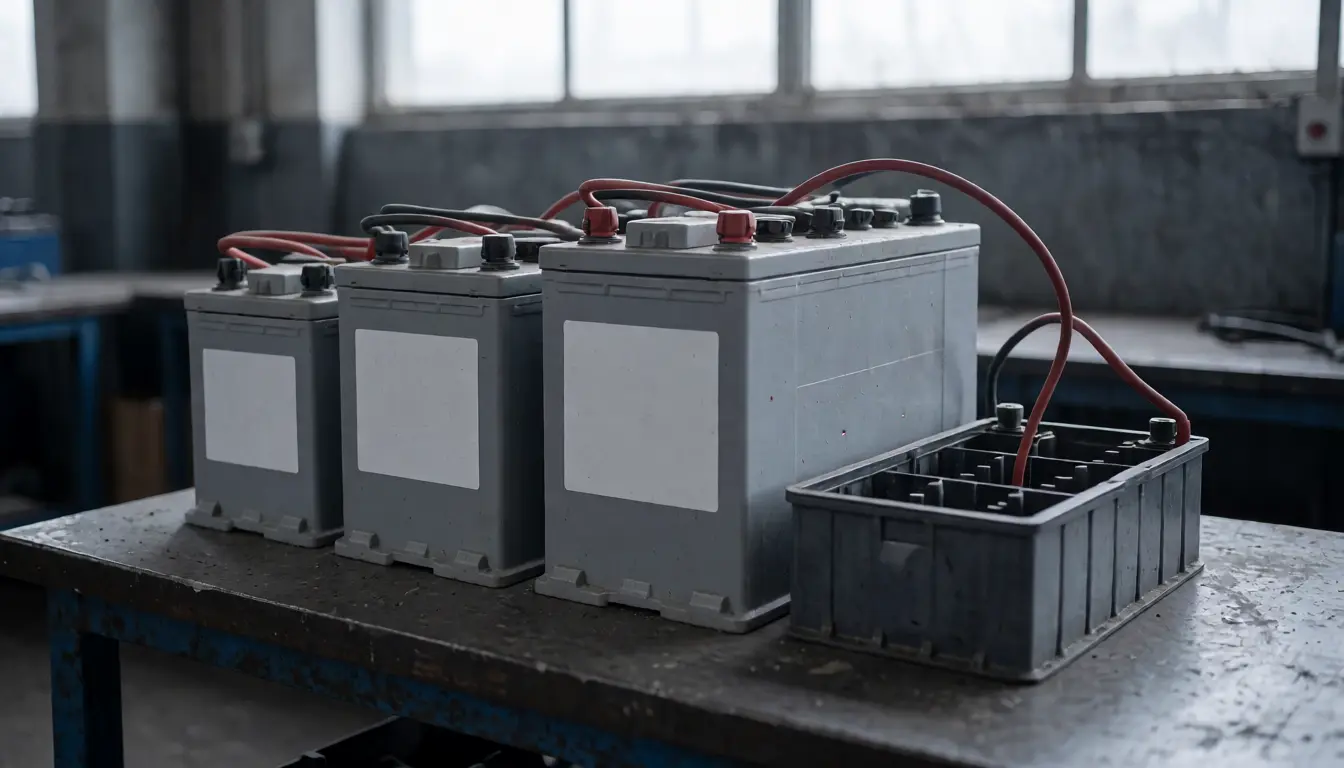
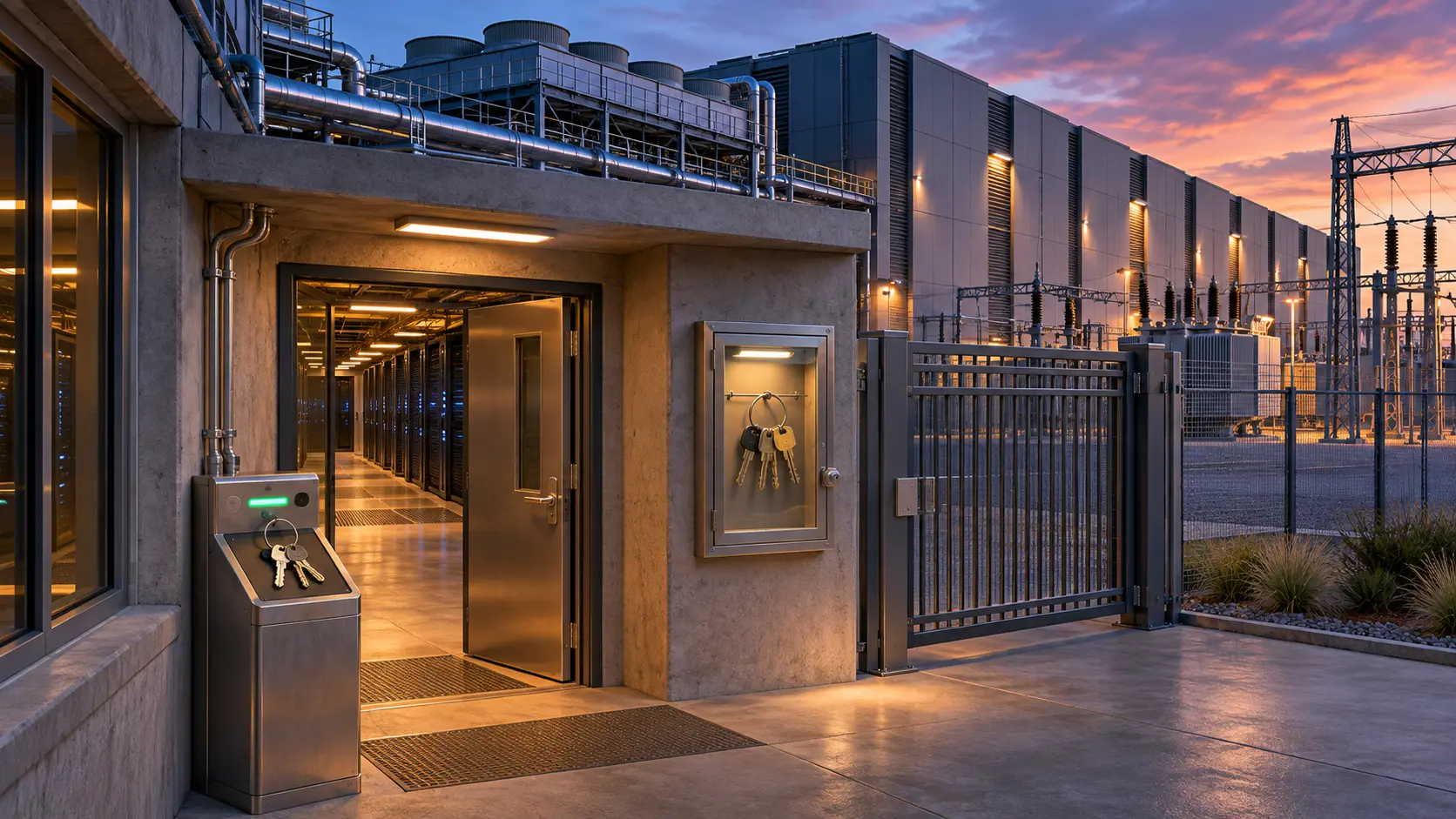
AI infrastructure is becoming supply-constrained even as capital spending accelerates. Hyperscalers can wire more money and reserve capacity earlier, but usable supply still depends on the unglamorous physical chain: power access, transformers, cooling systems, generators and construction labour. None of it scales on a software procurement cycle.
Who Wins When Supply Is the Constraint
That arithmetic strengthens three groups: operators with secured power, developers with executable sites, and suppliers sitting inside the electrical and cooling bottleneck. For operators it supports longer pre-leasing windows and firmer rents. For equipment makers, transformers and cooling components graduate from peripheral line items to the pressure points that set the schedule.
What to Watch in 2026
The single question for 2026: does $770bn of capex convert into operational megawatts? Watch North America most closely, where Jefferies estimates AI data centre power demand could approach 19 GW. The winners will be the ones who turn dollars into delivered capacity — not the ones who announce the biggest cheques.
The AI boom's binding constraint is no longer ambition or capital. It is the slow, physical grid — and whoever controls the megawatts controls the decade.
Signal Brief
- Signal: AI Wants 21 Gigawatts. The World Built 8.9.
- Region: Global
- Market Class: Global Datacenter Trends
Market Context
- The report frames AI infrastructure as a delivery-constrained market where power, cooling, equipment and labour bottlenecks can shape pricing, leasing and operator leverage.
- Operational relevance: High
- Time Horizon: Next quarter
Member Briefing
Read the full trend briefing
Members read the full briefing with the source notes behind every finding.
Strategic Circle
A daily briefing in your language, built from changes we have verified.
Join for USD 20/monthCancel anytime.
Members also get the full research library, a daily briefing on the networks they follow and the private forum.
Snapshot
Category
Global Datacenter TrendsPublishes market analysis on AI infrastructure, data centre capacity and hyperscaler capital expenditure
Region
GlobalContent Type
Signal BriefingPrimary Domain
MarketTopic
InfrastructureImpact
HighThe report frames AI infrastructure as a delivery-constrained market where power, cooling, equipment and labour bottlenecks can shape pricing, leasing and operator leverage.
Confidence
Good confidence (84%)Confidence score guide
Published reporting