
The history of Virtual Reality (VR) technology is tracked as a internet infrastructure institution within the internet infrastructure ecosystem.
The history of Virtual Reality (VR) technology has public-source relevance to network operations, governance, dependency mapping, or market structure.
The history of Virtual Reality (VR) technology is tracked as a internet infrastructure institution within the internet infrastructure ecosystem.
Public-source signals support medium-impact monitoring for infrastructure visibility and dependency analysis.
| 0.90–1.00 | A | High — direct sources |
| 0.75–0.89 | A/B | Strong |
| 0.55–0.74 | B/C | Medium |
| 0.35–0.54 | C/D | Weak–medium |
| 0.10–0.34 | D | Weak signal |
| 0.00–0.09 | D | Internal monitoring |
Several public sources
- 虚拟现实(VR)技术起源于科幻文学和电影中描绘的愿景概念,激励了早期先驱者探索沉浸式数字体验。
- VR技术的发展以重大里程碑为标志,从20世纪中期沉浸式环境的概念化,到21世纪面向消费者的VR设备的商业化。
- 除了游戏和娱乐,VR技术还在医疗、教育、建筑和制造等多个行业得到应用,彻底改变了我们模拟、培训、可视化和与数字环境交互的方式。
虚拟现实(VR)技术数十年来一直激发着人们的想象力,并拓展了人类体验的边界。最初只是科幻领域的梦想,如今已成为触手可及的现实,彻底改变了从游戏到医疗等众多行业。让我们一起踏上这段引人入胜的VR技术历史之旅,追溯其起源、里程碑以及对社会的变革性影响。
早期起步
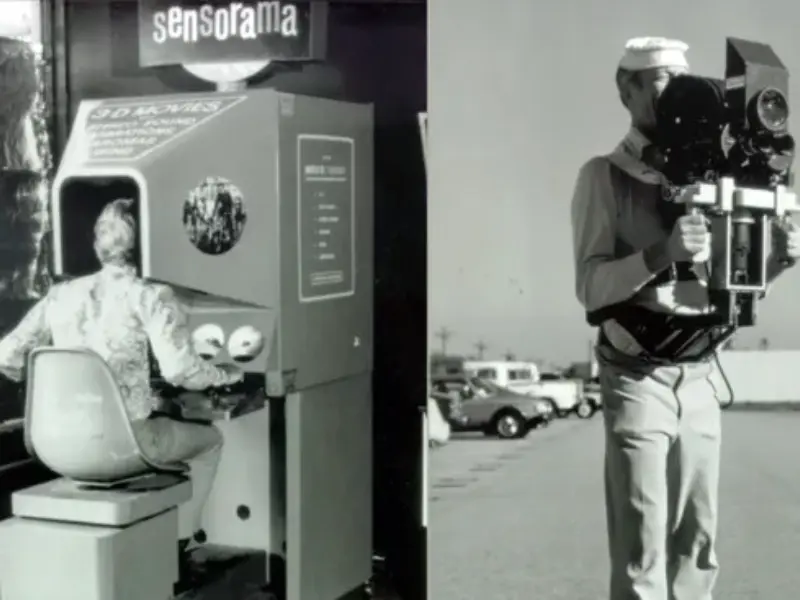
VR的根源可追溯到20世纪中期,当时像莫顿·海利希(Morton Heilig)这样的远见先驱在1950年代通过 Sensorama等设备构想了沉浸式体验。这些早期努力为沉浸式技术的发展奠定了基础,这些技术将重新定义我们与数字环境的交互方式。
计算机图形的兴起
20世纪70年代和80年代计算机图形的出现推动了VR技术的进一步发展。1968年伊万·萨瑟兰(Ivan Sutherland)的“达摩克利斯之剑”标志着一个重要的里程碑,展示了头戴式显示器(HMD)将用户沉浸在虚拟世界中的潜力。这一时期出现了像阿斯彭电影地图(Aspen Movie Map)和第一台VR街机这样的有影响力的平台,为面向消费者的VR体验铺平了道路。 另见: The history of Virtual Reality (VR) technology.
游戏与娱乐
20世纪90年代见证了VR技术的商业化,像世嘉和任天堂这样的公司向大众市场推出了VR游戏外设。尽管这些早期尝试面临技术限制和商业挑战,但它们点燃了人们对沉浸式游戏体验的兴趣,这些体验后来随着更先进的VR硬件和软件的发展而得以实现。
延伸阅读:Apple Vision Pro头显:全球扩展和先进的VR功能
21世纪的复兴
21世纪预示着VR技术的复兴,这得益于硬件、软件和内容创作方面的突破。2010年代Oculus Rift和HTC Vive等设备的推出将高保真VR体验带给了消费者,实现了前所未有的沉浸感和交互性。与此同时,移动技术的进步导致了像Google Cardboard和三星Gear VR这样易于获取的VR平台的普及,使VR体验向更广泛的受众民主化。 另见: Ziggo集团任命领导人,备战2027年阿姆斯特丹上市.
超越游戏
尽管游戏仍然是VR应用的基础,但该技术的潜力远远超出了娱乐。从医疗保健、教育到建筑和制造业,各行各业都将VR视为仿真、培训、可视化和治疗的强大工具。VR使医疗专业人员能够练习外科手术、教育工作者能够让学生沉浸于历史事件中、建筑师能够在虚拟环境中设计建筑、工程师能够制作产品原型,从而为创新与协作开启了新的可能性。 另见: Alejandro Estua.
延伸阅读:英国铁路网利用VR解决现实问题
未来展望
随着VR技术的不断发展,未来它在新的领域扩展的潜力是无限的。硬件小型化、触觉反馈、眼动追踪和人工智能的进步有望提高VR体验的保真度、沉浸感和真实性。此外,VR与增强现实(AR)和混合现实(MR)技术的融合将重新定义我们感知和与数字及物理世界交互的方式。 另见: 亚历杭德罗·曼佐.
VR技术的历史证明了人类的智慧、创新和想象力。从最初作为小众追求的卑微起步,到成为塑造我们工作、娱乐和联系方式的变革力量,VR已经超越了障碍,打开了通往新的可能性领域的大门。展望未来,有一件事是肯定的:VR的旅程远未结束,最精彩的篇章尚未到来。 另见: 亚历杭德罗·埃尔南德斯.
Domain of operation
The history of Virtual Reality (VR) technology is profiled by BTW Media because published evidence links it to internet infrastructure, governance, operational dependencies, or market visibility.
- Public role: The history of Virtual Reality (VR) technology is framed by the history of virtual reality (vr) technology is tracked as a internet infrastructure institution within the internet infrastructure ecosystem. and public technology context. Evidence basis: The history of Virtual Reality (VR) technology article record; The history of Virtual Reality (VR) technology article record
- Operating surface: Market and Europe and Middle East provide the public context for this institution profile. Evidence basis: The history of Virtual Reality (VR) technology article record; The history of Virtual Reality (VR) technology article record
Timeline
- The history of Virtual Reality (VR) technology public profile updated
Public coverage records The history of Virtual Reality (VR) technology as a subject for role, operating context, and evidence review.
At A Glance
- Name: The history of Virtual Reality (VR) technology
- Type: Internet infrastructure institution
- Base: Europe and Middle East
- Profile focus: Institution
What It Does
- Public records support monitoring of its role, services, and key relationships.
Why It Matters
- Public-source signals support medium-impact monitoring for infrastructure visibility and dependency analysis.
- Operational criticality: Medium
- Time horizon: Next quarter
What To Watch
- Monitoring focuses on verified service continuity, governance changes, and relationship signals.
Track verified source updates, role changes, and current public evidence.
Public-source signals support medium-impact monitoring for infrastructure visibility and dependency analysis.
Longer-term relevance depends on verified operating, policy, and relationship changes.
Member Briefing
Deeper Profile Context
Login is required to unlock the full profile briefing and source notes.
Only for Strategy Circle
Strategic Circle Access
Open to all readers. Unlock profile briefings after joining and logging in.
Join Strategic CircleOnly for Leadership Alliance
Leadership Alliance Access
For owners and management of IP-holding companies. Login required to unlock.
Join Leadership AlliancePublic View
The public read of The history of Virtual Reality (VR) technology is limited to visible role, operating context, and relationship evidence.
Watchpoints
- New public role, affiliation, product, policy, or market disclosures.
- Verified relationship changes involving named organizations or people.
Caveats
- Private or unverified claims are excluded from this public view.
FAQ
Why is The history of Virtual Reality (VR) technology included?
The history of Virtual Reality (VR) technology has public evidence that makes the institution relevant to BTW's coverage of digital infrastructure, governance, or markets.
What is public about this profile?
The public layer covers visible role, operating context, linked organizations, and evidence-backed watchpoints.
What should readers watch next?
Readers should watch for source-backed role changes, new partnerships, regulatory exposure, operating expansion, or evidence that changes the public assessment.


