
Apple develops its own AI chip, no longer relies on Nvidia is tracked as a internet infrastructure institution within the internet infrastructure ecosystem.
Apple develops its own AI chip, no longer relies on Nvidia has public-source relevance to network operations, governance, dependency mapping, or market structure.
Apple develops its own AI chip, no longer relies on Nvidia is tracked as a internet infrastructure institution within the internet infrastructure ecosystem.
Public-source signals support medium-impact monitoring for infrastructure visibility and dependency analysis.
| 0.90–1.00 | A | High — direct sources |
| 0.75–0.89 | A/B | Strong |
| 0.55–0.74 | B/C | Medium |
| 0.35–0.54 | C/D | Weak–medium |
| 0.10–0.34 | D | Weak signal |
| 0.00–0.09 | D | Internal monitoring |
多个公开来源
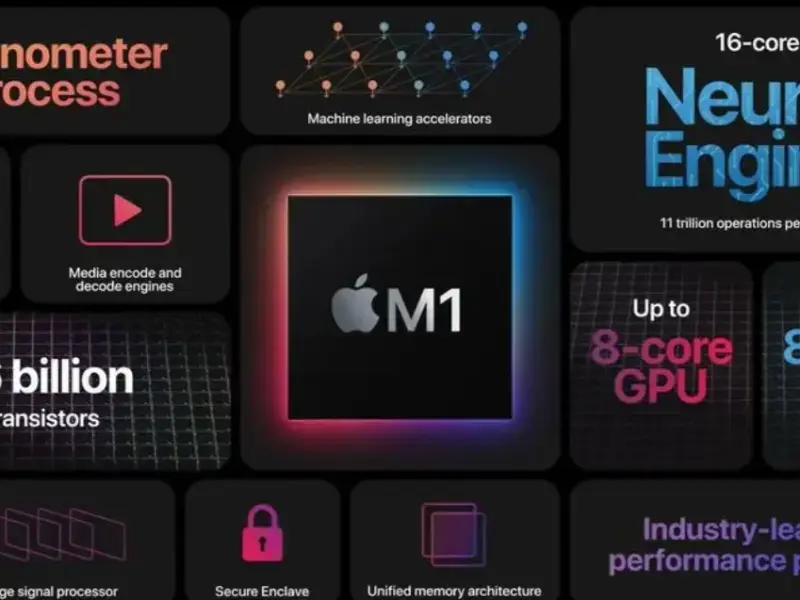
- 据报道,苹果正在研发用于在数据中心服务器上运行人工智能软件的自家芯片。
- 实际上垄断了人工智能芯片领域的英伟达,正面临越来越多的挑战。
- 与其他公司不同,苹果预计将在人工智能市场掀起巨大波澜。
苹果 据报道正在研发用于在数据中心服务器上运行人工智能软件的自家芯片。
苹果参战
由纳斯达克五大科技巨头引领的专有AI芯片开发竞争预计将加剧。英伟达,实际上垄断了人工智能芯片领域,但在维持其主导地位方面面临挑战。
据报道,作为其AI芯片开发项目的一部分,苹果多年来一直专注于开发AI芯片中心,《华尔街日报》 于5月6日报道。文章指出:“苹果将专注于AI模型的芯片将专门用于运行AI模型。”
另请阅读:英伟达与哪些芯片供应商合作?
英伟达的未来
随着产业生态向移动时代过渡,主要外国媒体也批评了英特尔自主研发芯片流向移动时代的案例。 另见: Ziggo集团任命领导人,备战2027年阿姆斯特丹上市.
英伟达在高度竞争的市场中运营,与AMD、英特尔和高通等老牌玩家以及AI芯片和数据中心解决方案等领域的新兴竞争者竞争。激烈的竞争可能导致价格战、利润率下降和市场份额损失。 另见: 能源公用事业公司(EUCL)有限公司.
另请阅读:英伟达的战略是什么?
随着大型科技公司日益主导销售,英伟达与其他五大科技巨头一起发挥着关键作用。它们下一代的人工智能系统,例如为大型语言模型提供动力的GPU,对于处理数据中心的庞大数据集至关重要。 另见: ByteOpt SLLC.
Domain of operation
Apple develops its own AI chip, no longer relies on Nvidia is profiled by BTW Media because published evidence links it to internet infrastructure, governance, operational dependencies, or market visibility.
- Public role: Apple develops its own AI chip, no longer relies on Nvidia is framed by apple develops its own ai chip, no longer relies on nvidia is tracked as a internet infrastructure institution within the internet infrastructure ecosystem. and public technology context. 证据基础: Apple develops its own AI chip, no longer relies on Nvidia article record; Apple develops its own AI chip, no longer relies on Nvidia article record
- Operating surface: Market and Global provide the public context for this institution profile. 证据基础: Apple develops its own AI chip, no longer relies on Nvidia article record; Apple develops its own AI chip, no longer relies on Nvidia article record
时间线
- Apple develops its own AI chip, no longer relies on Nvidia public profile updated
Public coverage records Apple develops its own AI chip, no longer relies on Nvidia as a subject for role, operating context, and evidence review.
概要
- 名称: Apple develops its own AI chip, no longer relies on Nvidia
- 类型: Internet infrastructure institution
- 所在地: Global
- 档案重点: Institution
功能说明
- 公开记录可用于跟踪其角色、服务和关键关系。
重要性
- Public-source signals support medium-impact monitoring for infrastructure visibility and dependency analysis.
- 运营关键性: Medium
- 时间范围: Next quarter
关注事项
- 监测重点是经核实的服务连续性、治理变化和关系信号。
跟踪经验证的来源更新、角色变化和当前公开证据。
Public-source signals support medium-impact monitoring for infrastructure visibility and dependency analysis.
长期相关性取决于经验证的运营、政策和关系变化。
会员简报
深度档案背景
登录后可解锁完整档案简报和来源说明。
公开视角
The public read of Apple develops its own AI chip, no longer relies on Nvidia is limited to visible role, operating context, and relationship evidence.
观察点
- New public role, affiliation, product, policy, or market disclosures.
- Verified relationship changes involving named organizations or people.
限制说明
- Private or unverified claims are excluded from this public view.
常见问题
Why is Apple develops its own AI chip, no longer relies on Nvidia included?
Apple develops its own AI chip, no longer relies on Nvidia has public evidence that makes the institution relevant to BTW's coverage of digital infrastructure, governance, or markets.
What is public about this profile?
The public layer covers visible role, operating context, linked organizations, and evidence-backed watchpoints.
What should readers watch next?
Readers should watch for source-backed role changes, new partnerships, regulatory exposure, operating expansion, or evidence that changes the public assessment.


