Institution Profiling / Institutional

What is IPv6 and What are Its Features?

What is IPv6 and What are Its Features? is tracked as a internet infrastructure institution within the internet infrastructure ecosystem.

What is IPv6 and What are Its Features?

Sources

Public references used for this article.

External references will appear here after editorial citation review.

CategoryInstitution

What is IPv6 and What are Its Features? is tracked as a internet infrastructure institution within the internet infrastructure ecosystem.

RegionAsia Pacific

What is IPv6 and What are Its Features? has public-source relevance to network operations, governance, dependency mapping, or market structure.

Signal FocusGovernance

What is IPv6 and What are Its Features? has public-source relevance to network operations, governance, dependency mapping, or market structure.

Content TypePROFILE

What is IPv6 and What are Its Features? is tracked as a internet infrastructure institution within the internet infrastructure ecosystem.

Primary DomainSecurity

Public-source signals support medium-impact monitoring for infrastructure visibility and dependency analysis.

ImpactMedium

Public-source signals support medium-impact monitoring for infrastructure visibility and dependency analysis.

Confidence?Confidence Grade
0.90–1.00AHigh — direct sources
0.75–0.89A/BStrong
0.55–0.74B/CMedium
0.35–0.54C/DWeak–medium
0.10–0.34DWeak signal
0.00–0.09DInternal monitoring
Limited confidence (80%)

Several public sources

  • IPv6克服了IPv4的地址限制,提供了340涧个独特地址。
  • 其特性,包括增强的安全性和可扩展性,正在塑造物联网和5G连接的未来。

互联网的骨干在于其协议,而IPv6作为一项突破性演进,解决了IPv4的缺陷。随着设备数量和互联技术的指数级增长,对先进、可扩展且安全的协议的需求变得至关重要。本文深入探讨IPv6的细节、其变革性功能以及在现代互联网基础设施中的关键作用。 另见: AfriNIC会员名册神秘消失.

什么是IPv6?

IPv6(互联网协议第6版)是互联网协议的最新版本,旨在解决其前身IPv4的局限性。IPv4使用32位地址系统,提供约43亿个唯一IP地址,但这个数字已不足以满足日益增长的设备和服务需求。IPv6采用128位地址系统,提供了几乎无限的地址数量——确切地说是340涧个地址。

IPv6的一个关键特性是其扩展的地址空间,使得每个设备,从智能手机到物联网设备,都能拥有自己唯一的地址。随着互联网的持续增长,数十亿设备需要连接,这一点至关重要。此外,IPv6相对于IPv4进行了一些改进,例如通过强制IPsec支持增强了安全性、提高了路由效率,并简化了网络配置。

IPv6还支持物联网(IoT)、5G网络和大规模云计算服务等先进技术。随着越来越多的组织和政府开始采用IPv6,它将在互联网的持续发展中发挥核心作用。然而,从IPv4到IPv6的过渡是渐进的,在许多地区,两种协议并行运行,因为企业和基础设施需要时间适应向IPv6的转变。

IPv6应用
IPv6应用

IPv6为什么重要?

迁移至IPv6不仅仅是一次技术升级——它是维持全球互联互通的必然要求。主要优势包括: 另见: AfriNIC 消失的成员登记册.

  1. 更大的地址空间:满足不断增长的设备需求,并消除了网络地址转换(NAT)的需要。
  2. 简化的网络配置无状态地址自动配置(SLAAC)使设备无需人工干预即可自行配置。
  3. 增强的安全性:内置的IPsec支持确保通信加密和强健的身份验证。
  4. 优化的路由:简化的报头降低了延迟并提高了性能。
IPv6
IPv6

另请阅读:IPv6是必需的吗?APNIC首席科学家质疑这一转变

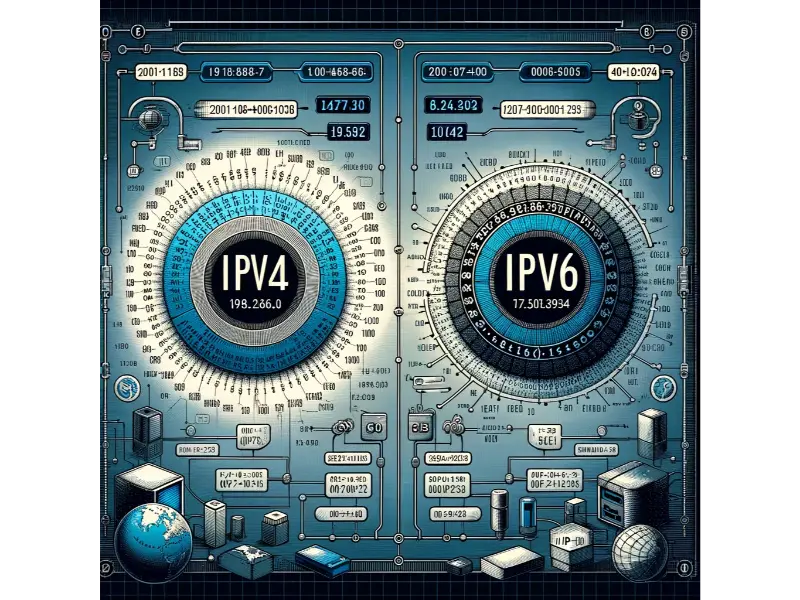
IPv4与IPv6:主要区别

虽然IPv4为互联网连接奠定了基础,但IPv6重新定义了可能性。以下是主要区别的详细说明: 另见: 亚历杭德罗·费尔南德斯.

  • 地址空间:IPv4支持43亿个地址,而IPv6提供340涧个地址。
  • 报头结构:IPv6简化了数据包报头,提高了效率。
  • 安全性:IPv6原生集成IPsec,而IPv4需要额外配置。
  • 兼容性:IPv6支持物联网和移动5G等先进技术。
文章图片

另请阅读:IPv4与IPv6:两种协议之间的区别是什么?

增强连接性的IPv6功能

  1. 128位寻址
    IPv6扩展的寻址系统使得地球上的每个设备都能拥有一个唯一地址,消除了IPv4中NAT的限制。
  2. 内置安全性
    通过强制实施IPsec,IPv6提供端到端加密和数据完整性。
  3. 自动配置
    SLAAC简化了将设备添加到网络的过程,这是物联网环境的一个基本功能。
  4. 更好的多播支持
    IPv6改进了多播,实现了向多个目的地同时高效传输数据。

另请阅读:IPv6的优势和应用场景

IPv6在物联网演进中的作用

物联网革命依赖于IPv6庞大的地址池和简化的网络。智能城市、家庭和工业依赖该协议实现无缝互联。IPv6实现了实时数据共享和高效的资源管理,这对智能电网和联网车辆等应用至关重要。 另见: 阿尔多·加西亚.

实例示范:
智能电网利用IPv6促进数百万个传感器之间的实时通信,确保高效的能源分配。 另见: Alcymer Vieira.

另请阅读:如何获取APNIC IPv6地址?

过渡挑战:从IPv4迁移到IPv6

尽管IPv6有许多好处,但其采用仍面临障碍: 另见: 阿尔西德斯·克雷莫内齐.

  • 兼容性:许多遗留系统是围绕IPv4构建的,需要进行重大更新。
  • 成本:为支持IPv6而过渡基础设施可能代价高昂。
  • 认知:组织往往缺乏对IPv6优势的了解。

向IPv6的过渡不仅仅是一次技术升级;它是满足物联网、5G和全球连接不断变化的需求的必然要求。 另见: 阿尔贝托·安纳亚.

John Curran,美国互联网号码注册机构(ARIN)总裁兼CEO

IPv6采用的未来

随着越来越多的国家和组织采用IPv6,该协议在以下关键领域的作用将扩大: 另见: 阿尔伯特·基斯.

  1. 5G网络:IPv6支持下一代移动网络的可扩展性和速度要求。
  2. 云计算:增强的安全性和可寻址性使IPv6成为云服务的理想选择。
  3. 网络安全:IPsec的集成有助于在日益互联的世界中对抗威胁。

IPv6不仅仅是一次协议升级;它是未来互联网的基础。

Alex Morgan,一家领先网络解决方案提供商的首席技术官

另请阅读:IPv6——无人急于迈出的重大转变

IPv6在塑造互联网未来中的作用

IPv6通过解决IPv4的局限性,特别是其有限的地址空间,在塑造互联网未来方面发挥着关键作用。随着互联网的持续扩展,每天都有更多的设备和技术接入,IPv6庞大的地址池确保了每个设备都能拥有唯一的IP地址。这支持了物联网(IoT)、5G网络和智能城市不断增长的需求。此外,IPv6增强的安全性、高效的路由和可扩展性使其成为下一代应用不可或缺的一部分,从而打造一个更安全、更高效、更互联的数字世界。

1. 什么是IPv6?

IPv6是互联网协议的第六版,旨在取代IPv4。它提供了大得多的地址空间,并集成了安全和自动配置等功能,使其适合现代互联网需求。

2. IPv6为什么重要?

IPv6解决了IPv4地址枯竭的问题,支持物联网,通过内置IPsec提高了安全性,并简化了网络配置,确保了未来的可扩展性和效率。

3. IPv6与IPv4有何不同?

主要区别包括更大的地址空间(IPv6为128位,IPv4为32位)、内置安全功能、更简单的数据包报头,以及对自动配置和先进技术的支持。

4. 采用IPv6面临哪些挑战?

挑战包括与遗留系统的兼容性、高昂的过渡成本,以及各组织对其优势缺乏认识。

5. IPv6如何影响物联网?

IPv6使物联网设备能够拥有唯一地址,促进智能系统(如城市、家庭和工业)中的无缝通信和可扩展性。

Domain of operation

What is IPv6 and What are Its Features? is profiled by BTW Media because published evidence links it to internet infrastructure, governance, operational dependencies, or market visibility.

  • Public role: What is IPv6 and What are Its Features? is framed by what is ipv6 and what are its features? is tracked as a internet infrastructure institution within the internet infrastructure ecosystem. and public security context. Evidence basis: What is IPv6 and What are Its Features? article record; What is IPv6 and What are Its Features? article record
  • Operating surface: Governance and Asia Pacific provide the public context for this institution profile. Evidence basis: What is IPv6 and What are Its Features? article record; What is IPv6 and What are Its Features? article record

Timeline

  1. What is IPv6 and What are Its Features? public profile updated

    Public coverage records What is IPv6 and What are Its Features? as a subject for role, operating context, and evidence review.

At A Glance

  • Name: What is IPv6 and What are Its Features?
  • Type: Internet infrastructure institution
  • Base: Asia Pacific
  • Profile focus: Institution

What It Does

  • Public records support monitoring of its role, services, and key relationships.

Why It Matters

  • Public-source signals support medium-impact monitoring for infrastructure visibility and dependency analysis.
  • Operational criticality: Medium
  • Time horizon: Next quarter

What To Watch

  • Monitoring focuses on verified service continuity, governance changes, and relationship signals.
NowMedium priority

Track verified source updates, role changes, and current public evidence.

QuarterMedium policy sensitivity

Public-source signals support medium-impact monitoring for infrastructure visibility and dependency analysis.

YearNext quarter outlook

Longer-term relevance depends on verified operating, policy, and relationship changes.

Member Briefing

Deeper Profile Context

Login is required to unlock the full profile briefing and source notes.

Only for Strategy Circle

Strategic Circle Access

Open to all readers. Unlock profile briefings after joining and logging in.

Join Strategic Circle

Only for Leadership Alliance

Leadership Alliance Access

For owners and management of IP-holding companies. Login required to unlock.

Join Leadership Alliance

Public View

The public read of What is IPv6 and What are Its Features? is limited to visible role, operating context, and relationship evidence.

Watchpoints

  • New public role, affiliation, product, policy, or market disclosures.
  • Verified relationship changes involving named organizations or people.

Caveats

  • Private or unverified claims are excluded from this public view.

FAQ

Why is What is IPv6 and What are Its Features? included?

What is IPv6 and What are Its Features? has public evidence that makes the institution relevant to BTW's coverage of digital infrastructure, governance, or markets.

What is public about this profile?

The public layer covers visible role, operating context, linked organizations, and evidence-backed watchpoints.

What should readers watch next?

Readers should watch for source-backed role changes, new partnerships, regulatory exposure, operating expansion, or evidence that changes the public assessment.

← BackAll Companies