
Close Menu
  • Leadership Alliance
  • Exclusives
  • History of the Internet
  • AFRINIC News
  • Internet Governance
    • Regulations
    • Governance Bodies
    • Emerging Tech
  • Others
    • IT Infrastructure
      • Networking
      • Cloud
      • Data Centres
    • Company Stories
      • Profile
      • Startups
      • Tech Titans
      • Partner Content
    • Fintech
      • Blockchain
      • Payments
      • Regulations
    • Tech Trends
      • AI
      • AR / VR
      • IoT
    • Video / Podcast
  • Country News
    • Africa
    • Asia Pacific
    • North America
    • Lat Am/Caribbean
    • Europe/Middle East
Facebook LinkedIn YouTube Instagram X (Twitter)
Blue Tech Wave Media
Facebook LinkedIn YouTube Instagram X (Twitter)
  • Leadership Alliance
  • Exclusives
  • History of the Internet
  • AFRINIC News
  • Internet Governance
    • Regulation
    • Governance Bodies
    • Emerging Tech
  • Others
    • IT Infrastructure
      • Networking
      • Cloud
      • Data Centres
    • Company Stories
      • Profiles
      • Startups
      • Tech Titans
      • Partner Content
    • Fintech
      • Blockchain
      • Payments
      • Regulation
    • Tech Trends
      • AI
      • AR/VR
      • IoT
    • Video / Podcast
  • Africa
  • Asia-Pacific
  • North America
  • Lat Am/Caribbean
  • Europe/Middle East
Blue Tech Wave Media
Home » The 2026 tech awakening physical AI sparks hype and anxiety
the-2026-tech-awakening-physical-ai-sparks-hype-and-anxiety
Data Centres

The 2026 tech awakening physical AI sparks hype and anxiety

By Claire ShenJanuary 9, 2026No Comments3 Mins Read
Share
Facebook Twitter LinkedIn Pinterest Email
  • Physical AI takes centre stage at CES, signalling a new phase of automation where machines act and interact in the physical world.
  • Industry optimism collides with job concerns, as the hype around robots and intelligent systems stokes debate about the future of human labour.

What happened: Tech’s real-world leap

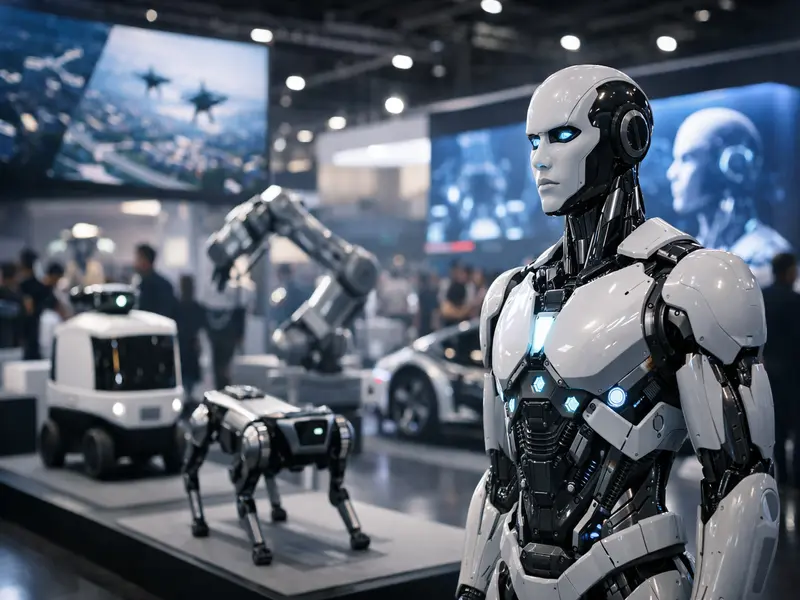
In the first week of 2026, “physical AI” — a term describing artificial intelligence that perceives, reasons and acts in the physical world — emerged as the dominant tech buzzword, especially at the Consumer Electronics Show (CES) in Las Vegas. Leading chip makers like Nvidia touted this concept as the next frontier of AI, emphasising systems such as autonomous robots, smart cameras and self-driving machines that bridge digital intelligence with physical tasks.

This marks a shift from last year’s focus on agentic and generative models, which captured attention by automating digital creativity and tasks. Nvidia’s CEO characterised physical AI as the moment when machines begin to “understand, reason and act in the real world”.

Major firms showcased humanoid robots and connected AI systems at CES, and industry voices predicted a rapid embrace of these technologies across sectors. UK semiconductor designer Arm explained that making AI work reliably outside controlled environments requires specialised silicon able to handle low-latency real-time processing.

Yet while advances impress, demonstrations often remain to some degree assisted by human control, suggesting we are still some distance from the fully autonomous machines often hyped in media and marketing.

Also Read: US faces political backlash over AI data centre electricity concerns
Also Read: stc, Humain and Center3 advance AI-ready data centre

Why it’s important

The growing emphasis on physical AI underscores how quickly the tech industry’s priorities are evolving. This shift could unlock new capabilities in logistics, manufacturing, repair and even healthcare. If telecoms and networking firms integrate these systems — potentially even tying them to future 6G connectivity — it could reshape how services are delivered.

However, this transformation isn’t just technical. Workers in sectors like manufacturing and logistics are already reporting that robots are being trained to take over routine tasks once performed by humans, raising questions about employment and economic adjustment in the years ahead.

To navigate this transition responsibly, stakeholders — from regulators to employers — will need to balance the promise of automation with safeguards for workers, including retraining and social support structures. While physical AI may drive business growth, it also accelerates debates about technology’s role in society, labour markets and the economy.

AI CES physical AI
Claire Shen

Related Posts

How ISPs can unlock hidden revenue streams through IP address monetization

January 9, 2026

Why IP addresses are critical digital capital for modern businesses

January 9, 2026

How RIR powerlessness impacts IPv4 scarcity and digital asset management

January 9, 2026
Add A Comment
Leave A Reply Cancel Reply

CATEGORIES
Archives
  • January 2026
  • December 2025
  • November 2025
  • October 2025
  • September 2025
  • August 2025
  • July 2025
  • June 2025
  • May 2025
  • April 2025
  • March 2025
  • February 2025
  • January 2025
  • December 2024
  • November 2024
  • October 2024
  • September 2024
  • August 2024
  • July 2024
  • June 2024
  • May 2024
  • April 2024
  • March 2024
  • February 2024
  • January 2024
  • December 2023
  • November 2023
  • October 2023
  • September 2023
  • August 2023
  • July 2023

Blue Tech Wave (BTW.Media) is a future-facing tech media brand delivering sharp insights, trendspotting, and bold storytelling across digital, social, and video. We translate complexity into clarity—so you’re always ahead of the curve.

BTW
  • About BTW
  • Contact Us
  • Join Our Team
  • About AFRINIC
  • History of the Internet
TERMS
  • Privacy Policy
  • Cookie Policy
  • Terms of Use
Facebook X (Twitter) Instagram YouTube LinkedIn
BTW.MEDIA is proudly owned by LARUS Ltd.

Type above and press Enter to search. Press Esc to cancel.