- US regulator to host national safety forum with executives from Waymo, Zoox and Aurora
- Meeting aims to balance faster robotaxi deployment with stronger oversight
What happened
The United States’ top auto safety regulator will convene a national forum on autonomous vehicle safety, bringing together senior executives from leading self-driving companies, according to Reuters.
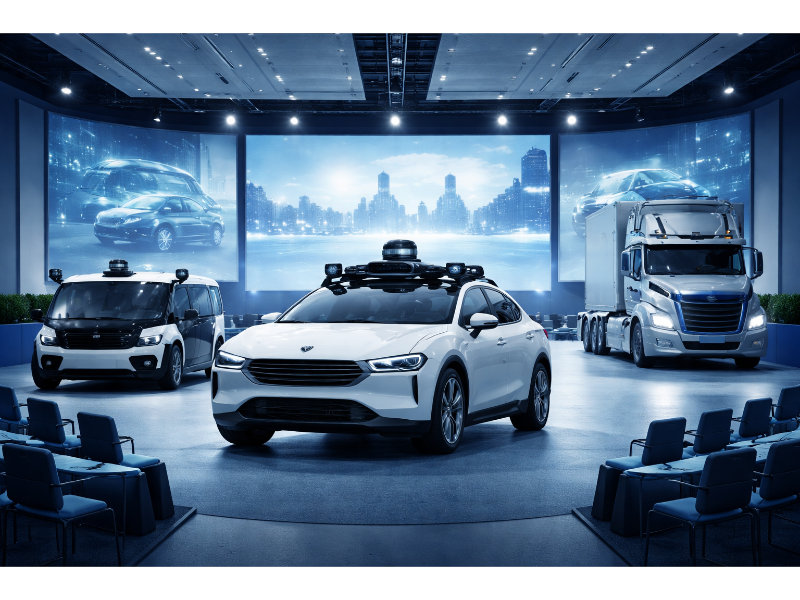
The National Highway Traffic Safety Administration (NHTSA) said it will hold a day-long safety forum in Washington with the chief executives of Waymo, Zoox, and Aurora Innovation. The discussion will include Tekedra Mawakana, co-CEO of Waymo, Aicha Evans, CEO of Zoox, and Chris Urmson, CEO of Aurora.
Officials say the meeting comes as policymakers seek ways to accelerate robotaxi deployment while addressing regulatory and safety concerns surrounding autonomous vehicles.
NHTSA is reviewing potential measures that could guide the safe development, testing and deployment of self-driving technology in the United States.
The forum will also examine the role of remote assistance in robotaxi operations, a system in which human staff can provide guidance to autonomous vehicles in complex situations.
Also read: Waymo begins fully autonomous robotaxi service in Nashville
Also read: Waymo’s $16 billion funding push highlights strong support for autonomous driving
Why this is important
The meeting reflects a turning point for the autonomous vehicle sector as companies move from limited pilot programmes to wider commercial deployment.
Robotaxi operators are expanding services in several US cities. For example, Waymo already offers paid driverless rides in multiple locations and has logged hundreds of millions of autonomous miles, making it one of the most advanced operators in the sector.
However, regulators remain cautious. Safety incidents and public concerns have slowed progress in the past, leading authorities to scrutinise testing standards, operational design and reporting requirements.
At the same time, policymakers face pressure from industry leaders and lawmakers who argue that the United States risks falling behind global competitors in autonomous driving. Recent discussions in Congress highlighted concerns that countries such as China could dominate future standards and markets if US regulations remain slow to evolve.
The NHTSA forum therefore signals an attempt to align regulators and industry leaders on how autonomous vehicles should scale safely.
Decisions emerging from such discussions could shape future federal guidance, influencing how robotaxis operate, how companies test new systems, and how quickly fully driverless services reach the public. For consumers, these regulatory choices will determine both the pace of innovation and the safeguards surrounding one of the most transformative technologies in transport.
