
Why is it called internet of things? is tracked as a internet infrastructure institution within the internet infrastructure ecosystem.
Why is it called internet of things? has public-source relevance to network operations, governance, dependency mapping, or market structure.
Why is it called internet of things? is tracked as a internet infrastructure institution within the internet infrastructure ecosystem.
Public-source signals support medium-impact monitoring for infrastructure visibility and dependency analysis.
| 0.90–1.00 | A | High — direct sources |
| 0.75–0.89 | A/B | Strong |
| 0.55–0.74 | B/C | Medium |
| 0.35–0.54 | C/D | Weak–medium |
| 0.10–0.34 | D | Weak signal |
| 0.00–0.09 | D | Internal monitoring |
多个公开来源
- 麦肯锡公司将物联网定义为通过有线和无线网络连接物理对象中的传感器和执行器。
- 物联网一词源于凯文·阿什顿1999年的演讲,该演讲强调了RFID技术在当时盛行的互联网框架中的潜力。
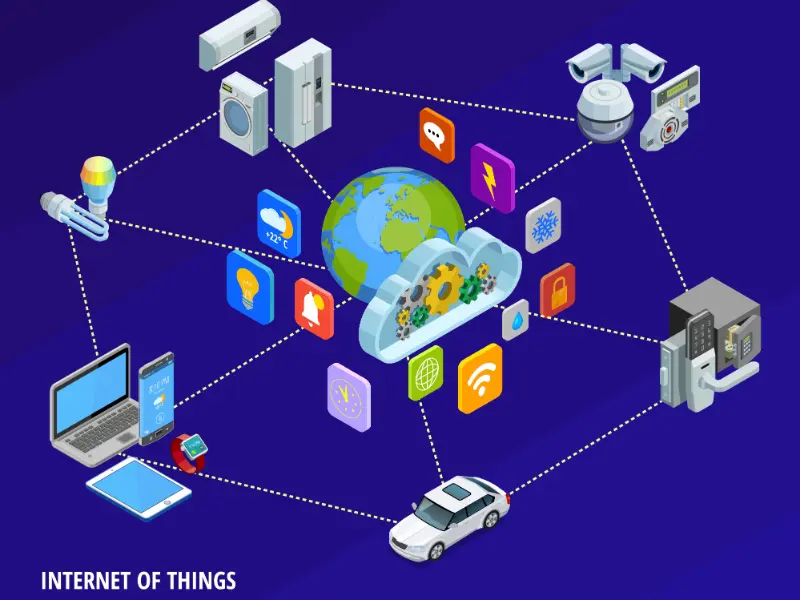
- 物联网已从概念变为日常现实,融入生活的各个方面,从智能家居到工业和医疗领域。
你是否想过,为什么互联网连接设备的普及也被称为“物联网(IoT)”? 另见: Ziggo集团任命领导人,备战2027年阿姆斯特丹上市.
全球管理咨询公司麦肯锡解释道:“嵌入在物理对象中的传感器和执行器通过有线和无线网络连接,通常使用连接互联网的同一互联网协议(IP)。”
这一定义引发了一个有趣的问题:如果物联网本质上并不属于我们通常理解的互联网,那么为什么它被称为物联网呢? 另见: Alejandro Estua.
物联网的起源
互联设备的概念已经存在了相当长的时间,至少可以追溯到20世纪70年代。当时,它通常被称为普适计算或嵌入式互联网。 另见: 亚历杭德罗·曼佐.
然而,“物联网”一词是由凯文·阿什顿在1999年于宝洁公司工作时创造的。 另见: 亚历杭德罗·埃尔南德斯.
阿什顿是供应链优化方面的专家,他的目的是吸引高层管理人员对一种当时创新的技术——射频识别(RFID)的关注。他将演讲命名为“物联网”,因为在1999年,互联网是最新潮、最受热议的现象,这个术语既贴切又能引起共鸣。 另见: 亚历杭德罗·加尔萨.
另请阅读:互联网是如何开始的?
物联网获得发展势头
2010年夏天,物联网的概念开始获得势头。有报道称,谷歌的街景服务在收集360度图像的同时,还收集了人们WiFi网络的大量数据。这引发了关于这是否标志着谷歌开始采取同时索引物理世界和互联网的新策略的辩论。 另见: Alejandro Guerrero.
同年,中国政府表示将把物联网作为其五年规划中的战略优先事项。 另见: Alec Gramont.
2011年,以发明“新兴技术炒作周期”而闻名的市场研究公司Gartner在其名单中添加了一个新的新兴现象:“物联网”。与此同时,《福布斯》、《快公司》和《连线》等热门科技杂志开始将IoT作为词汇来描述这一现象。 另见: AI芯片通胀:设备制造商受挤压,影响超越数据中心.
另请阅读:非洲的互联网基础设施能应对未来吗?
全球市场情报公司IDC在2013年发布报告,预测到2020年物联网将成为价值8.9万亿美元的市场。
2014年1月,当谷歌宣布以32亿美元收购Nest时,大众对物联网这一术语的认知度激增。
物联网成为日常生活
物联网已演变为一个利用多种技术的系统,包括无线通信、嵌入式系统、微机电系统(MEMS)和互联网。
这涵盖了广泛的应用,包括手机、楼宇维护,甚至飞机喷气发动机。物联网设备还包括医疗设备,如植入式心脏监测器和用于农场动物的生物芯片应答器,使它们能够通过网络传输数据。
Domain of operation
Why is it called internet of things? is profiled by BTW Media because published evidence links it to internet infrastructure, governance, operational dependencies, or market visibility.
- Public role: Why is it called internet of things? is framed by why is it called internet of things? is tracked as a internet infrastructure institution within the internet infrastructure ecosystem. and public technology context. 证据基础: Why is it called internet of things? article record; Why is it called internet of things? article record
- Operating surface: Market and Africa provide the public context for this institution profile. 证据基础: Why is it called internet of things? article record; Why is it called internet of things? article record
时间线
- Why is it called internet of things? public profile updated
Public coverage records Why is it called internet of things? as a subject for role, operating context, and evidence review.
概要
- 名称: Why is it called internet of things?
- 类型: Internet infrastructure institution
- 所在地: Africa
- 档案重点: Institution
功能说明
- 公开记录可用于跟踪其角色、服务和关键关系。
重要性
- Public-source signals support medium-impact monitoring for infrastructure visibility and dependency analysis.
- 运营关键性: Medium
- 时间范围: Next quarter
关注事项
- 监测重点是经核实的服务连续性、治理变化和关系信号。
跟踪经验证的来源更新、角色变化和当前公开证据。
Public-source signals support medium-impact monitoring for infrastructure visibility and dependency analysis.
长期相关性取决于经验证的运营、政策和关系变化。
会员简报
深度档案背景
登录后可解锁完整档案简报和来源说明。
公开视角
The public read of Why is it called internet of things? is limited to visible role, operating context, and relationship evidence.
观察点
- New public role, affiliation, product, policy, or market disclosures.
- Verified relationship changes involving named organizations or people.
限制说明
- Private or unverified claims are excluded from this public view.
常见问题
Why is Why is it called internet of things? included?
Why is it called internet of things? has public evidence that makes the institution relevant to BTW's coverage of digital infrastructure, governance, or markets.
What is public about this profile?
The public layer covers visible role, operating context, linked organizations, and evidence-backed watchpoints.
What should readers watch next?
Readers should watch for source-backed role changes, new partnerships, regulatory exposure, operating expansion, or evidence that changes the public assessment.


