
Institution Profiling / Case File

RADAR technology: Shaping the future of autonomous vehicles

RADAR technology: Shaping the future of autonomous vehicles is tracked as a internet infrastructure institution within the internet infrastructure ecosystem.

RADAR technology: Shaping the future of autonomous vehicles

Sources

Public references used for this article.

External references will appear here after editorial citation review.

CategoryInstitution

RADAR technology: Shaping the future of autonomous vehicles is tracked as a internet infrastructure institution within the internet infrastructure ecosystem.

RegionAsia Pacific

RADAR technology: Shaping the future of autonomous vehicles has public-source relevance to network operations, governance, dependency mapping, or market structure.

Signal FocusGovernance

RADAR technology: Shaping the future of autonomous vehicles has public-source relevance to network operations, governance, dependency mapping, or market structure.

Content TypePROFILE

RADAR technology: Shaping the future of autonomous vehicles is tracked as a internet infrastructure institution within the internet infrastructure ecosystem.

Primary DomainGovernance

Public-source signals support medium-impact monitoring for infrastructure visibility and dependency analysis.

ImpactMedium

Public-source signals support medium-impact monitoring for infrastructure visibility and dependency analysis.

Confidence?Confidence Grade
0.90–1.00AHigh — direct sources
0.75–0.89A/BStrong
0.55–0.74B/CMedium
0.35–0.54C/DWeak–medium
0.10–0.34DWeak signal
0.00–0.09DInternal monitoring
Limited confidence (80%)

Several public sources

  • 自动驾驶汽车是一种智能汽车,使计算机能够在没有人类主动操作的情况下自动安全地驾驶汽车。
  • 自动驾驶汽车依赖大量传感器进行导航。在大多数自动驾驶汽车中,摄像头、激光雷达和雷达的组合构成了主要的传感器组,提供成像、检测、测距、跟踪和感知驾驶位置的功能,以实现无缝驾驶。
  • 自动驾驶汽车中使用的雷达有两种类型:脉冲雷达和FMCW雷达。

汽车公司正专注于研发用于导航的多种传感器。摄像头、激光雷达和雷达协同工作,构成主要的传感器组,提供成像、检测、测距、跟踪和感知驾驶位置的功能,以实现无缝驾驶。 另见: RADAR technology: Shaping the future of autonomous vehicles.

雷达技术在自动驾驶汽车中发挥着关键作用,提供可靠且准确的环境感知、远距离探测、冗余、自适应巡航控制和防撞功能。 另见: FCC 以许可限制支持光纤建设者.

蓬勃发展的自动驾驶汽车产业

自动驾驶汽车(AV),也称为无人驾驶汽车、自动驾驶轿车、计算机驱动汽车、轮式移动机器人或无人驾驶出租车,是一种智能汽车,依靠人工智能、视觉计算、雷达、监控设备和全球定位系统协同工作,使计算机能够在没有人类主动操作的情况下自动安全地驾驶汽车。 另见: Ofcom 揭露英国铁路移动覆盖差距.

自动驾驶汽车是一种通过计算机系统实现无人驾驶的智能汽车,部分或完全取代人类驾驶员,在将车辆从起点导航到终点的过程中避开道路危险并响应交通状况。自动驾驶汽车将对交通、城市规划和环境保护产生深远影响。 另见: 罗伯特·纽沃斯.

另请参阅:为什么自动驾驶汽车需要5G?

高级驾驶辅助系统(ADAS)的实验至少可以追溯到20世纪20年代。第一个ADAS系统是由Ralph Teetor于1948年发明的巡航控制系统。第一辆半自动驾驶汽车于1977年由日本筑波的机械工程实验室开发。谷歌无人驾驶汽车于2012年5月获得了美国第一张自动驾驶汽车牌照。

在技术进步、法规发展、行业合作以及增强消费者信任和接受度的努力推动下,自动驾驶汽车市场正在迅速发展。持续的创新、合作和清晰的法规将塑造自动驾驶技术的未来增长和采用。 另见: 欧盟重写人工智能基础设施主权规则.

目前,与传统汽车相比,自动驾驶汽车的市场份额仍然相对较小,但有几家公司处于开发自动驾驶汽车和塑造交通未来的前沿。自动驾驶汽车市场充满活力,新的参与者和创新不断塑造其格局。 另见: 欧盟限制美国卫星运营商接入频谱.

Waymo被广泛认为是自动驾驶汽车技术的领导者。Waymo前身是谷歌的一个项目,专注于结合传感器、人工智能算法和广泛的实际测试来开发全自动驾驶系统。他们已经推出了商业自动驾驶叫车服务,并正在努力将自动驾驶汽车能力扩展到各种车辆平台。 另见: FCC 要求美国海底电缆登陆须获许可.

特斯拉也在自动驾驶技术上投入巨资。其Autopilot系统提供先进的驾驶辅助功能,并不断向全自动驾驶能力发展。特斯拉从旗下车辆收集大量数据,以改进人工智能算法并提高安全性和自主性。

文章图片
埃隆·马斯克在2015年Model X发布会上从一辆特斯拉车上走下来。

Cruise被通用汽车(GM)收购后,成为自动驾驶汽车行业的重要参与者。他们专注于开发用于网约车和送货服务的全自动驾驶汽车。Cruise已获得大量投资和合作伙伴关系,将自己定位为自动驾驶汽车市场的关键竞争者。

尽管不是传统的汽车公司,英伟达(NVIDIA)是为自动驾驶汽车提供人工智能硬件和软件解决方案的关键参与者。其平台(如NVIDIA DRIVE)为众多制造商和开发人员提供自动驾驶系统支持。英伟达的技术对于增强自动驾驶汽车的感知、决策和计算能力不可或缺。

雷达技术在自动驾驶汽车中的应用

该行业见证了从人为驾驶汽车向自动驾驶或无人驾驶汽车的转变。由于自动驾驶汽车依赖大量传感器进行导航,汽车公司正专注于传感器技术的研发。

在传感器的帮助下,自动驾驶汽车确保驾驶时无需人为干预。自动驾驶汽车使用多种传感器来建立可靠的视觉。传感器帮助自动驾驶车辆检测行驶环境中的障碍物或阻塞,并在不发生致命事故的情况下行驶。

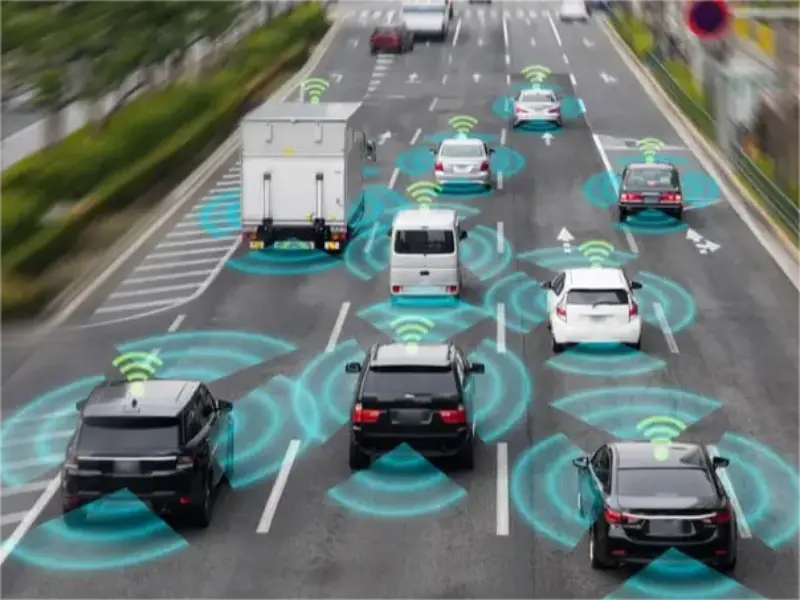
不同的传感器共同作用,在自动驾驶汽车中形成精确的检测系统。在大多数自动驾驶汽车中,摄像头、激光雷达(光检测与测距)和雷达(无线电检测与测距)的组合构成主要传感器组,提供成像、检测、测距、跟踪和感知驾驶位置的功能,实现无缝驾驶。

这些传感器功能相互重叠,有助于检测附近物体的三维形状、距离和速度。

激光雷达和雷达的工作原理相同。激光雷达使用激光束(光波)来确定两个物体之间的距离。与激光雷达使用的光波不同,雷达依赖于无线电波。无线电波从障碍物返回设备所需的时间用于计算自动驾驶汽车周围障碍物的距离、角度和速度。

另请参阅:自动驾驶汽车如何工作?

自动驾驶汽车中的雷达工作在24、74、77和79 GHz频率,分别对应短程雷达(SRR)、中程雷达(MRR)和远程雷达(LRR)。它们各自的功能略有不同:

SRR技术在自动驾驶汽车中实现盲点监测、车道保持辅助和泊车辅助。

当障碍物检测范围为100-150米且波束角在30°至160°之间变化时,使用MRR传感器。SRR技术在自动驾驶汽车中实现盲点监测、车道保持辅助和泊车辅助。

自动距离控制和制动辅助由LRR雷达传感器支持。

自动驾驶汽车中的雷达技术使用毫米波工作,可提供毫米级精度。在自动驾驶汽车雷达中利用毫米波,可确保障碍物检测的高分辨率以及位置和运动确定达到厘米级精度。与自动驾驶汽车中的其他传感器技术相比,雷达在阴天、雪、雨和雾等低能见度条件下工作可靠。

自动驾驶汽车中使用的雷达类型

自动驾驶汽车中使用的雷达有两种类型:脉冲雷达和FMCW雷达。

在脉冲雷达中,设备发射一个脉冲,信号频率在整个操作过程中保持不变。在FMCW雷达中,脉冲连续发射。整个操作过程中脉冲被调制,频率随传输时间变化。

由于FMCW雷达在距离和深度感知方面的高分辨率,它在自动驾驶汽车中占主导地位。汽车制造商的广泛研究将继续开发脉冲和FMCW雷达的先进变体。Cadence软件提供仿真工具,用于开发端到端雷达系统,不仅适用于自动驾驶汽车,还适用于航空航天、国防和商业应用。

Domain of operation

RADAR technology: Shaping the future of autonomous vehicles is profiled by BTW Media because published evidence links it to internet infrastructure, governance, operational dependencies, or market visibility.

  • Public role: RADAR technology: Shaping the future of autonomous vehicles is framed by radar technology: shaping the future of autonomous vehicles is tracked as a internet infrastructure institution within the internet infrastructure ecosystem. and public governance context. Evidence basis: RADAR technology: Shaping the future of autonomous vehicles article record; RADAR technology: Shaping the future of autonomous vehicles article record
  • Operating surface: Governance and Asia Pacific provide the public context for this institution profile. Evidence basis: RADAR technology: Shaping the future of autonomous vehicles article record; RADAR technology: Shaping the future of autonomous vehicles article record

Timeline

  1. RADAR technology: Shaping the future of autonomous vehicles public profile updated

    Public coverage records RADAR technology: Shaping the future of autonomous vehicles as a subject for role, operating context, and evidence review.

At A Glance

  • Name: RADAR technology: Shaping the future of autonomous vehicles
  • Type: Internet infrastructure institution
  • Base: Asia Pacific
  • Profile focus: Institution

What It Does

  • Public records support monitoring of its role, services, and key relationships.

Why It Matters

  • Public-source signals support medium-impact monitoring for infrastructure visibility and dependency analysis.
  • Operational criticality: Medium
  • Time horizon: Next quarter

What To Watch

  • Monitoring focuses on verified service continuity, governance changes, and relationship signals.
NowMedium priority

Track verified source updates, role changes, and current public evidence.

QuarterMedium policy sensitivity

Public-source signals support medium-impact monitoring for infrastructure visibility and dependency analysis.

YearNext quarter outlook

Longer-term relevance depends on verified operating, policy, and relationship changes.

Member Briefing

Deeper Profile Context

Login is required to unlock the full profile briefing and source notes.

Only for Strategy Circle

Strategic Circle Access

Open to all readers. Unlock profile briefings after joining and logging in.

Join Strategic Circle

Only for Leadership Alliance

Leadership Alliance Access

For owners and management of IP-holding companies. Login required to unlock.

Join Leadership Alliance

Public View

The public read of RADAR technology: Shaping the future of autonomous vehicles is limited to visible role, operating context, and relationship evidence.

Watchpoints

  • New public role, affiliation, product, policy, or market disclosures.
  • Verified relationship changes involving named organizations or people.

Caveats

  • Private or unverified claims are excluded from this public view.

FAQ

Why is RADAR technology: Shaping the future of autonomous vehicles included?

RADAR technology: Shaping the future of autonomous vehicles has public evidence that makes the institution relevant to BTW's coverage of digital infrastructure, governance, or markets.

What is public about this profile?

The public layer covers visible role, operating context, linked organizations, and evidence-backed watchpoints.

What should readers watch next?

Readers should watch for source-backed role changes, new partnerships, regulatory exposure, operating expansion, or evidence that changes the public assessment.

← BackAll Companies