
Close Menu
  • Home
  • Leadership Alliance
  • Exclusives
  • History of the Internet
  • AFRINIC News
  • Internet Governance
    • Regulations
    • Governance Bodies
    • Emerging Tech
  • Others
    • IT Infrastructure
      • Networking
      • Cloud
      • Data Centres
    • Company Stories
      • Profile
      • Startups
      • Tech Titans
      • Partner Content
    • Fintech
      • Blockchain
      • Payments
      • Regulations
    • Tech Trends
      • AI
      • AR / VR
      • IoT
    • Video / Podcast
  • Country News
    • Africa
    • Asia Pacific
    • North America
    • Lat Am/Caribbean
    • Europe/Middle East
Facebook LinkedIn YouTube Instagram X (Twitter)
Blue Tech Wave Media
Facebook LinkedIn YouTube Instagram X (Twitter)
  • Home
  • Leadership Alliance
  • Exclusives
  • History of the Internet
  • AFRINIC News
  • Internet Governance
    • Regulation
    • Governance Bodies
    • Emerging Tech
  • Others
    • IT Infrastructure
      • Networking
      • Cloud
      • Data Centres
    • Company Stories
      • Profiles
      • Startups
      • Tech Titans
      • Partner Content
    • Fintech
      • Blockchain
      • Payments
      • Regulation
    • Tech Trends
      • AI
      • AR/VR
      • IoT
    • Video / Podcast
  • Africa
  • Asia-Pacific
  • North America
  • Lat Am/Caribbean
  • Europe/Middle East
Blue Tech Wave Media
Home » Quest 3 Gets FCC Cert, Headset May Support 6GHz
btw-media
Products

Quest 3 Gets FCC Cert, Headset May Support 6GHz

By Ivy WuAugust 8, 2023Updated:October 11, 2023No Comments2 Mins Read
Share
Facebook Twitter LinkedIn Pinterest Email

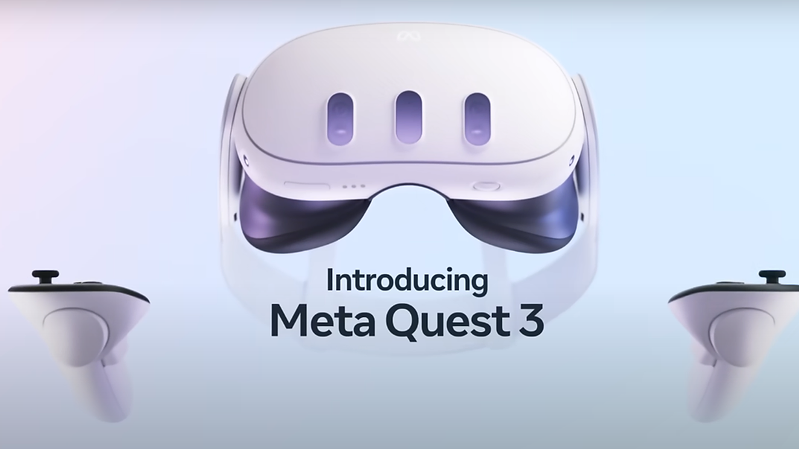
The highly anticipated Quest 3, the latest virtual reality headset from Oculus, has recently achieved FCC certification. This landmark achievement assures consumers that the device complies with Federal Communications Commission standards for electromagnetic interference and radio frequency emissions.

With this certification, Oculus ensures that Quest 3 meets stringent safety and performance requirements, making it a reliable and trustworthy choice for VR enthusiasts.

One notable aspect of the FCC certification is its indication that the Quest 3 may support 6GHz frequencies. This development holds immense potential, as it could pave the way for enhanced wireless performance and an even more immersive virtual reality experience.

By supporting these higher frequencies, users may enjoy reduced latency and improved connectivity, resulting in smoother gameplay and more seamless interactions.

Understanding The Importance Of FCC Certification For Quest 3

An FCC certification means that a device meets specific standards set by the Federal Communications Commission (FCC). In the case of Quest 3, obtaining FCC certification is a crucial milestone.

By obtaining FCC certification, Quest 3 demonstrates its adherence to stringent guidelines that ensure optimal performance and safety for users.

The certification process involves rigorous testing and evaluation, encompassing various aspects such as wireless communication protocols, electrical safety, and product labelling.

For potential buyers, FCC certification provides peace of mind knowing that their investment in Quest 3 meets regulatory requirements. It also signifies that the device has minimal potential interference or health hazards.

Exploring The Enhanced Connectivity Options Of Quest 3

Quest 3 boasts enhanced connectivity options with its potential support for 6GHz frequencies. This advancement opens up exciting possibilities for wireless communication, offering faster data transfer rates and reducing latency.

With 6GHz compatibility, users can expect improved multiplayer experiences, smoother streaming capabilities, and enhanced online connectivity.

The integration of this cutting-edge technology in the Quest 3 empowers users to fully immerse themselves in virtual environments without worrying about connection issues.

This new frequency band could bring significant benefits to the headset, revolutionising the virtual reality (VR) experience. Firstly, supporting 6GHz would result in improved network performance.

This means smoother gameplay, seamless streaming, and enhanced multiplayer experiences on the Quest 3. Moreover, by utilising this less crowded frequency band, users can expect less interference from other devices operating on common frequencies like 2.4GHz or even existing 5GHz networks. This reduction in interference would lead to more stable connections and a more reliable VR experience overall.

Electronics Product
Ivy Wu

Ivy Wu was a media reporter at btw media. She graduated from Korea University with a major in media and communication, and has rich experience in reporting and news writing.

Related Posts

Elon Musk hints at ‘unforgettable’ Tesla flying car debut

November 18, 2025

Samsung honoured for AI and security breakthroughs at CES 2026

November 6, 2025

Apple reveals ultra-thin iPhone Air, half-foldable hint

September 11, 2025
Add A Comment
Leave A Reply Cancel Reply

CATEGORIES
Archives
  • December 2025
  • November 2025
  • October 2025
  • September 2025
  • August 2025
  • July 2025
  • June 2025
  • May 2025
  • April 2025
  • March 2025
  • February 2025
  • January 2025
  • December 2024
  • November 2024
  • October 2024
  • September 2024
  • August 2024
  • July 2024
  • June 2024
  • May 2024
  • April 2024
  • March 2024
  • February 2024
  • January 2024
  • December 2023
  • November 2023
  • October 2023
  • September 2023
  • August 2023
  • July 2023

Blue Tech Wave (BTW.Media) is a future-facing tech media brand delivering sharp insights, trendspotting, and bold storytelling across digital, social, and video. We translate complexity into clarity—so you’re always ahead of the curve.

BTW
  • About BTW
  • Contact Us
  • Join Our Team
  • About AFRINIC
  • History of the Internet
TERMS
  • Privacy Policy
  • Cookie Policy
  • Terms of Use
Facebook X (Twitter) Instagram YouTube LinkedIn
BTW.MEDIA is proudly owned by LARUS Ltd.

Type above and press Enter to search. Press Esc to cancel.