
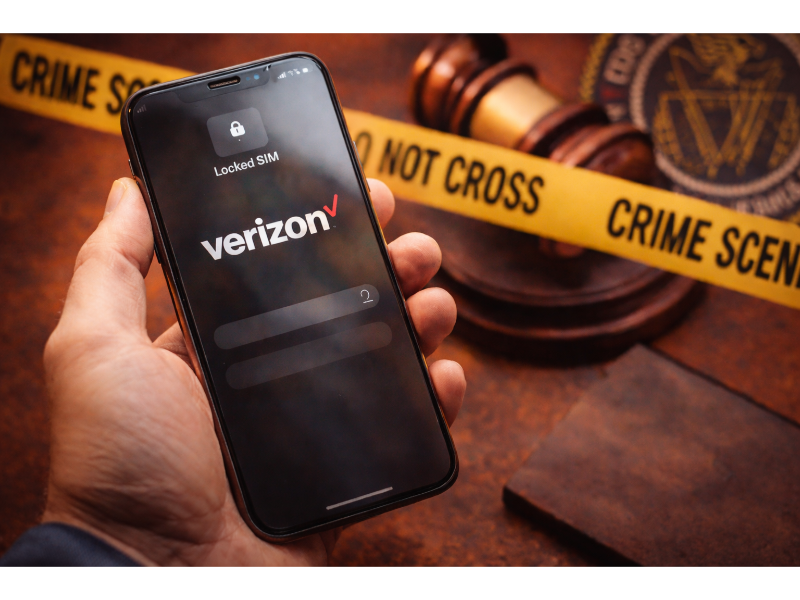
- The FCC has revised a unique 60‑day phone unlocking requirement for Verizon Communications, citing significant fraud losses.
- The change aligns Verizon’s policy with industry norms but raises questions about regulatory reach and consumer protection balance.
What happened:FCC changes Verizon’s phone unlocking timeframe
The Federal Communications Commission (FCC) announced on Monday that it will revise a longstanding rule requiring Verizon to unlock mobile phones 60 days after activation, a condition previously imposed when Verizon acquired TracFone.
Verizon argued that the 60‑day rule had been exploited by criminal networks, leading to widespread fraud and device trafficking. The company reported losing approximately 784,703 devices to fraud in 2023 — at a cost of hundreds of millions of dollars — after implementing the shorter unlocking period.
The FCC acknowledged that the earlier unlocking policy created a loophole that bad actors used to steal and resell phones, often in overseas markets such as Russia, China and Cuba. Some of these stolen devices were reportedly sold for high prices on the dark web, a point highlighted by both industry commentators and security researchers.
Verizon had previously operated under more typical industry practices, where postpaid phones are unlocked after they are paid off and prepaid devices after a year of service. The FCC’s revision brings Verizon’s unlocking rules closer to those standards endorsed by other major carriers.
FCC Chair Brendan Carr said the change aims to close a “loophole” exploited not only for theft but also for broader criminal activities, including drug trafficking and human smuggling.
Why it’s important
The adjustment of Verizon’s unlocking rule reflects a growing focus on telecom fraud and device security. Handset unlocking policies, intended to promote consumer freedom and interoperability, can have unintended consequences if exploited by organised crime.
Critics argue that while fraud prevention is critical, broad changes to unlocking policies may limit consumer rights. Consumers often seek to unlock devices to switch providers or use them abroad, and a more restrictive regime could complicate legitimate uses.
Moreover, there are questions about whether regulatory firms like the FCC should tailor rules to specific companies. Verizon was unique among U.S. carriers in having such a short unlocking requirement; aligning its policy with competitors may reduce fraud but also raises issues of regulatory consistency and fairness.
There is also debate over whether the FCC’s approach sufficiently addresses the root causes of device theft and fraud, such as weak supply‑chain controls or law‑enforcement coordination. Some analysts suggest that enforcement actions against trafficking networks and better device tracking technologies might play a larger role in deterring misuse.
For consumers and carriers alike, the revised rule highlights the tension between security and accessibility, and underscores the challenges regulators face in adapting policies to evolving threats without curtailing legitimate user freedoms.
Also read: Verizon to cut 15,000 jobs in its biggest-ever shake‑up
Also read: FCC introduces new rules to bolster submarine cable security
