
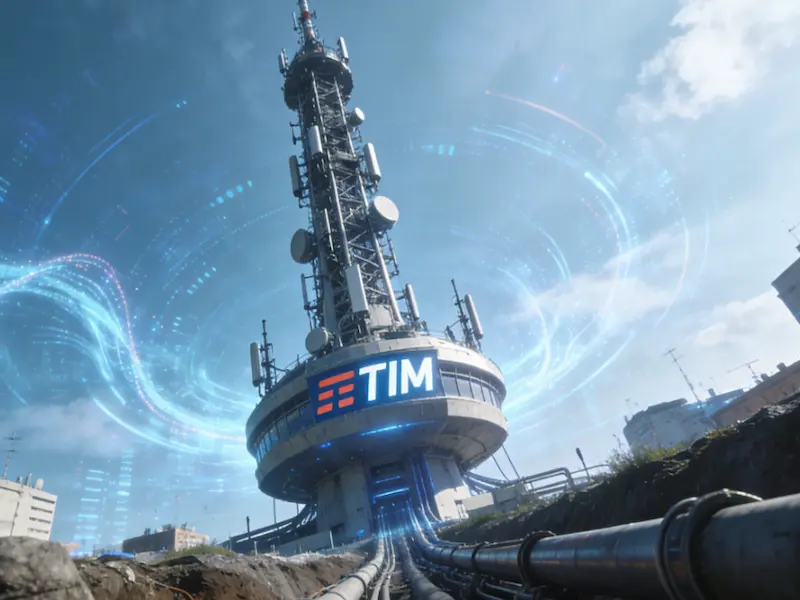
- TIM has struck a deal involving tower infrastructure with Fastweb Vodafone in Italy.
- The agreement underlines continued investor and operator interest in telecom tower assets.
What happened: Tower assets back in focus
TIM has reached an agreement involving its tower infrastructure with Fastweb and Vodafone, signalling renewed activity in the telecom tower market.
According to reporting by Telecoms.com, the deal demonstrates that tower assets continue to hold significant commercial value despite broader changes in the telecom sector.
Mobile towers are critical infrastructure used to support wireless communication networks, including 4G and 5G services. Operators have increasingly sought to monetise these assets through partnerships, sales or shared infrastructure agreements.
The arrangement involving TIM, Fastweb and Vodafone suggests a continued willingness among operators to collaborate on infrastructure in order to reduce costs and improve network efficiency.
Over the past decade, many telecom companies have spun off or partially sold tower assets to specialised infrastructure firms, viewing them as stable, income-generating investments.
According to the report, the latest deal indicates that even as the industry shifts towards software-defined networks and cloud-based services, physical infrastructure such as towers remains central to network operations.
Also Read: TIM and Vodafone agree to share 5G RAN to boost coverage
Also Read: American Tower and AT&T Mexico settle tower-rent dispute
Why it’s important
The deal highlights the enduring role of telecom towers as strategic and financial assets.
Despite growing focus on cloud computing and digital services, mobile networks still depend on extensive physical infrastructure. Towers provide the foundation for wireless connectivity, supporting everything from consumer mobile services to enterprise applications.
For operators, sharing or monetising tower infrastructure can help reduce capital expenditure and improve returns on existing assets.
From a financial perspective, tower assets are often seen as attractive investments due to their stable, long-term revenue streams, typically secured through leasing agreements with multiple operators.
The TIM agreement also reflects a broader trend towards infrastructure sharing, which can help operators manage costs while expanding network coverage.
In competitive markets such as Italy, such collaborations can improve efficiency without compromising service quality.
The continued interest in towers suggests that, even as telecom networks evolve, physical infrastructure remains a critical part of the value chain.
As 5G networks expand and future technologies such as 6G emerge, demand for well-located, high-capacity tower sites is likely to remain strong.
The deal therefore underscores a key point: while the telecom industry is undergoing digital transformation, its physical foundations continue to generate both operational and financial value.
