
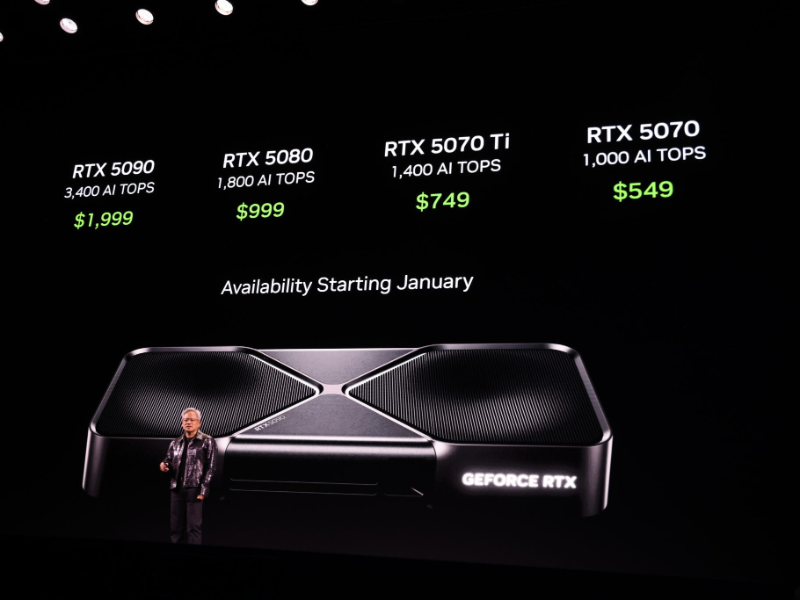
- Nvidia CEO Jensen Huang is set to deliver a keynote at CES 2026 in Las Vegas amid mounting competition from both rivals and major customers developing their own AI chips.
- The event will highlight Nvidia’s latest AI technology plans, including new products and strategic directions, as industry rivals like Google and AMD step up their efforts.
What happened: Huang to speak at CES as market pressures increase
Nvidia’s founder and Chief Executive Officer, Jensen Huang, is scheduled to take the stage at the Consumer Electronics Show (CES) 2026 in Las Vegas this week, where he is expected to outline the company’s latest product strategies and developments in artificial intelligence and related technologies. The appearance comes at a time when Nvidia, the world’s most valuable publicly traded technology company, faces intensifying competition from both traditional rivals and some of its own largest customers.
According to reports, Nvidia recently acquired talent and chip technology from startup Groq, including executives who previously helped design AI chips at Alphabet’s Google, a firm that remains both a customer and a growing threat in the AI silicon arena. The competition is further underscored by efforts from other major technology companies such as AMD, which is unveiling its own advanced AI processors at the same CES event.
Huang’s presentation is scheduled for later today and is expected to focus on how Nvidia plans to maintain its leadership in AI hardware and autonomous systems. Industry observers note that as more organisations seek to design custom AI accelerators, Nvidia’s announcements could shed light on how the company intends to stay ahead in a rapidly evolving market landscape.
Also Read: ByteDance ramps up Nvidia chip spending amid AI surge
Also Read: Nvidia asks TSMC to boost H200 chip output as Chinese demand surges
Why it’s important
This keynote is significant not only for Nvidia but for the broader semiconductor and AI ecosystem. Nvidia’s GPUs have been foundational to the recent boom in generative and large-scale AI model training, powering cloud services, data centres and research workloads. However, as competition intensifies, the company’s strategic messaging at CES will be closely watched for indications of how it intends to address challenges from competitors and customers alike.
The presence of rival chip makers at the same event reflects a broader shift in the market, where firms that were once buyers of Nvidia technology are now building their own silicon. This trend could reshape future demand patterns and influence Nvidia’s product priorities. Moreover, CES remains one of the premier stages for unveiling cutting-edge tech innovations, and Huang’s remarks will likely touch on both current capabilities and future ambitions of Nvidia’s AI ecosystem.
