Close Menu
  • Home
  • Leadership Alliance
  • Exclusives
  • History of the Internet
  • AFRINIC News
  • Internet Governance
    • Regulations
    • Governance Bodies
    • Emerging Tech
  • Others
    • IT Infrastructure
      • Networking
      • Cloud
      • Data Centres
    • Company Stories
      • Profile
      • Startups
      • Tech Titans
      • Partner Content
    • Fintech
      • Blockchain
      • Payments
      • Regulations
    • Tech Trends
      • AI
      • AR / VR
      • IoT
    • Video / Podcast
  • Country News
    • Africa
    • Asia Pacific
    • North America
    • Lat Am/Caribbean
    • Europe/Middle East
Facebook LinkedIn YouTube Instagram X (Twitter)
Blue Tech Wave Media
Facebook LinkedIn YouTube Instagram X (Twitter)
  • Home
  • Leadership Alliance
  • Exclusives
  • History of the Internet
  • AFRINIC News
  • Internet Governance
    • Regulation
    • Governance Bodies
    • Emerging Tech
  • Others
    • IT Infrastructure
      • Networking
      • Cloud
      • Data Centres
    • Company Stories
      • Profiles
      • Startups
      • Tech Titans
      • Partner Content
    • Fintech
      • Blockchain
      • Payments
      • Regulation
    • Tech Trends
      • AI
      • AR/VR
      • IoT
    • Video / Podcast
  • Africa
  • Asia-Pacific
  • North America
  • Lat Am/Caribbean
  • Europe/Middle East
Blue Tech Wave Media
Home » Trump allows Nvidia AI chip exports to China
trump-allows-nvidia-ai-chip-exports-to-china
AI

Trump allows Nvidia AI chip exports to China

By Jessi WuDecember 12, 2025No Comments3 Mins Read
Share
Facebook Twitter LinkedIn Pinterest Email
  • President Trump announced a policy shift allowing Nvidia’s H200 AI chips to be exported to China under conditions intended to protect national security and generate revenue.
  • The decision has drawn bipartisan criticism, especially from Senator Elizabeth Warren, who has called for congressional testimony and warned it could weaken the United States’ technological edge.

What happened: Trump greenlights Nvidia H200 exports to China

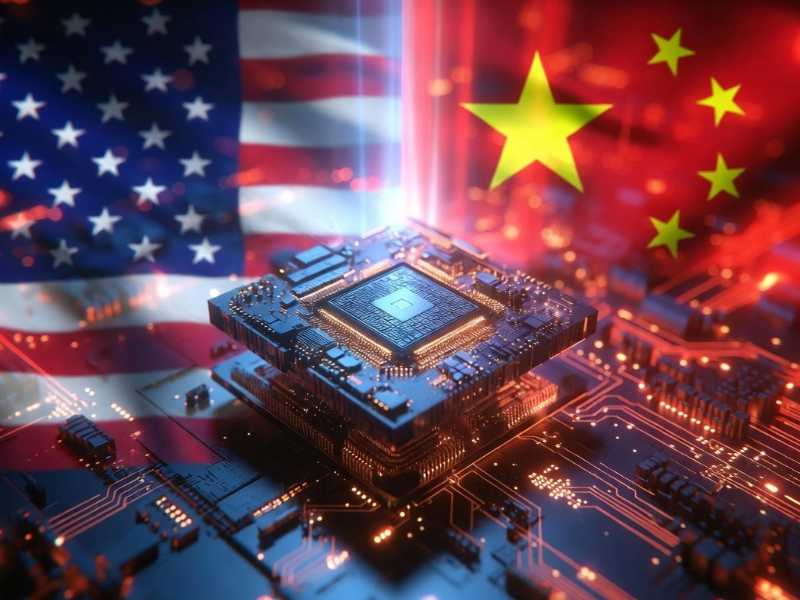
The Trump administration has confirmed it will permit Nvidia to ship its H200 artificial intelligence chips to approved customers in China, marking a significant reversal of earlier restrictions on chip exports. President Trump communicated the policy change on social platforms and through public statements, saying that the United States would require a revenue share for such exports while maintaining measures to safeguard national security.

The H200 chips, which are used for advanced computing and AI model training, sit below Nvidia’s most advanced Blackwell and Rubin processors in terms of performance but remain powerful components in the generative AI ecosystem. Trump’s announcement ensures that export licences will still be required and that sales will only proceed under vetting by the Department of Commerce, which is finalising regulatory details.

The move comes amid strategic competition between the United States and China in semiconductor technology, where export controls have been a key tool for restricting access to advanced chips. The policy shift reflects a balancing act by the US government between supporting domestic semiconductor firms’ commercial interests and addressing geopolitical concerns.

Also Read: APAC Summit forecasts massive surge in AI infrastructure
Also Read: Deutsche Telekom deepens AI ambitions through OpenAI partnership

Why it’s important

Allowing the export of advanced AI chips to China could have significant implications for global technology competition and national security. For Nvidia, access to China’s large market represents a major commercial opportunity and a way to regain revenue lost under previous export restrictions. However, critics argue that enabling China to obtain more capable computing hardware could narrow the technological gap and potentially bolster Chinese capabilities in areas including defence and cyber operations.

Senator Elizabeth Warren has urged Nvidia’s CEO and the Commerce Secretary to testify before Congress to explain the decision and its implications, reflecting growing political scrutiny in Washington.

For policymakers, the episode highlights the complex interplay between economic goals, industry lobbying and national security strategy in the semiconductor sector. How Washington navigates these tensions may influence future export policies and shape the trajectory of the US–China technology rivalry in AI.

AI chips NVIDIA Trump
Jessi Wu

Jessi is an intern reporter at BTW Media, having studied fintech at the University of New South Wales. She specialises in blockchain and cryptocurrency. Contact her at j.wu@btw.media.

Related Posts

CAIGA and ICANN spark new fears over Africa’s IPv4 and IPv6 future

December 12, 2025

U Mobile expands 5G indoors with major IGB property coverage deal

December 12, 2025

AI and data-centre boom exposes five key debt hotspots

December 12, 2025
Add A Comment
Leave A Reply Cancel Reply

CATEGORIES
Archives
  • December 2025
  • November 2025
  • October 2025
  • September 2025
  • August 2025
  • July 2025
  • June 2025
  • May 2025
  • April 2025
  • March 2025
  • February 2025
  • January 2025
  • December 2024
  • November 2024
  • October 2024
  • September 2024
  • August 2024
  • July 2024
  • June 2024
  • May 2024
  • April 2024
  • March 2024
  • February 2024
  • January 2024
  • December 2023
  • November 2023
  • October 2023
  • September 2023
  • August 2023
  • July 2023

Blue Tech Wave (BTW.Media) is a future-facing tech media brand delivering sharp insights, trendspotting, and bold storytelling across digital, social, and video. We translate complexity into clarity—so you’re always ahead of the curve.

BTW
  • About BTW
  • Contact Us
  • Join Our Team
  • About AFRINIC
  • History of the Internet
TERMS
  • Privacy Policy
  • Cookie Policy
  • Terms of Use
Facebook X (Twitter) Instagram YouTube LinkedIn
BTW.MEDIA is proudly owned by LARUS Ltd.

Type above and press Enter to search. Press Esc to cancel.