
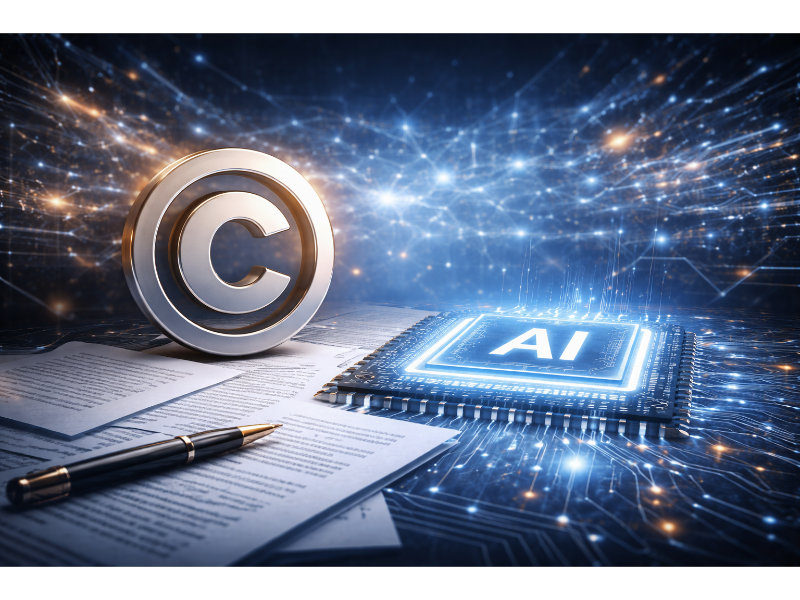
- The British government will review controversial copyright overhaul plans in March, aiming to balance creators’ rights and AI innovation.
- Initial proposals to allow AI training on any lawful content unless opted out were widely rejected by the creative sector.
What happened: government rethinks AI copyright reforms after backlash
The UK government is preparing to reset its approach to reforming copyright law to address disputes over artificial intelligence and the rights of creative industries. British technology minister Liz Kendall told lawmakers that the original plan to loosen copyright restrictions so AI systems could be trained on any legally accessible material — unless creators opted out — had been a mistake, and would now be revisited.
Under the initial proposal, developers of generative AI models would have been able to train on a broad range of material found online so long as it was lawfully available, placing the onus on artists to opt out. Critics said this gave a default advantage to technology companies at the expense of creators’ control and reward for their work.
Culture minister Lisa Nandy echoed Kendall’s remarks, acknowledging that the creative sector’s concerns — especially about remuneration and control of original content — were too serious to ignore.
The reset follows months of debate over a proposed “opt‑out” model of copyright exceptions for AI, which creative groups and musicians warned could weaken longstanding protections. High‑profile artists and industry organisations have argued that such a model would make it harder for creators to control how their works are used in AI training, and campaigns such as Make It Fair highlighted these risks.
Why it’s important
The UK’s decision to rethink its copyright reforms underscores a broader tension between fostering AI innovation and protecting creators’ rights. Generative AI systems often rely on massive datasets, including works by authors, musicians and artists; how those works are accessed and used has become a legal and ethical flashpoint.
Proponents of looser copyright argue that easier access to content could make the UK more competitive in AI development, potentially attracting investment and talent. However, critics warn that default uses of copyrighted works could undermine creators’ livelihoods and dilute intellectual property norms.
There is also uncertainty about how any new regime would interact with existing text and data mining exceptions and international copyright frameworks, raising questions about enforceability and global consistency.
Observers suggest that the reset is a recognition that simplistic opt‑out models may not satisfy either side, and that any successful policy must balance innovation incentives with fair compensation and control for rights holders. The upcoming government review in March will be closely watched by both technology firms and creative industry advocates as the UK seeks a framework that can support both sectors.
Also read: Copyright in the AI era: CNKI’s challenge to Metaso AI
Also read: Authors sue Anthropic for copyright infringement over AI training
