
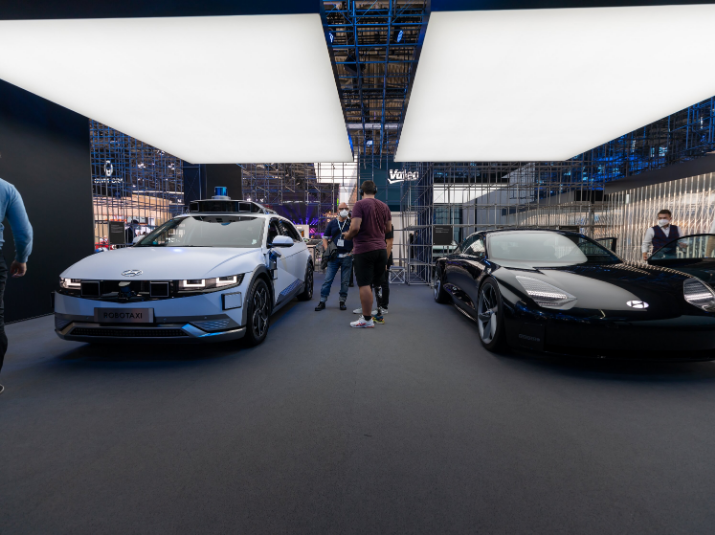
- Major players like Waymo and Cruise are leading the charge in the robotaxi industry.
- Governments and companies are working together to create safe and efficient autonomous taxi systems.
The future of transport is arriving faster than many of us expected, and robotaxis are at the forefront of this revolution. But who exactly is building these autonomous marvels? The answer involves a mix of tech giants, start-ups, and collaborative efforts with governments. Let’s dive into the key players and what they’re bringing to the table.
1. Waymo: Pioneering the path
Waymo, a subsidiary of Alphabet Inc., is one of the most prominent names in the robotaxi arena. With extensive testing and a fleet of self-driving vehicles already in operation, Waymo has made significant strides. Their service, Waymo One, is available in parts of Phoenix, Arizona, providing real-world data and experiences. Their commitment to safety and technology makes them a leader in this field .

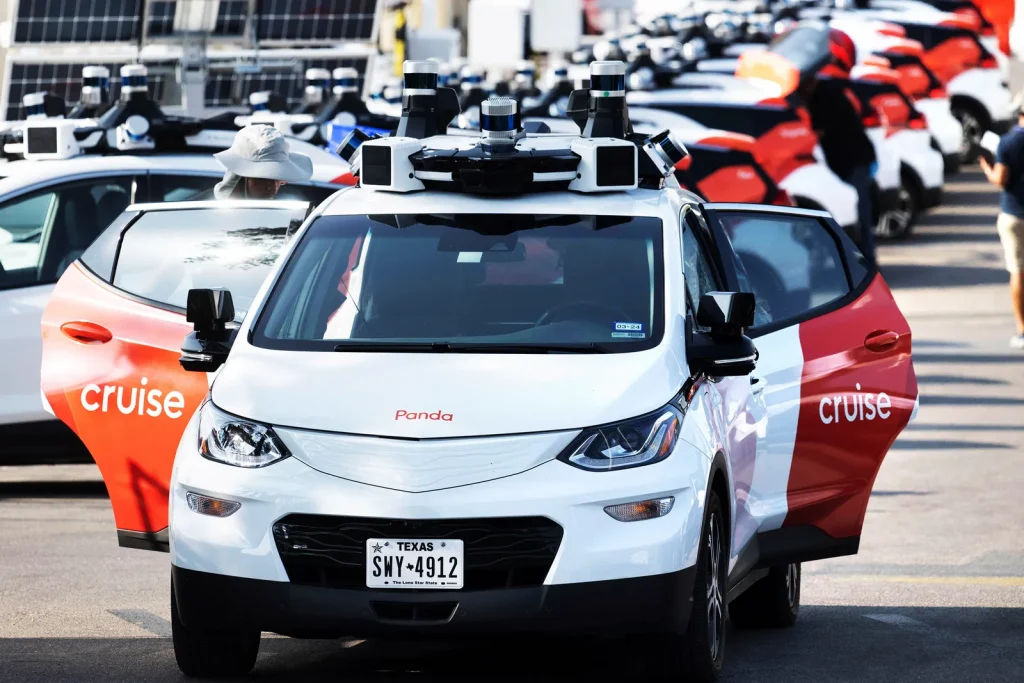
2. Cruise: Backed by giants
Cruise, a subsidiary of General Motors, is another major contender. With substantial investments from companies like Honda and Microsoft, Cruise is developing a fleet of autonomous vehicles. Their focus is on creating a sustainable, electric, and fully autonomous ride-hailing service. Cruise aims to launch a commercial service in San Francisco, pending regulatory approval .
3. Tesla: A vision-driven approach
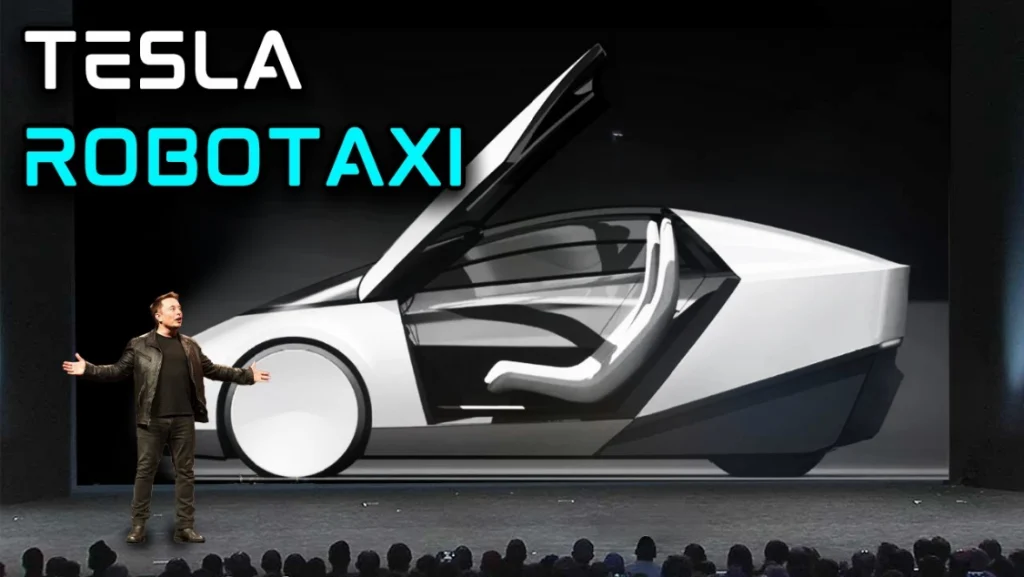
Tesla’s approach to autonomous driving is integrated with its existing vehicle lineup. With its Full Self-Driving (FSD) software, Tesla aims to transform its cars into robotaxis. While the technology is still under development and has faced regulatory scrutiny, Tesla’s ambitious plans and significant advancements cannot be ignored. Elon Musk envisions a future where Tesla owners can earn money by letting their cars operate as robotaxis when not in use .
4. Baidu Apollo: China’s answer to robotaxis
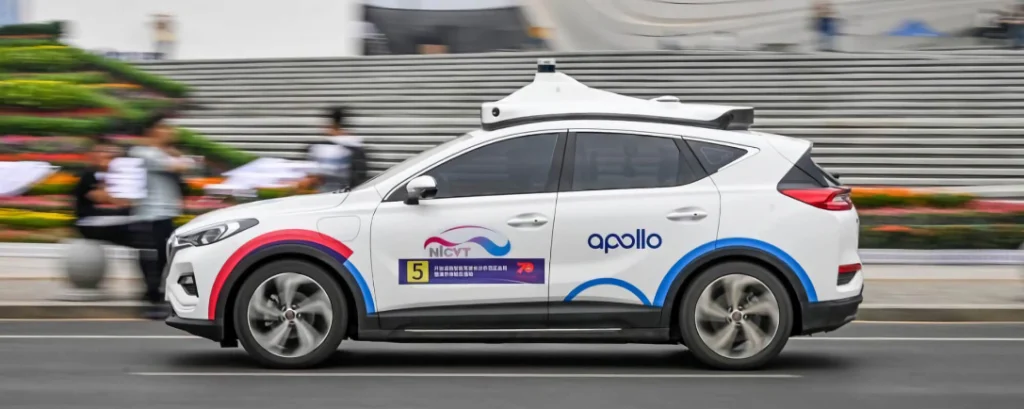
In China, Baidu is leading the charge with its Apollo project. Partnering with various automotive manufacturers, Baidu aims to deploy robotaxis across multiple cities. Their autonomous vehicles have already provided rides in cities like Beijing and Guangzhou, showcasing impressive technology and a commitment to safety. Baidu’s efforts signify China’s strong push towards autonomous transportation .
5. Start-ups and other innovators
Numerous start-ups are also contributing to the robotaxi landscape. Companies like Zoox (acquired by Amazon), AutoX, and Aurora are making significant progress. These start-ups often bring innovative approaches and new technologies, pushing the boundaries of what autonomous vehicles can achieve.
Also read: RADAR technology: Shaping the future of autonomous vehicles
Also read: Why do we need autonomous vehicles?
Intriguing aspects: Collaboration and regulation
The development of robotaxis isn’t happening in a vacuum. Governments play a crucial role in shaping the future of autonomous transportation. Regulatory bodies are working closely with companies to establish safety standards and guidelines. For instance, the US Department of Transportation has been actively involved in setting frameworks for autonomous vehicles . In Europe, cities like Helsinki and Paris are also testing robotaxis, supported by local governments and EU initiatives .
Moreover, public acceptance is vital. Companies are investing in public awareness campaigns to address concerns about safety and job displacement. For example, Waymo’s extensive public education efforts aim to build trust and highlight the benefits of autonomous vehicles, such as reduced accidents and increased mobility for those unable to drive .
The race to build robotaxis is a collaborative effort involving technology, regulation, and public engagement. It’s not just about creating self-driving cars but also about integrating them seamlessly into our daily lives.
A Personal take
The journey towards fully operational robotaxis is as fascinating as it is complex. Companies like Waymo, Cruise, and Tesla are at the forefront, with substantial contributions from start-ups and international players like Baidu. Governments and regulatory bodies are critical in ensuring these advancements are safe and beneficial to society. As we stand on the brink of this transportation revolution, it’s essential to embrace the potential changes with optimism and a readiness to adapt. The future of travel is autonomous, and it’s closer than we think.
In a world where innovation drives progress, the emergence of robotaxis symbolises our relentless pursuit of efficiency and safety. This blend of technology and human ingenuity holds the promise of transforming our cities and the way we move through them. The journey is just beginning, and its impact will resonate for generations to come.
