
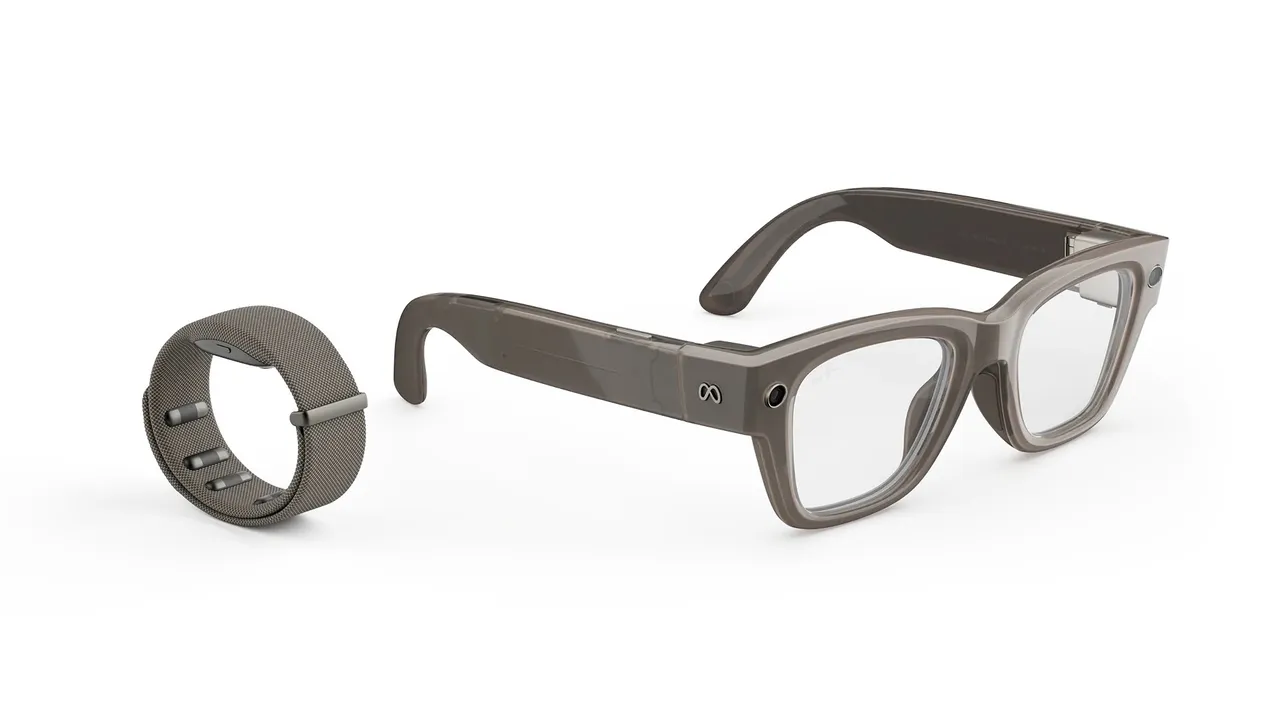
- Meta is cutting more than 1,000 jobs and closing several virtual reality (VR) studios as it shifts resources away from its long-promoted metaverse projects toward AI-powered wearables and other technologies.
- The move reflects a broader retrenchment of the company’s metaverse ambitions, including a pivot toward mobile experiences and products like Ray-Ban Meta smart glasses that have seen stronger consumer interest.
What happened: Meta retreats from metaverse, prioritising AI devices
Meta Platforms is significantly scaling back its metaverse strategy, shedding over 1,000 roles in its Reality Labs division and winding down key virtual reality initiatives. According to an internal memo reportedly authored by Chief Technology Officer Andrew Bosworth, roughly 10 per cent of Reality Labs staff will be affected as the company reallocates spend toward more promising products such as AI glasses and wearable devices.
The cuts have hit teams involved in building VR content and hardware, with internal communications indicating that several in-house VR game studios will be shut down and development resources trimmed back. Staff working on Horizon Worlds — Meta’s flagship social metaverse platform — are being redirected to focus on mobile metaverse experiences rather than immersive virtual-reality content.
In parallel, Meta is reportedly in discussions with EssilorLuxottica, the parent company of Ray-Ban, to boost production of its Meta Ray-Ban Display AR/AI glasses. These wearable units, first released in late 2025, have seen surprisingly strong demand in the United States, prompting Meta to delay international launches so it can meet current orders.
This latest restructuring follows earlier indications that Meta planned to cut up to 30 per cent of its metaverse budget as part of its 2026 financial planning, signalling a more cautious approach to a vision that once defined the company’s strategic identity.
Also Read: Meta signs nuclear power deals for AI data centres
Also Read: Meta appoints Dina Powell McCormick as president
Why it’s important
Meta’s retrenchment from the metaverse marks a significant shift in the tech industry’s broader narrative around extended-reality platforms. When the company rebranded from Facebook to Meta in 2021, it positioned the metaverse as its future core business and invested tens of billions into virtual worlds and VR hardware. The latest moves indicate that consumer adoption of immersive virtual environments has fallen short of expectations, prompting leadership to prioritise areas with clearer demand, such as AI-centric wearables and mobile experiences.
For the telecom and infrastructure sector, this shift underscores the growing importance of edge computing, 5G connectivity and AI-driven applications that deliver tangible user value today, rather than speculative platforms that require specialised hardware. As users and developers gravitate toward mobile-first and AI-enhanced devices, investment in networks and data centres supporting these trends is likely to accelerate. Additionally, enterprises and developers that had aligned with Meta’s metaverse roadmap may need to recalibrate their strategies in light of this pivot.
While Meta is not abandoning immersive technology entirely, the reduced emphasis on standalone VR ecosystems highlights the industry’s evolution toward integrated digital experiences that blend artificial intelligence with everyday connectivity.
