
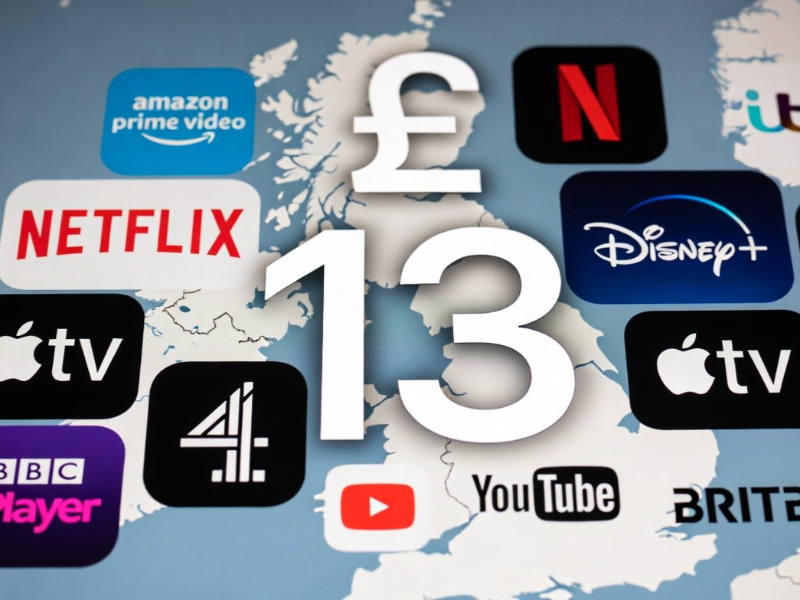
- Consumers in the United Kingdom spent £13 billion on subscription streaming services in 2025, driven by growing demand for video and audio content.
- The figures reflect a broad shift in entertainment habits, with SVOD and music streaming now central to daily media consumption.
What happened: UK spending on streaming soars to £13 billion
United Kingdom consumers spent an estimated £13 billion on streamed entertainment in 2025, according to industry analysis of subscription video and audio on-demand services. The figure covers a wide range of digital content, including subscription video on demand (SVOD) platforms, music streaming services and premium content tiers, underlining how entrenched digital entertainment has become in everyday life.
SVOD remains the largest single category within this total, with major platforms such as Netflix, Disney+ and Amazon Prime Video continuing to attract substantial subscriber bases. Meanwhile, music streaming services — led by providers like Spotify and Apple Music — delivered recurring revenue through monthly subscriptions and premium offerings. Analyst estimates also incorporate spending on emerging audio formats, such as premium podcast tiers and high-definition music services.
The increase in overall spending in 2025 followed a trend of sustained growth in digital content consumption. This has been fuelled by factors including competitive pricing, original content investments by platforms, and expanding broadband and mobile connectivity across the UK. Advertiser-supported video on demand (AVOD) also contributed to total viewer engagement, though direct subscription spend remains the focus of the latest figures.
Industry experts point to the role of exclusive content in attracting and retaining subscribers. High-profile series, live events and exclusive music drops have helped platforms differentiate themselves in a crowded market. In addition, bundling strategies — where streaming services are packaged with telecommunications and broadband plans — have further embedded these subscriptions into household expenditure.
Also Read: UK tightens rules on unsolicited nude images
Also Read: UK urges Musk to act fast on Grok AI images
Why it’s important
The £13 billion spend highlights how central streaming has become to the UK’s media ecosystem. Traditional broadcast television and physical media sales have continued their decline as consumers shift spend towards digital alternatives that offer convenience, personalisation and on-demand access.
For content creators and distributors, this trend implies both opportunity and challenge. On the positive side, strong consumer spending signals healthy demand for premium digital content. Producers of original series, documentaries and exclusive music stand to benefit from growing subscription bases and associated revenue.
At the same time, competition for consumer spend is intensifying. Not only must platforms vie with one another, but they increasingly compete with broader digital activities such as gaming, social media and emerging immersive content. Subscriber fatigue — where users limit the number of paid services they maintain — could influence future growth trajectories.
From a network perspective, continued growth in streaming consumption places pressure on broadband and mobile infrastructure. Service providers may need to prioritise investment in capacity and performance to ensure seamless delivery of high-definition video and audio, particularly as content quality standards rise.
