
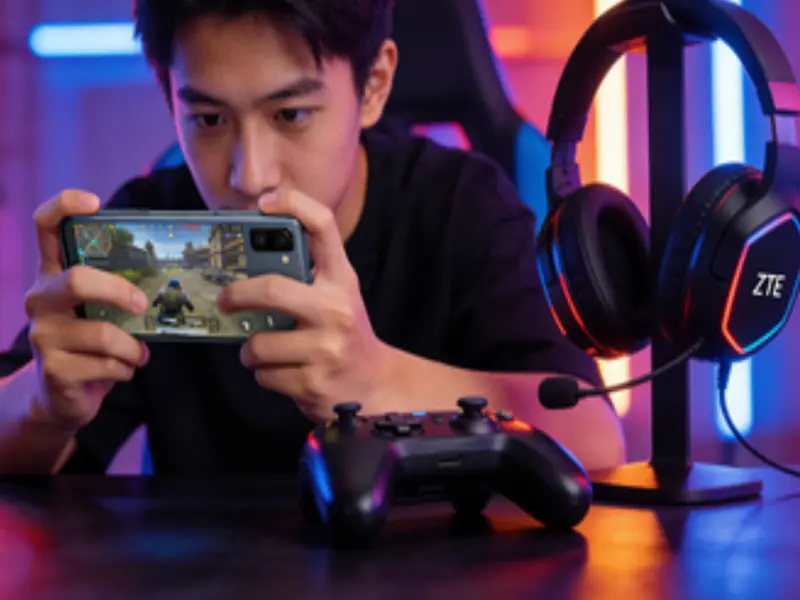
- ZTE is positioning gaming-focusseded smartphones to appeal to Gen Z consumers worldwide.
- The strategy highlights how mobile gaming is becoming a key driver of smartphone demand.
What happened: Gaming-first strategy for younger users
ZTE is betting on Gen Z gaming culture to expand its global smartphone business, according to reporting by Capacity Media.
The company is positioning its gaming-oriented smartphone portfolio as a way to attract younger consumers who increasingly use mobile devices for gaming, streaming and social media. ZTE executives say gaming performance and immersive digital experiences are becoming central to smartphone design and marketing.
According to the report, ZTE sees gaming as a powerful cultural and technological trend shaping the expectations of younger users. Devices designed for gaming typically feature high refresh-rate displays, advanced processors and cooling systems capable of sustaining demanding workloads.
The company’s strategy reflects the rapid growth of the mobile gaming sector, which has become one of the largest segments of the global gaming industry. Smartphones are now the primary gaming platform for many younger consumers, particularly in emerging markets where dedicated gaming hardware may be less common.
ZTE has also been expanding its gaming-focusseded device lineup under brands such as its Nubia gaming phones, which are designed to deliver high-performance mobile gaming experiences.
Also Read: ZTE expands full stack AI strategy at MWC Barcelona 2026
Also Read: ZTE awarded top global honour for Malaysian 5G network revamp
Why it’s important
ZTE’s focussed on gaming highlights a broader shift in how smartphone manufacturers are approaching product differentiation.
As global smartphone markets mature and hardware improvements become incremental, manufacturers are increasingly targeting specific user communities such as gamers, content creators and streaming enthusiasts.
Mobile gaming has emerged as one of the most influential trends shaping device demand. Games require powerful processors, advanced graphics capabilities and reliable connectivity, making them an effective showcase for high-performance smartphones.
For telecom operators and network providers, the rise of mobile gaming also places greater demand on network performance, particularly low latency and high bandwidth connections.
From a financial perspective, gaming-oriented devices can offer manufacturers higher margins by appealing to enthusiast users willing to pay for premium performance features.
ZTE’s strategy therefore illustrates how cultural trends are influencing hardware development. Rather than competing solely on price, smartphone makers are increasingly designing devices around the digital lifestyles of younger consumers.
As gaming continues to expand globally, the smartphone may remain at the centre of this entertainment ecosystem.
