- Waymo secures a landmark $16 billion funding round, lifting its valuation to about $126 billion.
- Rapid expansion and market leadership coexist with safety investigations and broader competitive pressures.
What happened
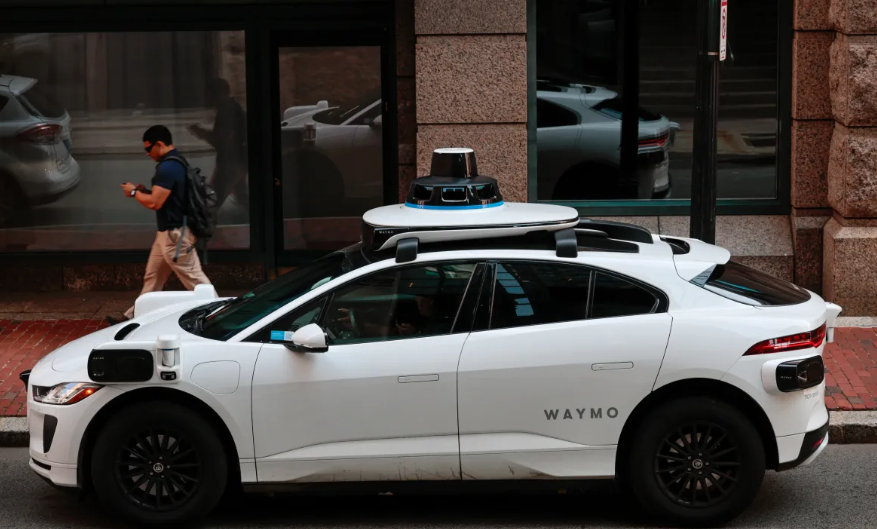
Alphabet Inc.’s autonomous driving subsidiary Waymo has completed a substantial funding round, raising $16 billion and propelling its valuation to approximately $126 billion—nearly triple its last valuation of about $45 billion in 2024. The round was led by Dragoneer Investment Group, DST Global, and Sequoia Capital, with participation from Mubadala Capital, Andreessen Horowitz, and T. Rowe Price, among others.
Waymo operates one of the few fully driverless robotaxi services in the United States, providing paid rides without human drivers or attendants. In 2025 it reportedly delivered around 15 million rides, averaging about 400,000 rides per week across six major metropolitan areas. The capital injection is intended to support further scaling, including fleet expansion and geographic growth.
However, the company faces ongoing regulatory scrutiny. The U.S. National Highway Traffic Safety Administration has opened an investigation following an incident in which a Waymo autonomous vehicle struck a child near a school in California, raising broader questions about safety performance.
Also Read: https://btw.media/all/tech-trends/tesla-brings-cybercab-to-china-but-can-it-catch-up/
Why it’s important
Waymo’s latest financing underscores the continued investor appetite for autonomous mobility, a sector that blends artificial intelligence, robotics, and transportation infrastructure. Its near-tripling valuation reflects confidence in the commercial potential of driverless ride-hailing services, particularly as urban populations seek alternatives to traditional taxis and private car ownership.
Yet the path to profitability and widespread adoption remains uncertain. Autonomous vehicles, including robotaxis, must satisfy stringent safety, regulatory, and public acceptance hurdles—challenges that go beyond technology performance into legal and ethical domains.
Competitive dynamics further complicate the landscape. Rivals such as Elon Musk’s Tesla and Amazon-backed Zoox are also pursuing robotaxi strategies, albeit with differing technical approaches and go-to-market models. Tesla’s current efforts focus on camera-based autonomy and are still considered lower-level systems compared with Waymo’s fully driverless operations.
The funding also raises broader strategic questions: will large valuations translate into sustainable unit economics for autonomous taxis? And as companies expand into new cities — including potential international markets — how effectively will they balance growth with public safety oversight?
Also Read: https://btw.media/products/luobo-kuaipao-fear-and-excitement-as-china-embraces-robotaxis
