
- Waymo has initiated fully autonomous ride-hail operations in Nashville after months of testing.
- The launch highlights growth in the U.S. robotaxi sector, yet broader adoption timelines still missing.
What Happened
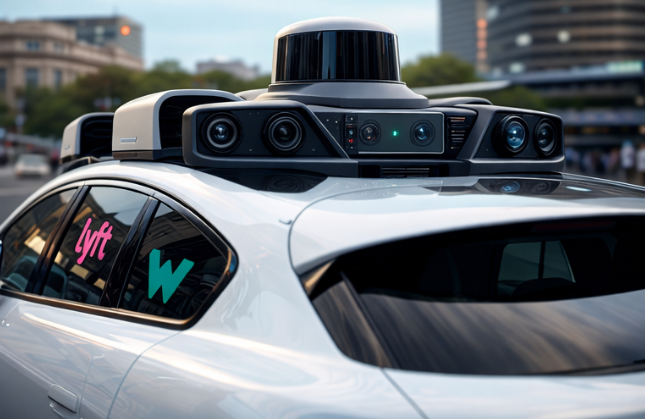
Alphabet’s self-driving division Waymo said on Monday that it has started fully autonomous robotaxi operations in Nashville, Tennessee, according to Reuters reporting. The company is partnering with ride-hailing firm Lyft to integrate its driverless taxis into Lyft’s network, making Nashville the first city where that collaboration is active.
Waymo’s robotaxi service operates without any human safety driver behind the wheel, using a fleet of autonomous electric vehicles that navigate local roads independently. The Nashville rollout comes after months of mapping and testing, including with human drivers, and represents one of Waymo’s most advanced commercial deployments to date.
The company already operates autonomous ride-hail services in cities such as Phoenix, San Francisco, Los Angeles, Atlanta, and Austin and plans further expansions in other U.S. markets. Waymo has publicly said it has a fleet of more than 2,500 autonomous vehicles and recently raised significant funding, reportedly securing $16 billion in a financing round that valued the unit around $126 billion.
Under its arrangement with Lyft, riders in Nashville can hail robotaxis initially via the Waymo app, with plans for later integration into the Lyft platform for broader dispatch options. Lyft’s subsidiary Flexdrive is expected to handle fleet operations such as vehicle maintenance, charging, and depot services, while Waymo focuses on autonomous technology and navigation.
Also Read: https://btw.media/all/tech-trends/waymo-launches-the-largest-robotaxi-service-in-los-angeles/
Why It’s Important
Waymo’s move into fully autonomous robotaxi operations in Nashville represents a significant step in commercializing self-driving technology beyond limited testing and pilot programs. It underscores momentum in the robotaxi race amid competition from other autonomous efforts by companies such as Tesla—which has been developing its own robotaxi strategy—and rivals like Zoox and Cruise.
However, the launch also highlights persistent challenges. Regulatory frameworks for autonomous vehicles differ across U.S. states and cities, with some jurisdictions offering clear paths for deployment while others—such as Washington, D.C.—have struggled with stalled legislation and oversight requirements. Critics argue that widespread commercial robotaxi services could face safety, liability, and urban planning hurdles before achieving broad adoption.
There are also questions about how quickly consumers will embrace driverless taxis and how these services will integrate with existing transport systems. While Waymo points to data showing millions of autonomous miles driven and a reduction in serious crashes, independent verification of safety gains remains a focus of debating panels, regulators, and researchers.
From an economic perspective, partnerships like the one with Lyft illustrate how autonomous technology companies may rely on established ride-hailing platforms to scale services without shouldering all operational burdens. Whether this model delivers cost efficiencies or affects driver employment—as some analyses suggest robotaxi services could shift the nature of ride-hailing jobs—is an ongoing debate.
The Nashville launch thus marks both a milestone and a test case for the viability of fully autonomous public transport services in varied urban environments.
