
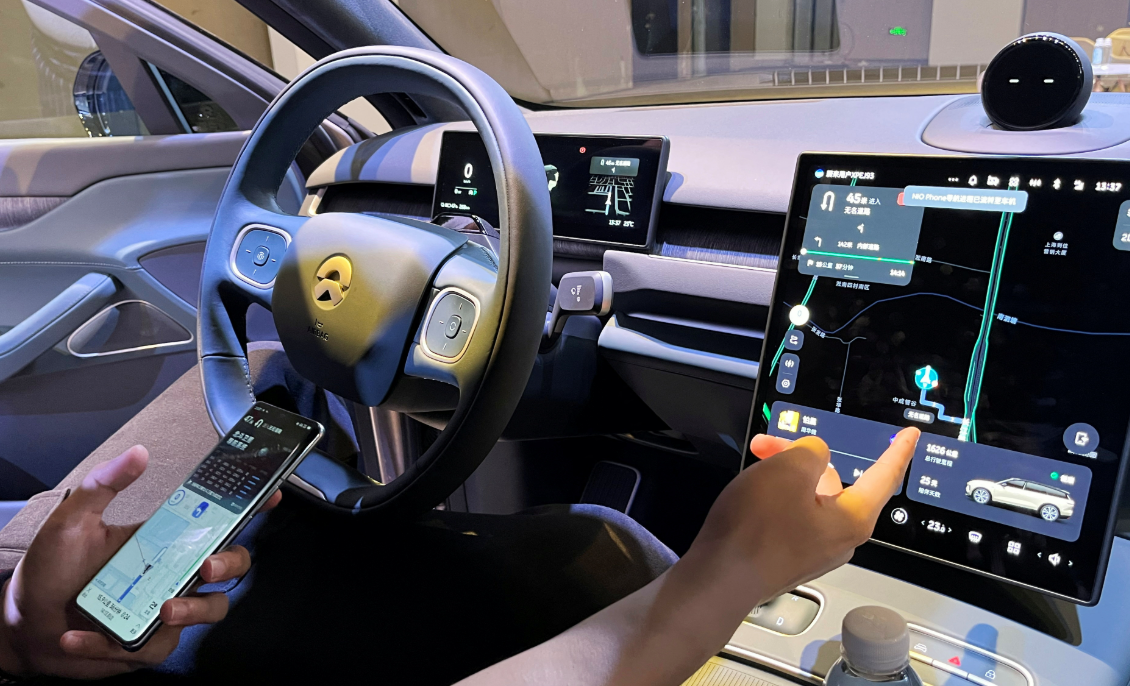
- Vodafone IoT and Hyundai Motor Company sign a strategic agreement to enhance connected car offerings in the Middle East.
- The partnership reflects broader industry efforts to expand telematics and smart mobility, though the commercial impact remains to be seen.
What Happened
Vodafone IoT, the Internet of Things arm of telecom group Vodafone, has announced a strategic partnership with Hyundai Motor Company to enable connected car capabilities for Hyundai vehicles in the Middle East. Under the agreement, Vodafone IoT will provide the connectivity platform and related services needed to support telematics, vehicle diagnostics, and user-centric digital services that form part of the connected car experience.
The solution uses Vodafone’s cellular IoT network infrastructure along with cloud and platform services designed to handle vehicle data at scale. Connected cars can offer features such as real-time remote diagnostics, over-the-air updates, geolocation services, and enhanced vehicle health monitoring. These services aim to improve convenience, safety, and predictive maintenance capabilities for drivers.
While the announcement focuses on the Middle East market, it reflects a broader trend across global automotive markets where carmakers increasingly integrate cellular connectivity to support digital services. For Hyundai, this initiative adds to existing efforts to expand its digital ecosystem, including connected services offered in Europe, North America, and Asia.
Also Read: https://btw.media/it-infrastructure/vodafone-iot-expands-in-the-middle-east-with-mobily/
Why It’s Important
The partnership highlights the accelerating adoption of connected vehicle technologies across regions beyond traditional early adopters. As vehicles become more software-centric and data-driven, automotive manufacturers require robust connectivity platforms to support increasingly sophisticated services. Vodafone IoT’s role as a connectivity provider places it among telecom firms seeking to monetize IoT networks through vertical industry partnerships.
However, the broader commercial impact of such collaborations is not guaranteed. Connected car services often depend on subscription revenue, regulatory support for data use, and compelling customer value propositions. In some markets, consumers remain cautious about ongoing service costs or privacy implications of connected vehicles. Additional questions also surround interoperability—how easily connected car services will integrate with existing driver apps, dealer service systems, and third-party platforms.
From a competitive perspective, telecom providers like Vodafone face rivalry from other connectivity specialists, cloud providers offering embedded telematics platforms, and automotive OEMs that are increasingly building in-house capabilities. As telematics and data services become differentiators, the success of joint models such as this one will hinge on execution, pricing, and how well the technology translates into tangible benefits for drivers.
Nonetheless, the deal signals that the Middle East remains a strategic market for connected mobility initiatives, as governments and automotive sectors invest in smarter transportation infrastructure and digital ecosystems.
Also Read: https://btw.media/all/news/vodafone-partners-with-iridium-for-global-satellite-iot-connectivity/
