
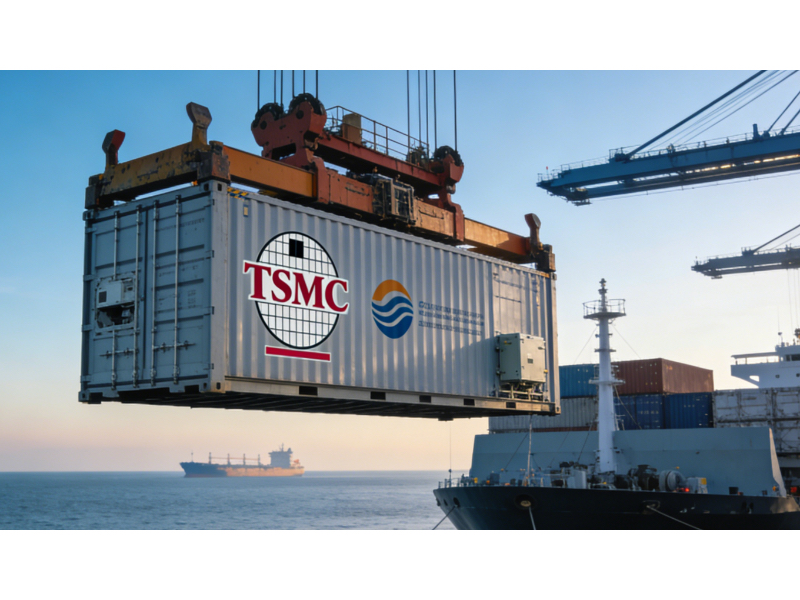
- The US Department of Commerce has issued an annual export licence allowing Taiwan Semiconductor Manufacturing Company (TSMC) to import US-made chip tools to its Nanjing facility in China
- Similar licences were also granted to Samsung Electronics and SK Hynix, reflecting adjustments to export controls as Washington seeks to manage technological competition with China
What happened: Washington reissues export licence for TSMC
The United States government has granted Taiwan Semiconductor Manufacturing Company (TSMC) an annual licence to import US-controlled chipmaking equipment into its semiconductor fabrication plant in Nanjing, China. The approval, issued by the US Department of Commerce, allows TSMC to bring in tools that fall under Washington’s export controls without the need for separate individual vendor licences. This development ensures that operations at the plant, which produces 16-nanometre and other mature-node chips, can continue without interruption.
TSMC confirmed that the annual licence covers shipments of equipment that would otherwise require specific US approval for each item, streamlining logistics for manufacturers. The Nanjing facility, while not producing the company’s most advanced semiconductors, contributed about 2.4 per cent of TSMC’s revenue in 2024, according to the company’s annual report.
Alongside TSMC, South Korean firms Samsung Electronics and SK Hynix have also received similar annual licences to import US semiconductor production equipment into their facilities in China, after longstanding waivers known as “validated end-user” status expired at the end of 2025. Under the previous regime, these companies could import restricted items without individual export licences; the shift means all three must now secure annual approval from US authorities.
The transition from an open waiver to a controlled annual licensing process reflects broader US efforts to regulate the flow of semiconductor tools into China while maintaining continuity for existing foreign operations. It aligns with export curbs introduced in recent years that target the transfer of advanced chip technologies to China as part of geostrategic competition between Washington and Beijing over technological leadership.
Also Read: Samsung and KT validate AI-RAN on commercial networks, boosting 6G prospects
Also Read: Samsung honoured for AI and security breakthroughs at CES 2026
Why it’s important
The US licensing decision carries geopolitical and industry significance. Semiconductor manufacturing equipment, particularly high-end tools, is central to modern chip production. By requiring annual licences, Washington gains additional oversight of what tools enter China and retains leverage over foreign manufacturers’ operations within the country. China remains a major global hub for semiconductor production, especially for mature and mid-range chips, even as the US and its allies seek to limit access to the most advanced technologies.
Critics of the tighter export regime argue that annual licensing introduces uncertainty and administrative burden. Each year, companies must renew approvals for equipment shipments, potentially leading to delays that could disrupt production. It also illustrates how export controls can affect not only Chinese companies but also foreign firms that operate fabs in China and rely on US-origin tools. Foreign companies may face increased costs and complexity as they navigate licensing processes while trying to maintain competitiveness in global supply chains.
On the other hand, proponents of the export controls maintain they are necessary to slow the transfer of cutting-edge technologies that could enhance China’s capabilities in advanced semiconductors — a key component in artificial intelligence, telecommunications and defence applications. The controls on extreme ultraviolet lithography and other sophisticated tools remain stricter, with some classes of equipment still banned outright from export to China regardless of licensing. Such restrictions highlight the balance policymakers are attempting between economic interdependence and national security priorities.
