
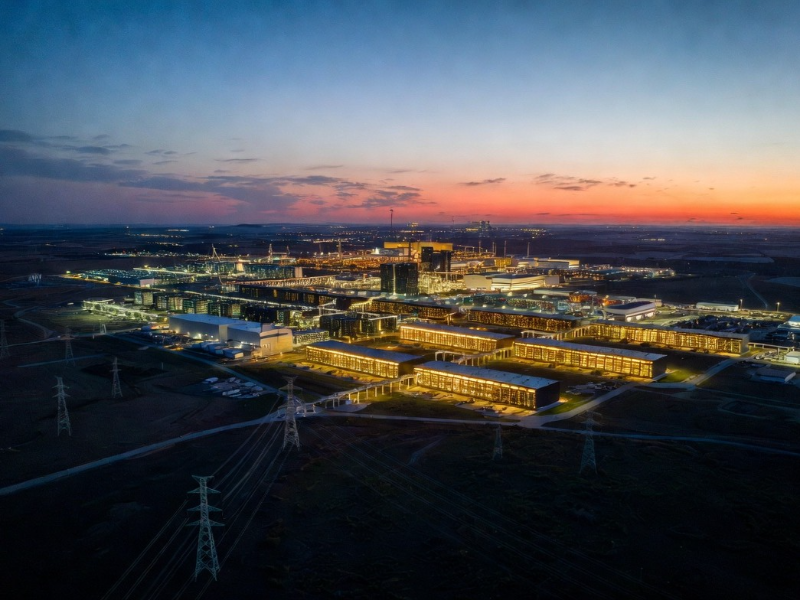
- Bipartisan political figures, including Senator Bernie Sanders and Florida Governor Ron DeSantis, have criticised rapid expansion of artificial intelligence data centres, arguing they strain electricity supply and inflate consumer bills.
- Industry observers and grid operators warn that growing AI data centre demand could outpace current power infrastructure, prompting calls for new policy and grid investment.
What happened: Bipartisan criticism mounts over AI data centre power demands
Leading political figures in the United States from across the political spectrum have publicly challenged the rapid build-out of artificial intelligence data centres as a rising concern for the national electricity grid and household energy costs.
Senator Bernie Sanders, a veteran independent and progressive voice, has urged a temporary halt on new data centre construction pending comprehensive assessment of their social and energy impacts. Republican Florida Governor Ron DeSantis has similarly voiced concern about the pace of development and its implications for local utility rates and grid reliability, advocating for greater community control over project approvals. Reports note that these criticisms are gaining traction amid broader political debates on technology policy ahead of key elections. Political opposition reflects concern not just about energy supply but about environmental impact and fairness in how costs are allocated as AI infrastructure proliferates.
Presidential administration policy has so far emphasised scaling AI infrastructure to maintain global competitiveness, but this strategy now faces scrutiny as rising consumer energy costs draw public attention. Grid operators have also sounded alarms that current capacity may fall short of projected demand if data centre expansion continues without commensurate energy infrastructure upgrades. Analysts foresee that debates over energy policy and tech regulation will become increasingly central to national discussions as 2026 unfolds.
Also Read: xAI expands AI compute capacity with third data centre purchase
Also Read: AirTrunk unveils second hyperscale data centre campus in Melbourne amid rising AI infrastructure demand
Why it’s important
The controversy highlights a crucial intersection of technology growth, public policy and infrastructure readiness. AI data centres, which demand significant and growing amounts of electricity, are essential for training and running advanced AI applications. Yet their rapid deployment is raising complex questions about whether existing grids and regulatory frameworks are equipped to handle the load while keeping costs affordable for ordinary consumers.
This debate touches on broader issues such as how to balance innovation with community impact, equitable energy pricing and environmental sustainability. Policymakers may need to consider targeted regulation or incentives for grid modernisation, renewable energy expansion, and mechanisms that ensure new infrastructure costs are not disproportionately borne by households. Given the bipartisan nature of the backlash, the emerging discourse could influence both energy and technology policy initiatives at federal and state levels in the coming year.
