
- Tesla will invest $2 billion in xAI, deepening ties between its automotive business and Musk’s AI ambitions.
- The company says Cybercab production will begin this year, despite past delays and regulatory uncertainty.
What happened
Tesla has disclosed plans to invest $2 billion in xAI, the artificial intelligence start-up founded by its chief executive, Elon Musk, marking a significant expansion of its exposure to AI beyond vehicle development. The announcement was made alongside Tesla’s latest financial disclosures and reported by The Standard.
According to the report, the funding will be deployed in stages and is intended to support xAI’s rapid expansion, particularly in computing infrastructure needed to train large language models. xAI is best known for developing Grok, a generative AI model positioned as a challenger to products from OpenAI, Google, and Anthropic.
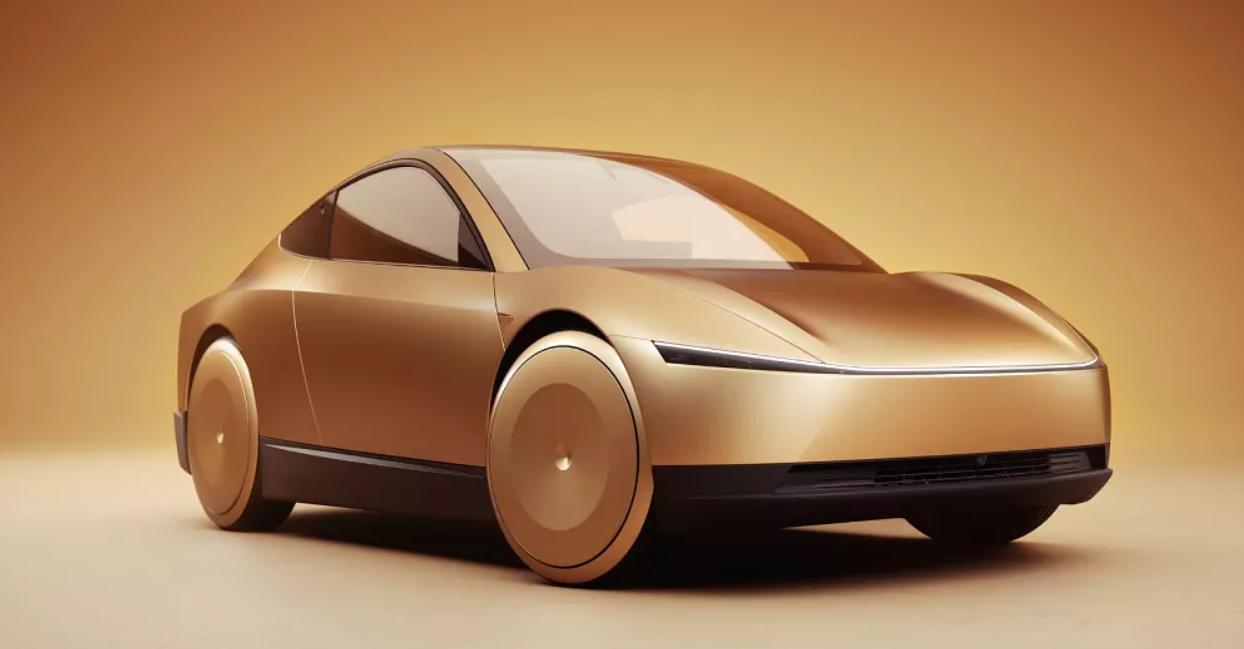
At the same time, Tesla reiterated that production of its long-anticipated Cybercab autonomous vehicle is still expected to begin later this year. The Cybercab, part of Musk’s broader robotaxi vision, is designed to operate without manual controls and relies entirely on Tesla’s autonomous driving software.
Tesla has previously described itself as an AI and robotics company rather than a traditional carmaker, with Musk repeatedly arguing that advances in artificial intelligence are central to the company’s future valuation. The xAI investment appears to reinforce this positioning, even as Tesla grapples with slowing electric vehicle demand in some markets and increased price competition.
Why it’s important
The move raises questions about strategic focus and risk. While closer alignment between Tesla and xAI could, in theory, accelerate progress in autonomous driving and in-car intelligence, it also blurs the line between Tesla’s core business and Musk’s broader technology ecosystem.
Investors may question whether allocating billions to an external AI venture delivers clearer returns than reinvesting in manufacturing, battery technology, or vehicle software refinement. Tesla has already faced criticism for optimistic timelines around autonomy, and Cybercab production claims will likely be closely scrutinized by regulators and safety authorities.
More broadly, the investment highlights how carmakers are increasingly competing on AI infrastructure rather than vehicles alone. Whether this shift produces sustainable advantages or simply higher costs and more ambitious promises remains uncertain.
