
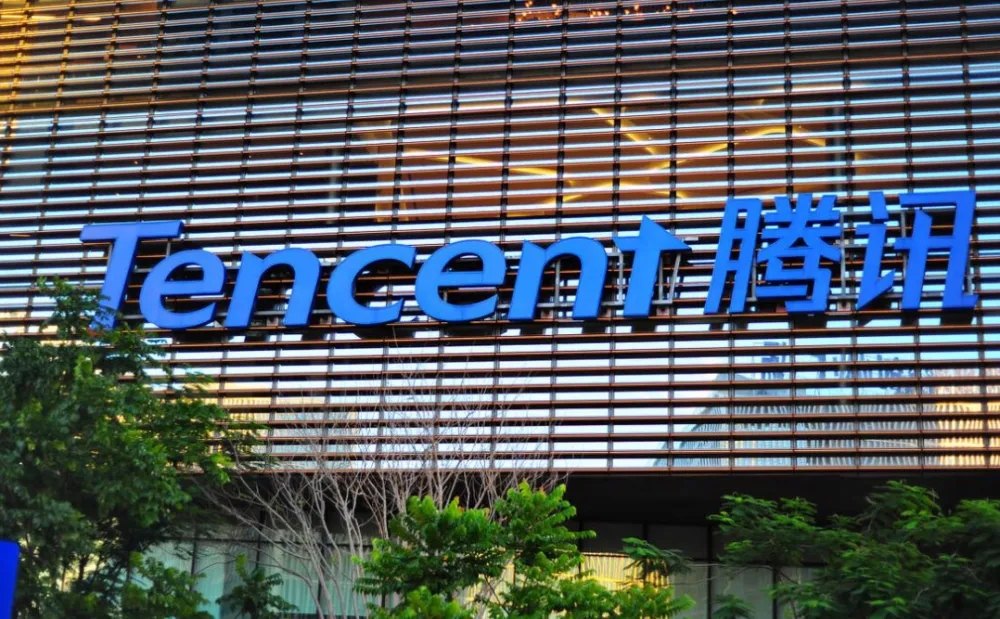
- Tencent plans a major cloud data centre build-out across the Middle East over the next 12–18 months to capitalise on booming regional IT spending.
- The move positions Tencent against major cloud providers like Amazon, Microsoft and Google, as enterprises and governments ramp up demand for cloud and AI infrastructure.
What happened
Chinese tech giant Tencent confirmed in a recent interview with CNBC that the company is vigorously expanding its cloud computing business in the Middle East.
The core of this strategy is to launch new data centres and availability zones in the region within the next 12 to 18 months, with specific locations yet to be announced. Meanwhile, driven by government digital transformation plans and the growing demand for cloud computing, artificial intelligence (AI), and enterprise infrastructure, it is expected that IT spending in the Middle East will reach approximately $155 billion by 2025.
Tencent has established a presence in the region, with two fully redundant availability zones in its first Middle East cloud region in Saudi Arabia, expected to be operational by 2025. The company has numerous clients in Saudi Arabia, including international branches of Chinese technology companies and regional gaming companies. Now, Tencent’s goal is to further expand its business in the Middle East.
Tencent Cloud CEO Tang Daosheng stated that this expansion will be supported by increased investment and strengthened regional cooperation, but he did not specify a timeline or target countries.
Also Read: SEACOM: Africa’s pioneering subsea cable & ICT provider
Also Read: Telecom Egypt lands subsea cable in Ras Ghareb and Zaafarana
Why it’s important
With governments and businesses investing heavily in digitalization and artificial intelligence capabilities, the Middle East cloud computing market has become a strategic battlefield for global technology companies. The expenditure in this region is expected to exceed many global markets, bringing abundant opportunities for infrastructure providers.
Tencent’s entry into the Middle East market has led to more direct competition with mature, large-scale cloud service providers such as Amazon Web Services (AWS), Microsoft Azure, and Google Cloud. These companies have invested heavily in the region and have massive data centres. These competitors have been building billions of dollars in cloud and artificial intelligence infrastructure to serve cloud native applications, enterprise services, and government workloads.
Tencent hopes to build differentiated cloud services in the Middle East market with its strong Chinese enterprise customer base and experience in gaming and digital media workloads. The success of this strategy may affect the competitive landscape of Chinese cloud service providers outside of traditional global markets, especially in the context of geopolitical tensions and data sovereignty considerations affecting enterprise and government procurement decisions.
Tencent’s plan reflects a broader trend in global cloud infrastructure – as the demand for localized data processing, artificial intelligence computing, and secure data storage continues to grow, major markets such as the Middle East are rapidly transitioning from consumers of foreign cloud services to hosts of critical technology infrastructure.
