
Close Menu
  • Leadership Alliance
  • Exclusives
  • History of the Internet
  • AFRINIC News
  • Internet Governance
    • Regulations
    • Governance Bodies
    • Emerging Tech
  • Others
    • IT Infrastructure
      • Networking
      • Cloud
      • Data Centres
    • Company Stories
      • Profile
      • Startups
      • Tech Titans
      • Partner Content
    • Fintech
      • Blockchain
      • Payments
      • Regulations
    • Tech Trends
      • AI
      • AR / VR
      • IoT
    • Video / Podcast
  • Country News
    • Africa
    • Asia Pacific
    • North America
    • Lat Am/Caribbean
    • Europe/Middle East
Facebook LinkedIn YouTube Instagram X (Twitter)
Blue Tech Wave Media
Facebook LinkedIn YouTube Instagram X (Twitter)
  • Leadership Alliance
  • Exclusives
  • History of the Internet
  • AFRINIC News
  • Internet Governance
    • Regulation
    • Governance Bodies
    • Emerging Tech
  • Others
    • IT Infrastructure
      • Networking
      • Cloud
      • Data Centres
    • Company Stories
      • Profiles
      • Startups
      • Tech Titans
      • Partner Content
    • Fintech
      • Blockchain
      • Payments
      • Regulation
    • Tech Trends
      • AI
      • AR/VR
      • IoT
    • Video / Podcast
  • Africa
  • Asia-Pacific
  • North America
  • Lat Am/Caribbean
  • Europe/Middle East
Blue Tech Wave Media
Home » Singapore shifts AI towards public research infrastructure
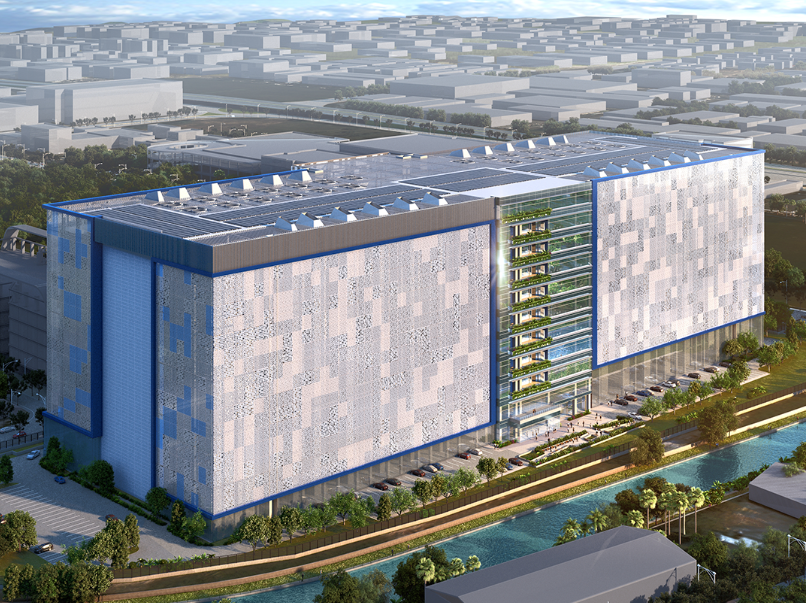
state-backed-AI-research-infrastructure
AI

Singapore shifts AI towards public research infrastructure

By Debbie WangJanuary 27, 2026No Comments2 Mins Read
Share
Facebook Twitter LinkedIn Pinterest Email
  • Government funding will back responsible, resource-efficient AI and talent development, plus support for industry adoption.
  • The move signals a strategic shift towards public research infrastructure as the core lever of national AI competitiveness.

What happened: Singapore commits S$1 billion for public AI research

Singapore said it will invest more than S$1 billion (about US$779 million) in public AI research through 2030, aiming to strengthen national capabilities and global competitiveness. The announcement came from the Ministry of Digital Development and Information (MDDI) in a press release reported by Reuters.

MDDI said the funding will target priority areas including responsible and resource-efficient AI, and will support talent development spanning pre-university students through to academic faculty. Some of the funds will also build capabilities to support AI adoption by industries, indicating an intent to translate research into deployable tools and practices.

The new commitment adds to earlier state spending. In 2024, Singapore set aside S$500 million to secure high-performance computing resources for AI innovation, and it has committed more than S$500 million to AI R&D through AI Singapore, including development of the Sea-Lion open-source language model for Southeast Asian languages.

Also Read: https://btw.media/all/tech-trends/ai/why-governments-are-building-national-ai-infrastructure/

Why it’s important: national AI funding pivots to public capability

The notable policy signal is not simply the headline figure, but where the money is going. Rather than primarily subsidising individual companies, Singapore is emphasising public research foundations—compute, research centres, and a long talent pipeline—designed to raise baseline capability across the ecosystem. This aligns with Singapore’s stated focus on fundamental and applied AI plus talent development in its national research plan.

That strategy may be more durable than corporate incentives, but it is not risk-free. Public investment can drift into “infrastructure theatre” if it funds impressive facilities without clear pathways to adoption, evaluation and workforce absorption. It also raises practical questions: will SMEs actually gain access to the best compute and models, or will benefits accrue mainly to well-connected institutions and large incumbents?

Singapore’s bet is that public AI capability—not piecemeal firm-level subsidy—will be the competitive moat. Whether that translates into measurable productivity gains, globally relevant research, and accountable deployments will depend on execution and transparency over the next five years.

Also Read: https://btw.media/all/internet-governance/ai-governance-in-asia-how-public-investment-shapes-innovation/

#AI #public investment #Singapore AI policy
Debbie Wang

Related Posts

Dan Caruso: How AI is Driving the Industry Growth

January 28, 2026

Brian Carpenter: Today’s internet no longer recognizable

January 28, 2026

Internet Blackout Continues in Iran

January 28, 2026
Add A Comment
Leave A Reply Cancel Reply

CATEGORIES
Archives
  • January 2026
  • December 2025
  • November 2025
  • October 2025
  • September 2025
  • August 2025
  • July 2025
  • June 2025
  • May 2025
  • April 2025
  • March 2025
  • February 2025
  • January 2025
  • December 2024
  • November 2024
  • October 2024
  • September 2024
  • August 2024
  • July 2024
  • June 2024
  • May 2024
  • April 2024
  • March 2024
  • February 2024
  • January 2024
  • December 2023
  • November 2023
  • October 2023
  • September 2023
  • August 2023
  • July 2023

Blue Tech Wave (BTW.Media) is a future-facing tech media brand delivering sharp insights, trendspotting, and bold storytelling across digital, social, and video. We translate complexity into clarity—so you’re always ahead of the curve.

BTW
  • About BTW
  • Contact Us
  • Join Our Team
  • About AFRINIC
  • History of the Internet
TERMS
  • Privacy Policy
  • Cookie Policy
  • Terms of Use
Facebook X (Twitter) Instagram YouTube LinkedIn
BTW.MEDIA is proudly owned by LARUS Ltd.

Type above and press Enter to search. Press Esc to cancel.