
- Samsung forecasts a 208% year-on-year rise in Q4 operating profit, smashing forecasts and setting a new record.
- AI-related memory shortages and skyrocketing prices are reshaping the semiconductor industry, with implications for device costs and global technology supply chains.
What happened: Profit surge on AI memory demand
Samsung Electronics said it expects its fourth-quarter operating profit to leap to about 20 trillion won (~£10.2bn), more than triple the level a year earlier and ahead of analyst estimates. This would be the company’s highest quarterly profit on record, beating the previous peak set in 2018.
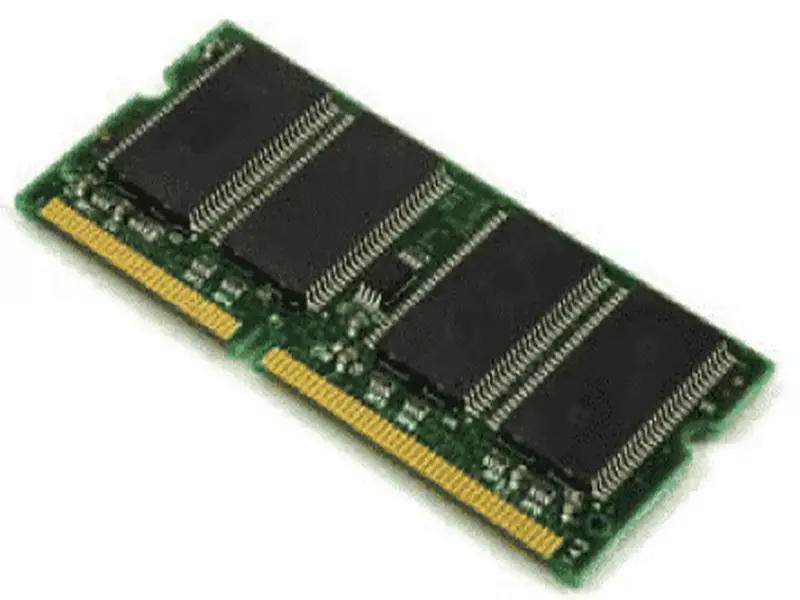
The sharp rise stems from explosive demand for memory chips — especially DRAM — used in artificial intelligence infrastructure and data centres. Contract prices for some DRAM types jumped over 300% year-on-year in the October-December period, according to market trackers.
Samsung also projects 23 per cent annual revenue growth to roughly 93 trillion won for the quarter, with its semiconductor division responsible for the bulk of profits. Shares have climbed to record highs as investors price in the strength of the ongoing AI-driven memory chip cycle.
Also Read: Samsung Electronics touts HBM4 progress as memory market competition intensifies
Also Read: Baidu’s Kunlunxin files confidentially for Hong Kong IPO amid China’s AI chip push
Why it’s important
The surge in profits highlights how the artificial intelligence boom is transforming the global chip market. Memory chips — both conventional DRAM and advanced High-Bandwidth Memory (HBM) — are critical to training and running large AI models, and tight supply has driven prices sharply higher.
This dynamic could persist well into 2026 and beyond: analysts expect undersupply of memory chips as data centre build-outs continue and few new fabrication plants come online immediately. Samsung’s next-generation HBM4 chips have received positive feedback from customers, potentially strengthening its position against rivals such as SK Hynix.
With memory becoming a more valuable component, costs for smartphones, PCs and other devices could rise — a concern echoed by industry analysts. t the same time, Samsung’s success may signal a longer-term “AI memory supercycle” where chipmakers expand capacity and technology to meet sustained demand.
Overall, Samsung’s results underscore how AI is not only a software revolution but now a hardware-driven economic force, with memory chips at the core of future technology growth.
