
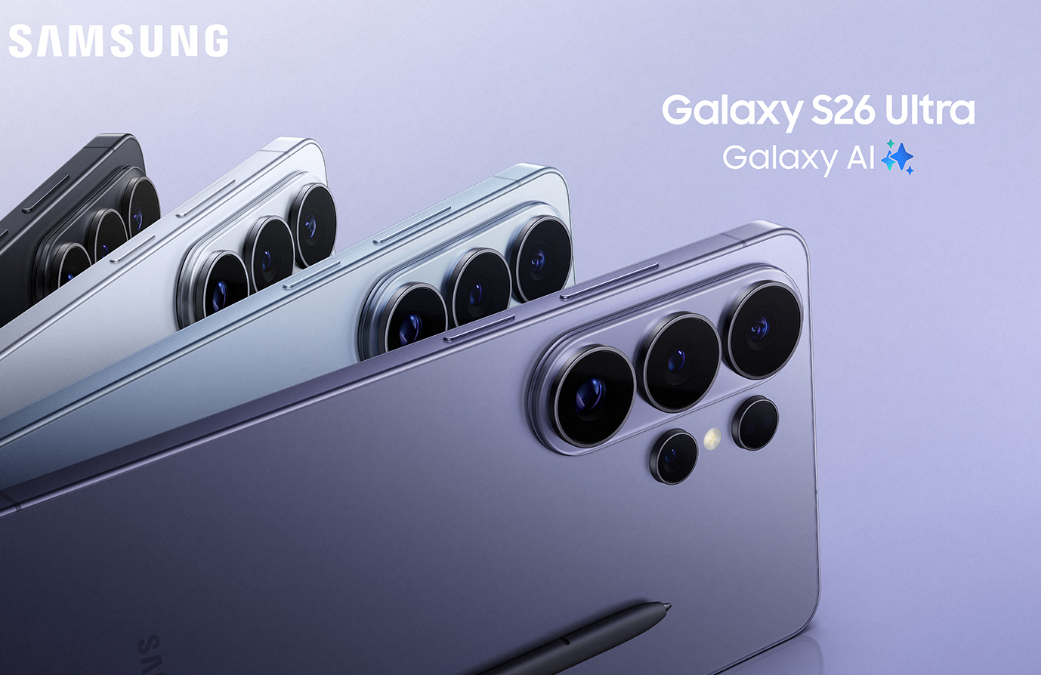
- Samsung’s Galaxy S26 boosts on-device AI with a custom Snapdragon 8 Elite Gen 5 chip and expanded features.
- Enhanced neural processing aims at proactive assistance, but real-world benefits remain to be proven.
What Happened
Samsung has unveiled its new Galaxy S26 flagship phone, placing a heavier emphasis on artificial intelligence and custom silicon to deliver smarter mobile experiences. The headline change is the inclusion of a bespoke version of Qualcomm’s Snapdragon 8 Elite Gen 5 chip, developed in close collaboration for Samsung’s latest flagship.
According to performance figures shared around the launch, this custom chipset delivers around 19% faster CPU performance, a 24% boost in GPU throughput, and a 39% improvement in the Neural Processing Unit (NPU) for AI tasks. On-device AI functions include smarter background processing and support for new proactive features. Samsung hopes it will make the phone feel more intuitive in daily use.
Notably, the device launch follows Samsung’s broader strategy to tightly integrate Galaxy AI throughout the ecosystem, including tools such as predictive suggestions and image editing assistants. The S26 series also offers camera and battery tweaks, though leaks suggest that some core hardware remains similar to previous models outside of the AI enhancements.
Why it’s important
Samsung’s move to custom-tuned silicon marks a clear shift from standard off-the-shelf chips towards hardware optimized for on-device AI workloads. For consumers and developers, this could mean faster and more responsive AI features without always relying on cloud processing.
However, there are reasons for skepticism. Early improvements in performance metrics do not always translate into everyday benefits for users. Will proactive AI features genuinely simplify routine tasks, or will they add complexity? And how will Samsung balance AI’s resource demands with battery life and device cost?
Another consideration is consistency across markets. Samsung has previously split chipset strategies between regions, with its own Exynos silicon appearing outside North America in some models. Differences in performance and feature support depending on region may complicate both consumer choices and developer optimization.
Finally, while AI is a growing theme across the smartphone industry, tangible user value hinges on seamless integration and clear use cases. As competitors like Apple and Google also double down on on-device intelligence, Samsung’s AI pitch will face scrutiny on both utility and execution.
