
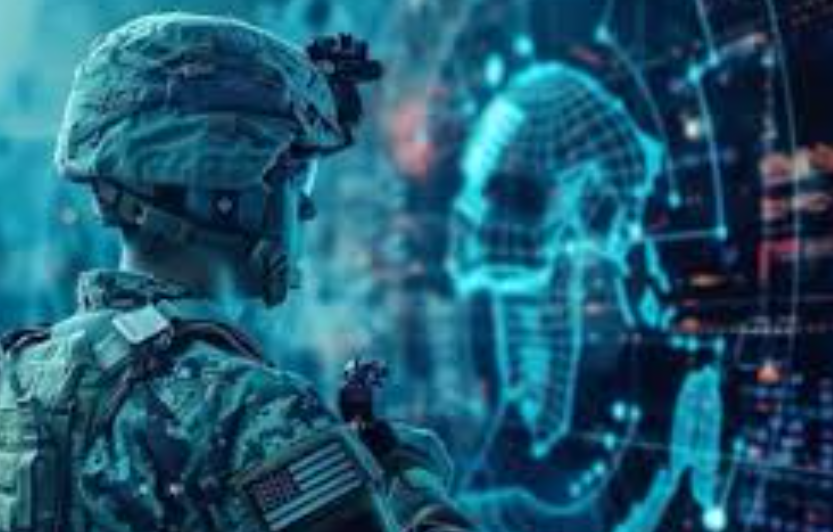
- Talks between the Pentagon and Anthropic have stalled over proposed restrictions on the use of AI for autonomous weapons and domestic surveillance.
- The dispute highlights tensions between ethical AI safeguards and national security demands in emerging battlefield technology.
What happened
Officials from the US Department of Defense and artificial intelligence startup Anthropic have reached an impasse in discussions about how the company’s AI models could be used for defense purposes, according to people familiar with the matter. The standoff arises from a contract worth up to $200 million, under which Anthropic has been in negotiations with the Pentagon about expanding the use of its AI technology in military applications.
The core of the disagreement centres on safeguards that would prevent the government from using Anthropic’s AI for potentially autonomous weapons targeting and domestic surveillance without sufficient human oversight. Pentagon officials reportedly argue that, as long as AI tools comply with US law, they should be broadly deployable for national defense uses; Anthropic has maintained stricter usage policies designed to avoid harm.
Sources say the company’s position on ethical constraints has intensified friction with the Trump administration. Anthropic is preparing for a future public offering and has actively sought to shape government AI policy while courting national security contracts.
Anthropic is not alone; it was one of several AI developers, including Google, OpenAI, and Elon Musk’s xAI, that secured Pentagon contracts last year to develop advanced AI workflows aimed at national security missions.
Also Read: https://btw.media/all/it-infrastructure/tesla-commits-2bn-to-xai-as-cybercab-timeline-reasserted/
Why it’s important
This dispute underscores a fundamental tension in the deployment of commercial AI technologies for defense: how to balance ethical safeguards with the operational imperatives of national security. Ethically cautious AI design, as advocated by some in the industry, emphasizes human oversight and harm minimization—principles that can conflict with military requirements for autonomy, rapid decision-making, and battlefield effectiveness.
From a policy perspective, the impasse illustrates the growing challenge for governments and firms trying to align advanced AI capabilities with legal, ethical, and strategic frameworks. It also raises questions about whether private companies can effectively impose usage constraints on technology once deployed within national security contexts.
Critics may ask whether developing AI with built-in restrictions will hinder competitiveness or military readiness compared with adversary states that may not impose similar limits. At the same time, defenders of ethical AI argue that unrestrained military use could erode public trust, weaken democratic norms, and create precedents for domestic surveillance. In either case, the Anthropic-Pentagon clash is an early bellwether of how societies will negotiate the future of military AI and its broader implications.
