
- Montour County denies rezoning after residents cite environmental and cost concerns.
- Rejection underscores growing local resistance to data centres supporting AI and cloud operations.
What happened
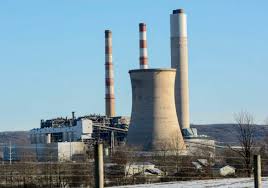
Montour County commissioners in Pennsylvania have refused Talen Energy’s request to rezone several hundred acres of land from agricultural to industrial use, a step needed for a proposed data centre project in Danville. Local opposition had been building for months, with residents expressing worries over rising electricity bills and potential environmental harm.
Talen Energy, which operates nuclear and gas-fired power plants, said it remains committed to pursuing the project and will continue discussions with both the county and the community to refine its plans. The proposed rezoning would have enabled data centre co-location for companies like Amazon, connecting server facilities directly to Talen’s power sources, similar to arrangements elsewhere in Pennsylvania.
Also Read: Alphabet targets bond market to finance AI infrastructure expansion
Also Read: Alphabet moves to secure clean power for AI growth
Why it’s important
The rejection highlights an intensifying trend of local resistance to large-scale data centre projects across the U.S., particularly those linked to artificial intelligence and cloud computing. Analysts from consultancy Capstone suggest Talen and Amazon may either redouble efforts locally or seek alternative brownfield sites in the state, signalling potential delays and increased project costs.
This incident reflects the growing tension between national infrastructure ambitions and local governance priorities, with communities asserting influence over developments affecting environmental, social, and economic conditions. The decision also underscores that, despite the influx of capital from Big Tech and the power industry, community concerns—ranging from energy costs to land use—can still significantly impact project feasibility.
As AI and cloud computing continue to drive demand for data centre expansion, the Montour County case illustrates the delicate balancing act companies face in aligning corporate infrastructure goals with local stakeholder interests.
