
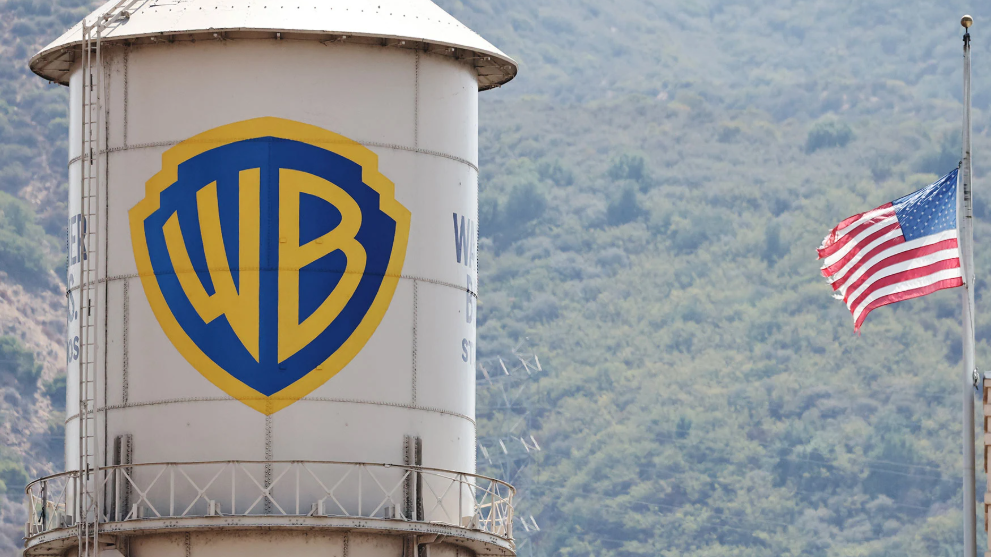
- Paramount has enhanced its hostile takeover offer, adding a quarterly payment and agreeing to cover a Netflix breakup fee.
- Warner Bros.’ board has not shifted support, and regulatory and shareholder scrutiny will shape the outcome.
What Happened
Paramount Skydance Corporation has sweetened its offer to buy Warner Bros. Discovery by adding fresh incentives to its $30-per-share, all-cash proposal. The company announced on Tuesday that shareholders would receive a 25-cent per share “ticking fee”—roughly US$650 million in value per quarter—for every quarter the deal fails to close after December 31, 2026. Even with these enhancements, the headline price per share remains unchanged.
In a bid to lower barriers to its proposal, Paramount also agreed to fund the US$2.8 billion termination fee that Warner Bros. Discovery would owe Netflix if it walks away from the streamer’s existing merger agreement. Paramount further offered to address potential financing costs tied to Warner’s debt exchange, pledging to reimburse up to a reported US$1.5 billion if that exchange fails and the proposed deal does not close.
The enhanced offer is backed by substantial equity and debt commitments, including personal guarantees from billionaire backers and financing from major banks, and Paramount extended the tender offer deadline into early March 2026. Despite these changes, Warner Bros.’ board—which has previously and unanimously recommended shareholders reject Paramount’s proposals—has continued to support a rival deal with Netflix for the company’s studio and streaming assets.
Why It’s Important
The ongoing tug-of-war over Warner Bros. Discovery highlights how consolidation efforts in the media and entertainment sector are increasingly shaped by competitive bidding and regulatory oversight. Paramount’s added incentives are an attempt to make its deal more attractive amid concerns that its base offer may fall short of what the Warner board and shareholders see as superior value. Yet maintaining the same per-share price raises questions about whether financial sweeteners alone can sway skeptical investors.
The backdrop is also a broader regulatory and antitrust environment. Both the Department of Justice and other regulators are scrutinizing the deals, especially given the market power of streaming platforms and the competitive influence of giants like Netflix. Whether Paramount’s offer can withstand this scrutiny and beat Netflix’s rival proposal will hinge on regulatory decisions, shareholder sentiment, and evolving market dynamics.
Moreover, the dispute raises industry concerns about consolidation and cultural concentration of media assets. Critics of large takeovers argue that such mergers can reduce competition, limit creative diversity, and prioritize financial engineering over long-term content strategy—aspects that may weigh on both regulatory review and public perception as the battle for Warner Bros.’ future unfolds.
