
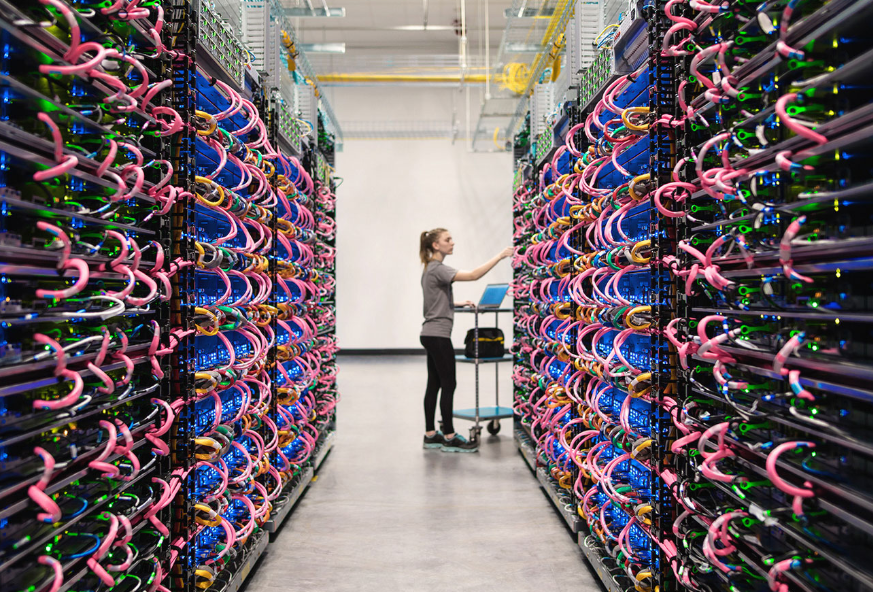
- Oracle and OpenAI have ended plans to expand a major AI data centre project originally intended to support growing model training demands.
- The decision highlights how the economics of large-scale AI infrastructure remain uncertain despite surging industry investment.
What Happened
Oracle and OpenAI have abandoned plans to expand a flagship data centre project designed to support artificial intelligence workloads, according to the report.
The proposed expansion had been expected to add capacity for large-scale AI model training and deployment. These facilities typically house thousands of specialized chips and networking equipment used to process vast amounts of data required by modern AI systems.
However, the companies have now decided not to proceed with the expansion. Details of the decision remain limited, but the report suggests the move reflects changing priorities and the immense cost of building AI infrastructure.
Data centres have become one of the most capital-intensive parts of the generative AI ecosystem. Training large language models can require enormous computing clusters powered by graphics processing units (GPUs) and high-performance networking.
OpenAI relies heavily on cloud infrastructure partners to run its AI models. Microsoft has been the company’s primary cloud provider, investing billions of dollars into the partnership and supplying compute resources through its Azure platform.
Oracle has also been positioning itself as a provider of infrastructure for AI workloads. The company has promoted its cloud platform as capable of supporting large-scale AI training and inference tasks.
Despite these ambitions, the halted expansion suggests that building and scaling AI infrastructure can involve complex strategic decisions. The companies may instead prioritize other projects or existing facilities.
Also Read: https://btw.media/all/it-infrastructure/openai-nvidia-ceos-to-announce-uk-data-centre-investments/
Why It’s Important
The decision underscores the enormous financial and logistical challenges behind the AI boom. Companies racing to develop more powerful models require massive computing resources, which can cost billions of dollars to deploy and operate.
Cloud providers and AI developers have announced a wave of new data center investments in recent years. However, the pause in this project indicates that not every expansion plan moves forward as expected.
The economics of AI infrastructure remain uncertain. Hardware shortages, energy demands, and regulatory concerns can all affect data centre planning.
Another factor is competition among cloud providers. Companies such as Microsoft, Amazon, and Google already operate extensive global infrastructure networks. New projects must compete against these established ecosystems.
For OpenAI, strategic alignment with cloud partners will remain critical. Infrastructure decisions can shape how quickly the company scales its models and services.
The episode also raises a broader question for the industry: whether the rapid build-out of AI data centers is sustainable over the long term. While demand for AI computing power continues to rise, companies must still balance expansion against financial risk and operational complexity.
Also Read: https://btw.media/all/it-infrastructure/global-data-centre-investment-set-to-soar-to-3t/
