
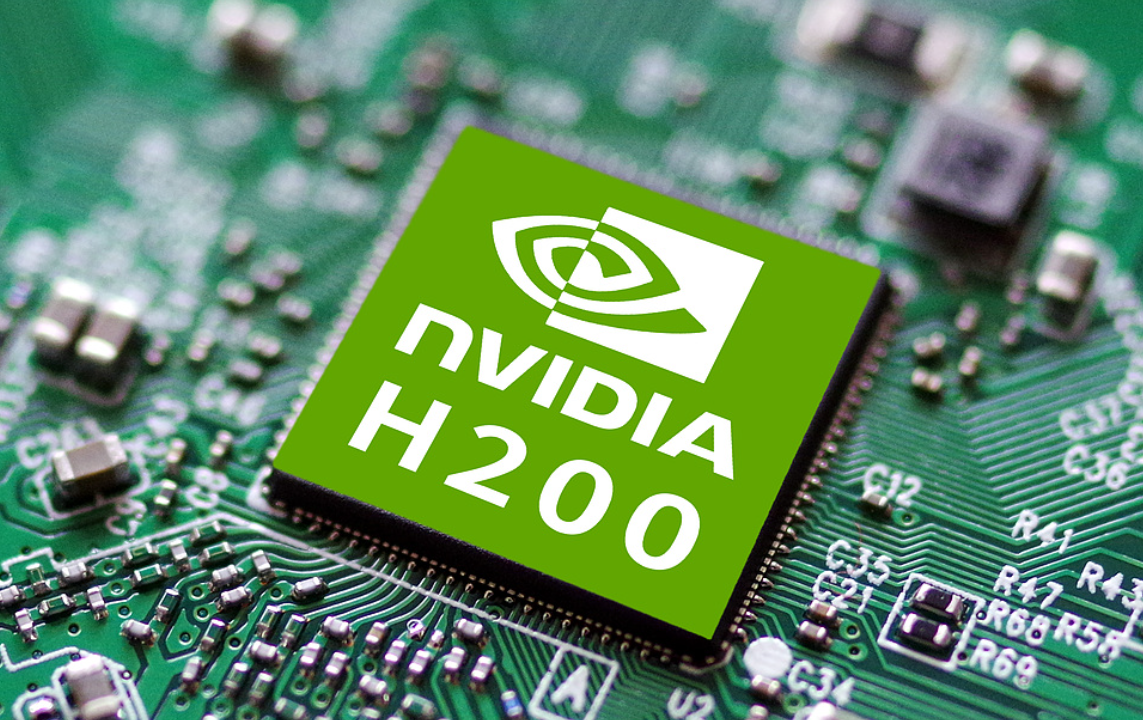
- US authorities have delayed final licenses for Nvidia’s H200 chip exports to China.
- The hold-up has stalled Chinese orders and added uncertainty to the AI chip market.
What Happened
Nvidia’s efforts to sell its advanced H200 AI chips in China have been slowed by an ongoing US national security review, according to a report by the Financial Times. Although the Commerce Department had initially cleared the exports, the final licenses have yet to be issued as other parts of the US government press for tighter controls.
The H200 is one of Nvidia’s most powerful AI accelerators, designed for large-scale model training and inference. Industry sources say Chinese buyers have largely paused orders while they wait for clarity on the licensing process.
In January, Chinese authorities conditionally approved purchases of H200 chips by several major technology companies, including DeepSeek, ByteDance, Tencent, and Alibaba. Those approvals have not translated into actual shipments, reflecting the unresolved US review.
Nvidia has not publicly confirmed when, or if, the licenses will be granted. Chief Executive Jensen Huang has said the company hopes for a resolution, but the timing remains uncertain.
Also Read: https://btw.media/tech-trends/nvidia-develops-new-ai-chip-for-china-amid-us-export-control/
Why It’s Important
The delay highlights how geopolitics now shapes the global AI hardware market. Access to cutting-edge chips like the H200 is seen as critical for companies building advanced AI systems, but governments are increasingly treating these technologies as strategic assets.
For Nvidia, the standoff threatens one of its most important markets. China has been a significant source of demand for AI chips, and prolonged restrictions could weigh on future sales. At the same time, the uncertainty may push Chinese firms to accelerate efforts to develop domestic alternatives, potentially reducing their reliance on US suppliers over time.
The situation also reflects wider tensions between Washington and Beijing over technology, national security, and industrial policy. Export controls are becoming a central tool in that rivalry, with direct consequences for companies and customers.
More broadly, the case underscores a dilemma facing the AI industry. Cutting-edge hardware drives innovation, but its distribution is increasingly governed by political rather than purely commercial considerations. How regulators balance security concerns with market access will shape the next phase of the global AI race.
Also Read: https://btw.media/it-infrastructure/nvidia-approves-samsungs-hbm3-for-china-market-gpus/
