
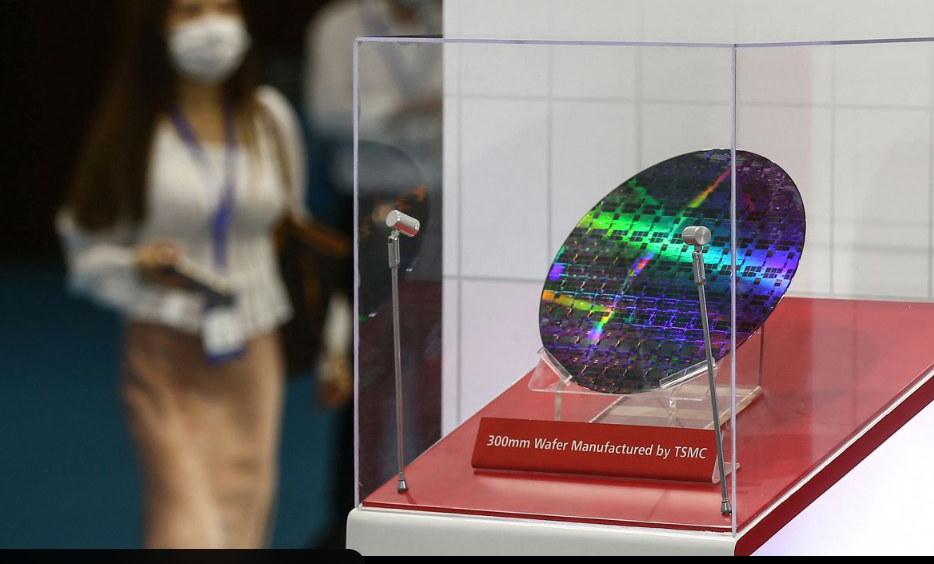
- Nvidia CEO Jensen Huang encouraged Taiwanese partners to boost production to meet strong global AI demand.
- The warm reception highlights the geopolitical and supply-chain significance of Taiwan in the chip ecosystem.
What happened
Nvidia’s co-founder and chief executive Jensen Huang capped a visit to Taipei by publicly praising the company’s major Taiwanese suppliers and pushing them to increase production amid surging demand for artificial intelligence hardware. The remarks came during a rain-soaked impromptu press gathering outside a restaurant where Huang had hosted these executives for a “trillion-dollar dinner,” named for the combined market capitalization of attending firms.
Huang, who was born in Taiwan and emigrated to the United States as a child, was mobbed by local supporters throughout the visit—a phenomenon local media have playfully labelled “the people’s dad.” He used the occasion to predict another strong year for business and repeatedly attributed Nvidia’s success to the strength of Taiwan’s technology ecosystem. Taiwanese companies such as TSMC, Foxconn, and other suppliers are central to Nvidia’s AI chip supply chain.
Huang’s comments also referenced the broader challenge of meeting global appetite for AI accelerators and related components, implicitly acknowledging ongoing supply constraints in memory, wafer capacity, and advanced packaging. Taiwan’s semiconductor sector remains a linchpin in global AI infrastructure, underpinning hardware used by cloud providers, data centers, and technology firms worldwide.
Why it’s important
Nvidia’s exhortations to its partners highlight the uneven nature of global semiconductor supply chains and the strategic importance of Taiwanese manufacturers. While Taiwan’s role in producing advanced logic chips and packaging is well established, the high-profile pressure from Nvidia also reflects ongoing doubts about whether capacity can scale quickly enough to keep pace with demand driven by AI workloads.
The enthusiasm Huang encountered may reflect his personal popularity and the pride many Taiwanese feel in their role within the global technology industry. Yet the exuberant reception also raises questions about overreliance on a narrow geographic hub, particularly given geopolitical tensions between China, Taiwan, and the United States that could disrupt supply chains.
Moreover, urging suppliers to produce more chips does not address underlying structural issues such as limited wafer fabrication capacity outside Taiwan, long lead times for specialized semiconductor equipment, and competition for advanced packaging services. These factors contribute to what some analysts describe as an AI hardware bottleneck that could slow deployment of next-generation AI systems and inflate costs for users.
Ultimately, this Taiwan visit serves as a reminder that while corporate leaders may celebrate strong demand, the industry’s ability to fulfill that demand depends on complex global collaboration and resilient supply-chain strategies.
Also Read: https://btw.media/all/company-stories/smsglobal-strengthens-australias-messaging-infrastructure/
