
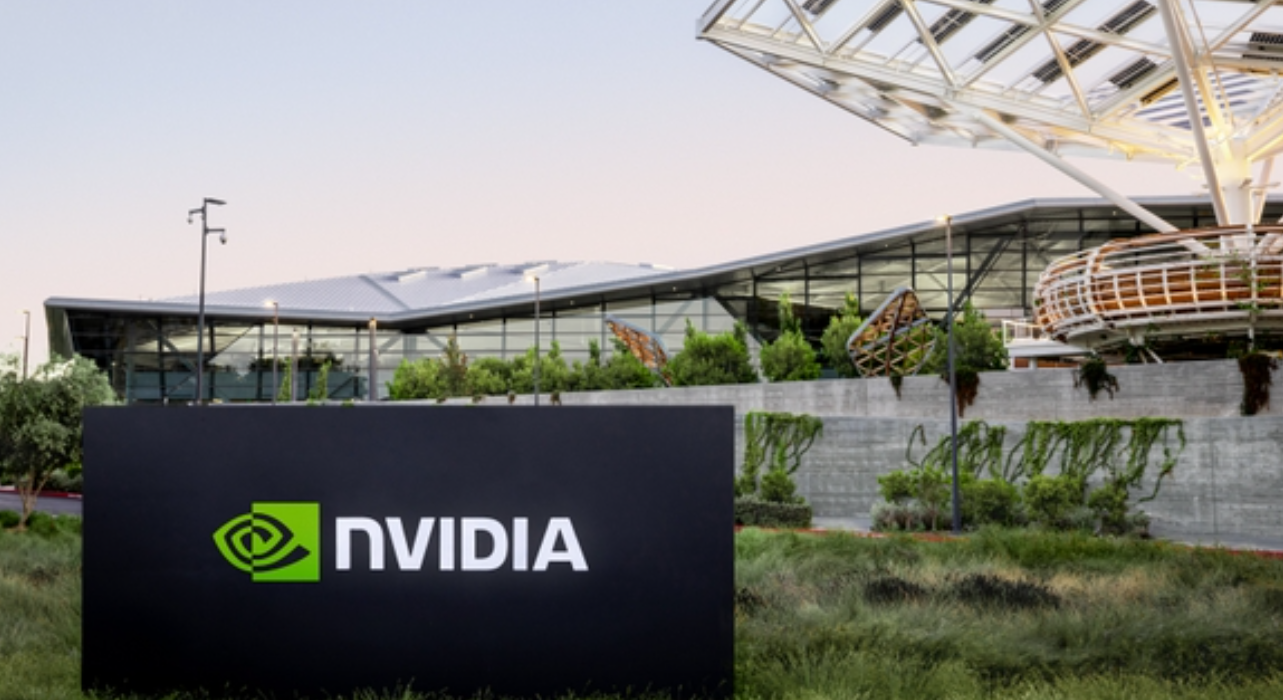
- Nvidia is nearing a deal to put about $20 billion into OpenAI’s ongoing funding round.
- The potential investment reflects intensified competition and scrutiny over sustainable AI financing and strategic hardware partnerships.
What Happened
Nvidia is nearing a deal to invest around $20 billion in OpenAI’s latest funding round, according to Bloomberg, which cited people familiar with the matter. The talks are advanced but not yet final, and the terms could still change before any agreement is signed.
OpenAI is seeking to raise as much as $100 billion in total funding, a round that could value the company at about $830 billion. Other major investors, including Amazon and SoftBank, are also in discussions to participate, underscoring how much capital is now flowing into leading AI developers.
The prospective investment builds on an existing relationship between the two companies. Nvidia’s chips are central to training and running OpenAI’s large language models, making the partnership both commercial and strategic.
Last September, Nvidia and OpenAI discussed a much larger potential investment of up to $100 billion to support AI infrastructure, but that plan was never finalized and was widely described as non-binding. Nvidia has since signalled that any eventual commitment would likely be smaller.
Nvidia chief executive Jensen Huang has publicly said the company intends to invest “a great deal of money” in OpenAI and to join future funding rounds, while dismissing reports of tension between the two firms.
Why It’s Important
The potential $20 billion investment shows how tightly AI software and hardware are becoming intertwined. OpenAI depends heavily on Nvidia’s GPUs, while Nvidia benefits from demand created by OpenAI’s models. The deal would formalize that interdependence with a large equity stake.
At the same time, the move raises questions about the sustainability of AI financing. OpenAI’s planned valuation of $830 billion is far higher than most traditional technology companies, and some investors worry that expectations could outpace revenues.
There are also concerns about “circular financing,” where chip suppliers invest in their own major customers. Critics say this can blur the line between strategic investment and efforts to secure future demand.
Competition is another factor. Microsoft, Amazon, and SoftBank are all deepening their own AI bets, either through direct investments or massive cloud infrastructure spending. How capital is allocated in this round could shape the balance of power in generative AI for years to come.
For Nvidia, the decision also carries risk. A large equity stake would tie more of its fortunes to OpenAI’s performance at a time when regulators are scrutinizing big tech’s role in the AI ecosystem.
