
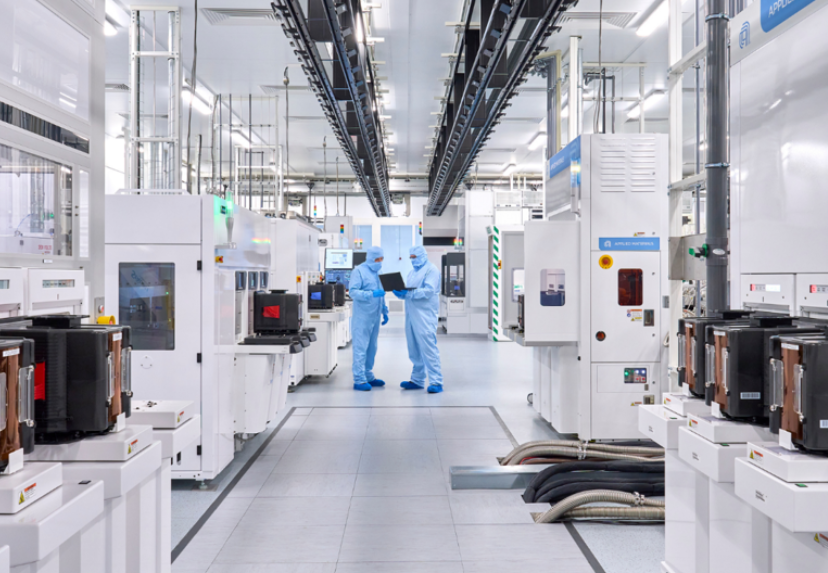
- Nexperia’s Chinese division claims it can produce chips using 12-inch wafers, a capability reportedly not available at its Dutch parent facilities.
- The development highlights ongoing tensions around technology transfer and semiconductor independence.
What Happened
A Chinese subsidiary of semiconductor company Nexperia says it has begun producing chips using 12-inch wafers, a manufacturing capability that its Dutch parent company does not currently operate, according to the report.
The claim emerged from statements by the Chinese arm of the company, which suggested it had advanced production capacity beyond that of Nexperia’s European operations. Twelve-inch wafers, also known as 300mm wafers, are widely used in modern semiconductor fabrication because they allow more chips to be produced per wafer, improving efficiency and reducing costs.
Nexperia, headquartered in the Netherlands, specializes in power semiconductors and discrete components used in consumer electronics, automotive systems, and industrial equipment. The company itself is owned by Chinese semiconductor group Wingtech Technology, a structure that has drawn attention from regulators and policymakers in Europe.
According to the report, the Chinese subsidiary’s claims appear to highlight a manufacturing capability that is not present at Nexperia’s European sites, which currently operate with 200 mm wafer production. The situation raises questions about how technology, expertise, and investment are distributed across the company’s global footprint.
The issue also sits within a broader geopolitical context. Governments in Europe, the United States, and Asia are increasingly concerned about semiconductor supply chains and technological sovereignty. As a result, ownership structures and technology flows between multinational chip firms and Chinese entities have become a focus of scrutiny.
Also Read: https://btw.media/all/it-infrastructure/global-data-centre-investment-set-to-soar-to-3t/
Why It’s Important
The claim illustrates how semiconductor manufacturing capacity has become a strategic issue for governments and technology companies alike. The ability to produce chips using larger wafers is often associated with more advanced or efficient fabrication processes.
If Nexperia’s Chinese unit is indeed operating with 300 mm wafer capability while its European parent remains limited to smaller wafers, it could highlight differences in investment priorities and manufacturing strategy.
However, the development also raises several unanswered questions. Manufacturing on 300 mm wafers does not automatically imply cutting-edge semiconductor nodes. Many facilities using 300 mm wafers still produce mature-node chips rather than the most advanced processors.
Still, the optics of a Chinese subsidiary appearing to surpass its European parent in certain manufacturing capabilities may feed ongoing debates about industrial policy and technological competitiveness.
For European policymakers, the situation underscores concerns about maintaining domestic semiconductor capacity. The European Chips Act, introduced by the European Union, aims to strengthen the region’s chip manufacturing ecosystem and reduce reliance on external supply chains.
Whether Nexperia’s structure ultimately benefits European industry or contributes to further technological fragmentation remains an open question in the evolving global semiconductor landscape.
Also Read: https://btw.media/all/it-infrastructure/china-presses-netherlands-over-nexperia-chip-dispute/
