
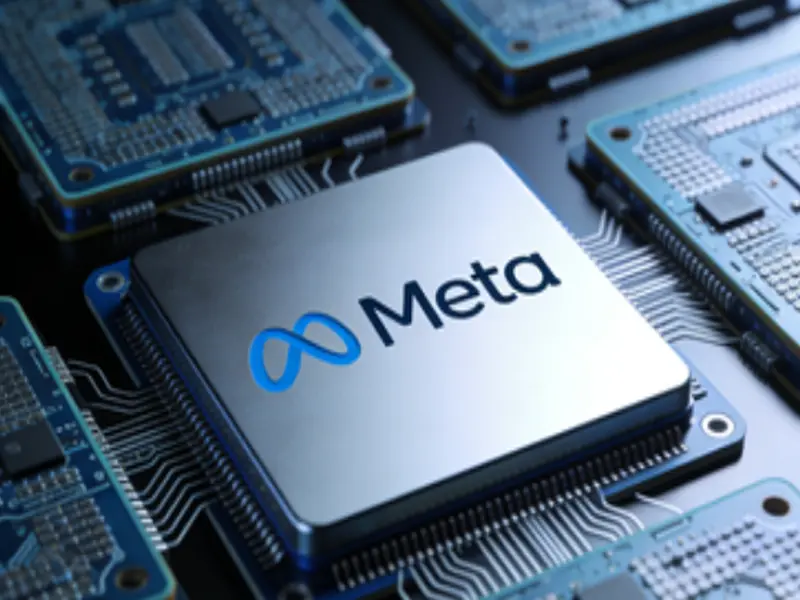
- Meta plans to roll out new batches of its internally designed AI chips as part of a broader infrastructure strategy.
- The move reflects growing efforts by major technology companies to control key hardware used in large-scale AI computing.
What happened: Custom silicon for AI scale
Meta has unveiled plans to deploy next-generation versions of its custom AI accelerators, marking a significant step in the company’s efforts to reduce reliance on third-party chip suppliers.
The new chips are designed specifically for training and inference workloads associated with large language models and other artificial intelligence applications. Meta has been investing heavily in custom silicon as part of a broader strategy to control the infrastructure underpinning its AI ambitions.
By developing its own processors, Meta aims to optimise performance for its specific workloads while potentially reducing costs compared to purchasing generic chips from suppliers such as NVIDIA or AMD. The company has been working on AI chip designs for several years and has been gradually integrating them into its data centres.
Also Read: Oracle prepares job cuts as AI tools reshape operations
Also Read: Google Cloud promotes ‘agentic telco’ vision
Why this is important
Meta’s investment in custom AI chips reflects a broader trend among major technology companies seeking greater control over the hardware that powers their artificial intelligence systems. In-house chip development can provide performance advantages and cost savings for companies operating at massive scale.
The move also highlights the strategic importance of semiconductor technology in the AI race. As demand for AI computing capacity continues to surge, companies that can optimise their hardware infrastructure may gain competitive advantages in deploying advanced AI services.
For the broader telecom and technology industry, Meta’s chip strategy demonstrates how vertical integration is becoming increasingly important in the AI era. Companies across the sector are reassessing their supply chains and infrastructure strategies to ensure they can support growing AI workloads efficiently.
