
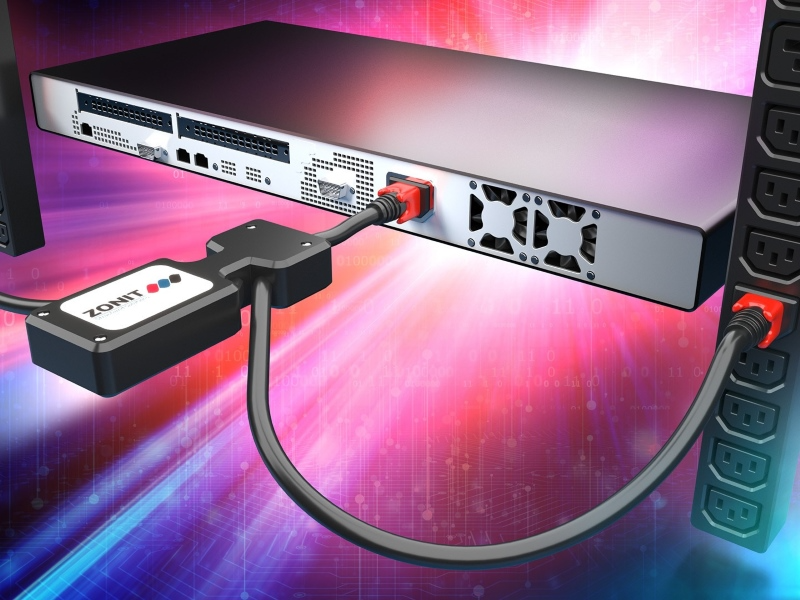
- Power redundancy is implemented to enhance the reliability of critical systems and infrastructure.
- This is particularly important in applications where power interruptions can result in significant financial losses, damage to equipment, or pose risks to safety and security.
Power redundancy is a critical aspect of designing and maintaining reliable and high-availability systems, especially in data centres, telecommunications, and other mission-critical environments. It involves implementing multiple power sources and systems to ensure that a continuous power supply is maintained even in the event of a failure or disruption in the primary power source. In this blog, we’ll delve into what power redundancy is, why it’s important, and how it’s implemented to keep our most critical systems running smoothly.
What is power redundancy
Power redundancy refers to the practice of having multiple power sources and systems in place to ensure a continuous supply of electricity, even if one or more sources fail. It involves having multiple power sources, such as generators, battery banks, or alternative power grids, that can take over in the event of a power failure or outage. It’s essentially a safety net that protects against power disruptions, safeguarding both hardware and operations from potential outages. This approach is vital for systems where uptime is critical, such as data centres, hospitals, and telecommunications networks.
Also read: 5 reasons redundancy is crucial in cloud operations
Also read: How do power transmission and distribution systems work?
Key concepts of power redundancy
Redundant power supplies: One of the most common implementations of power redundancy is the use of redundant power supplies in hardware. Many servers and critical devices are equipped with dual power supplies. This means that if one power supply fails, the other takes over, ensuring that the device remains operational. Some systems even support hot-swappable components, allowing the replacement of a failed power supply without shutting down the equipment.
Uninterruptible power supplies (UPS): UPS systems are a cornerstone of power redundancy. They provide instant backup power when the main power source fails and also condition power to protect against surges and brownouts. There are various types of UPS systems, for example, offline UPS provides basic backup power. Line-interactive UPS offers additional protection against power fluctuations. Online (double-conversion) UPS delivers the highest level of protection by continuously converting power. These systems ensure that there is no interruption in power supply, allowing critical systems to continue operating during brief outages or until a secondary power source, like a generator, kicks in.
Generators: For longer power outages, generators are essential. Diesel or gas generators serve as a backup power source, providing electricity when the UPS battery is exhausted. Automatic Transfer Switches (ATS) are used to automatically switch the load from the main power source to the generator when an outage is detected, ensuring a smooth transition and continued power supply.
Power distribution: Redundant power paths in data centres and critical facilities help distribute electricity from multiple sources. Power Distribution Units (PDUs) within data centres often have redundant inputs, connecting to separate power sources to enhance reliability. This setup prevents single points of failure in the power distribution network.
Why it’s important
Power redundancy is not just a technical requirement but a strategic necessity for ensuring the uninterrupted operation of critical systems. By understanding and implementing robust power redundancy solutions, organisations can protect their operations from power disruptions and ensure that their systems remain reliable and resilient.
