
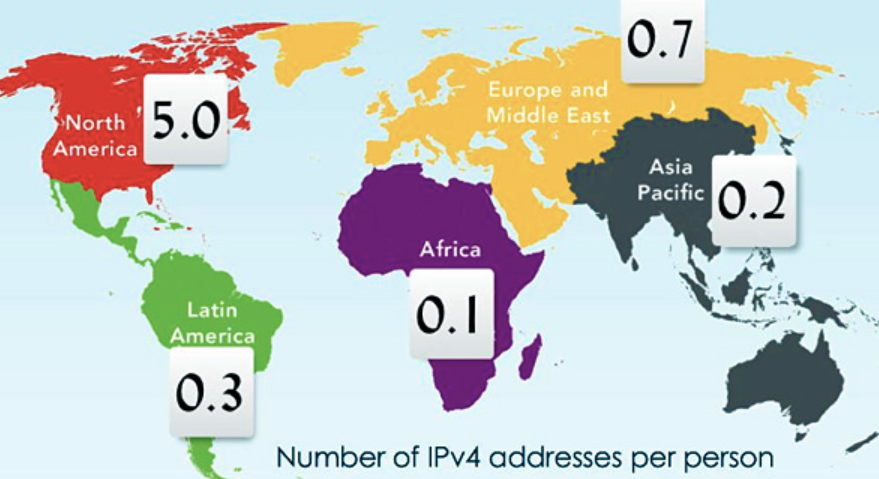
- IPv4 scarcity has transformed address blocks into valuable infrastructure assets that ISPs can price strategically.
- Operators maximise returns by analysing market demand, block size, reputation, and choosing between leasing or selling opportunities.
IPv4 scarcity has transformed address blocks into valuable infrastructure assets, enabling ISPs to adopt strategic pricing approaches. This guide walks you through the key considerations for pricing your IPv4 inventory strategically.
Why IPv4 pricing matters
IPv4 addresses are no longer readily obtainable. The global free pool was exhausted years ago, yet demand continues to grow. Consequently, network operators now treat IPv4 blocks as infrastructure assets rather than simple technical identifiers.
The emergence of a secondary IPv4 market was inevitable once exhaustion occurred, according to industry observers across major Regional Internet Registries. This market now fundamentally shapes how ISPs value and price address space.
BTW previously examined this shift in Why IPv4 Scarcity Makes IP Addresses the Most Valuable Digital Asset for ISPs. The related article What Makes an IP Address a Form of Digital Capital further explains how scarcity, routability, and registry recognition give IPv4 blocks economic value.
For operators holding substantial address allocations, pricing strategy now plays a direct role in both revenue generation and network planning.
Factors that influence IPv4 pricing
Before setting prices, evaluate these critical factors:
Block Size. Larger blocks command premium value because buyers prefer aggregation and simplified routing tables. A /20 block typically carries a higher per-IP value than individual /24s due to routing efficiency.
Address Reputation. Clean address ranges with no spam history attract higher prices, as reputation directly affects email deliverability and service reliability. Consider using reputation checking services before listing.
Regional Demand. Market activity varies significantly by region and industry sector. Hosting providers and cloud services frequently drive demand in specific markets. ARIN (North America), RIPE NCC (Europe), and APNIC (Asia-Pacific) each show distinct pricing patterns.
Lu Heng, an active voice in Internet governance forums including ICANN and the Regional Internet Registries, notes that IPv4 scarcity forces operators to manage addresses like financial assets. Both efficient utilisation and strategic market timing influence overall returns.
Leasing vs. Selling: A Decision Framework
Operators typically face two strategic options when monetising excess IPv4 space. Here’s how to evaluate which approach fits your situation:
Choose Leasing When:
- You have temporary surplus capacity
- You want to retain ownership for future network expansion
- You prefer steady recurring revenue over lump-sum capital
- Market conditions suggest prices may rise
Choose Selling When:
- You have permanent excess capacity
- You need immediate capital for infrastructure investment
- You’re actively transitioning to IPv6
- Current market prices meet your ROI targets
Telecom providers expanding fibre networks often lease excess IPv4 space through specialised marketplaces, generating ongoing income while retaining flexibility to adjust pricing as market conditions evolve.
Alternatively, companies selling unused blocks outright can unlock capital to finance infrastructure upgrades or accelerate IPv6 deployment. The optimal approach depends on your network growth projections, market timing, and capital requirements.
Your Pricing Action Checklist
□ Assess your inventory: Document block sizes, current utilisation rates, and growth projections
□ Check reputation: Verify your address ranges have no spam history or blacklisting issues
□ Research market rates: Review recent transactions in your RIR region (ARIN, RIPE, APNIC, etc.)
□ Decide your model: Lease for recurring revenue, or sell for immediate capital
Pricing IPv4 as Digital Infrastructure
IPv4 markets continue to evolve rapidly. Demand remains robust because countless networks still depend on IPv4 connectivity for daily operations.
For ISPs, pricing decisions now resemble infrastructure investment planning. Operators analyse scarcity trends, market demand signals, and utilisation rates to determine optimal strategies.
In essence, IPv4 addresses function as digital capital. Operators that manage and price them strategically can generate substantial long-term returns.
Also Read: https://btw.media/all/it-infrastructure/what-makes-an-ip-address-a-form-of-digital-capital/
Also Read: https://btw.media/all/internet-governance/how-much-is-an-ipv4-address-worth-in-2026/
