
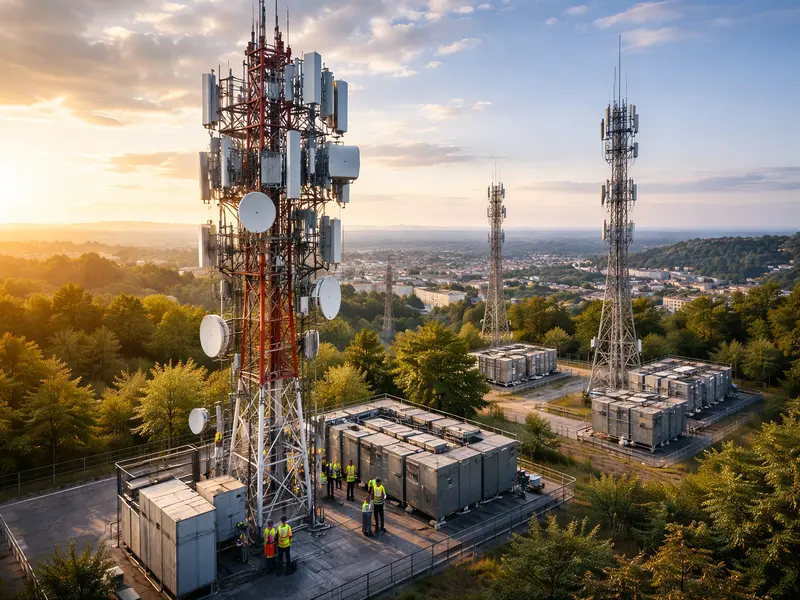
- Cellnex has unveiled a streamlined leadership and business structure to support internal growth
- The shift reflects broader industry recalibration as high interest rates make large acquisitions more costly
What happened: Lean structure for a new era
Spain-based wireless infrastructure giant Cellnex Telecom has approved a fresh organisational structure designed to support organic growth and reduce reliance on the mega-acquisitions that marked its past decade of expansion. The board endorsed the restructuring on 3 February 2026, reflecting a strategic evolution from a heavily acquisitive phase toward a model more focused on internal development and operational efficiency.
Under the new plan presented by CEO Marco Patuano, the company has simplified governance, reducing corporate layers and aligning business units around four core corporate functions—finance, operations, strategy and corporate affairs—and five business lines. Common geographic clusters (France; Alpine region of Italy and Switzerland; Iberia; Northern Europe) and a Europe-wide Vertical Solutions unit are at the centre of the new design.
This marks at least the second significant reorganisation that emphasises organic growth since Cellnex completed its last large-scale tower consolidation deal with CK Hutchison more than three years ago. Industry analysts have noted that elevated borrowing costs throughout 2024 and 2025 have made large leveraged acquisitions less attractive for infrastructure players, prompting firms to extract more value from existing assets and focus on build-to-suit deployments, densification of sites and enhanced tenancy.
Also Read: Cellnex plans Swiss unit sale, DigitalBridge and EQT interested
Also Read: Cellnex Q1 loss deepens on layoffs but guidance stands firm
Why it’s important
The shift underscores a broader capital-allocation rethink among telecom infrastructure companies. High global interest rates have increased the cost of debt finance, weighing on the attractiveness of large takeovers that characterised the sector over the past decade. With macroeconomic headwinds and tighter financing conditions, organic growth—measured through incremental site roll-outs, densification, small-cell deployments and improved tenancy rates—offers a lower-risk path to value creation.
For investors, a stronger focus on organic performance and operational efficiency can mean more predictable cash flows and potentially improved leverage profiles, which are attractive in a high-rate environment. It also aligns with recent financial moves such as Cellnex’s resumed EUR 300 million share buyback programme, aimed at enhancing shareholder returns.
From an industry perspective, the pivot highlights how infrastructure giants are recalibrating strategies in a post-acquisition era, seeking sustainable growth drivers that are less dependent on large capital outlays.
