
Close Menu
  • Leadership Alliance
  • Exclusives
  • History of the Internet
  • AFRINIC News
  • Internet Governance
    • Regulations
    • Governance Bodies
    • Emerging Tech
  • Others
    • IT Infrastructure
      • Networking
      • Cloud
      • Data Centres
    • Company Stories
      • Profile
      • Startups
      • Tech Titans
      • Partner Content
    • Fintech
      • Blockchain
      • Payments
      • Regulations
    • Tech Trends
      • AI
      • AR / VR
      • IoT
    • Video / Podcast
  • Country News
    • Africa
    • Asia Pacific
    • North America
    • Lat Am/Caribbean
    • Europe/Middle East
Facebook LinkedIn YouTube Instagram X (Twitter)
Blue Tech Wave Media
Facebook LinkedIn YouTube Instagram X (Twitter)
  • Leadership Alliance
  • Exclusives
  • History of the Internet
  • AFRINIC News
  • Internet Governance
    • Regulation
    • Governance Bodies
    • Emerging Tech
  • Others
    • IT Infrastructure
      • Networking
      • Cloud
      • Data Centres
    • Company Stories
      • Profiles
      • Startups
      • Tech Titans
      • Partner Content
    • Fintech
      • Blockchain
      • Payments
      • Regulation
    • Tech Trends
      • AI
      • AR/VR
      • IoT
    • Video / Podcast
  • Africa
  • Asia-Pacific
  • North America
  • Lat Am/Caribbean
  • Europe/Middle East
Blue Tech Wave Media
Home » Google warns US grid is bottleneck for data centres
google-warns-us-grid-is-bottleneck-for-data-centres
Data Centres

Google warns US grid is bottleneck for data centres

By Claire ShenJanuary 15, 2026No Comments2 Mins Read
Share
Facebook Twitter LinkedIn Pinterest Email
  • Google says lengthy electrical transmission interconnection times — sometimes more than a decade — are the biggest barrier to bringing new data centres online.
  • Company explores co-location beside power plants to circumvent delays but still prefers traditional grid links.

What happened: Grid woes slow data centre growth

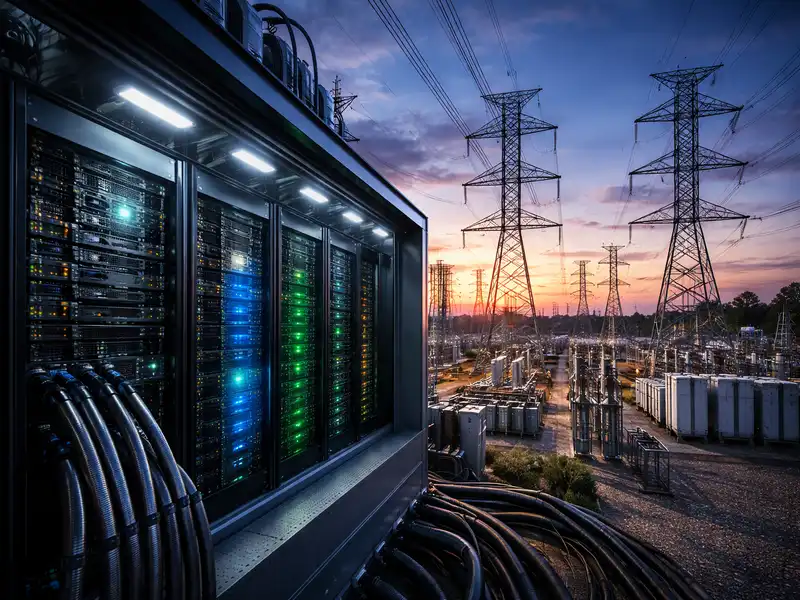
Google has told industry and policymakers that the United States’ electrical transmission system has become the chief obstacle to powering its expanding network of data centres, which are increasingly needed to train and run artificial intelligence systems.

At an American Enterprise Institute event, Marsden Hanna, Google’s Global Head of Sustainability and Climate Policy, said wait times to connect a new facility to the grid can exceed 10 years in some regions, substantially delaying projects.

The long delays stem from outdated transmission infrastructure and protracted permitting processes, Hanna explained, insisting that the solution requires reform of how new lines are approved and improved utilisation of existing systems.

As a workaround, Google is exploring co-location arrangements — building data centres adjacent to power plants to sidestep lengthy interconnection studies — though this raises questions about costs, regulatory treatment and responsibility for infrastructure investments.

Despite experimentation with co-location, Google’s stated preference remains to connect directly to the grid once systemic barriers are addressed.

Also Read: Apple and Google forge AI partnership with Gemini models to power next-generation Siri
Also Read: Apple and Google deepen AI ties with multi‑year gemini deal

Why it’s important

The issue highlights a growing tension in the U.S. energy and technology sectors. AI-focused data centres consume vast amounts of electricity, and projected demand growth is prompting scrutiny of how well the grid can cope.

Data centres already represent a substantial share of electricity use in parts of the country, and without transmission expansion and reform, projects could be delayed or moved overseas, affecting competitiveness.

The challenge also intersects with broader debates about energy policy, including how to balance investment in new transmission lines, renewable generation, and regulatory incentives to ensure stable, affordable power for businesses and consumers alike.

For Google — a unit of Alphabet Inc — and other tech giants racing to expand AI infrastructure, solving these grid bottlenecks will be essential to sustain growth while meeting climate and sustainability goals.

Alphabet Google Marsden Hanna
Claire Shen

Related Posts

IPv4 lease pricing: how to protect your business from IPv4 lease disputes

February 16, 2026

Global EV sales slow as China and US demand softens

February 13, 2026

Batelco partners GCCIA to expand regional fibre connectivity

February 13, 2026
Add A Comment
Leave A Reply Cancel Reply

CATEGORIES
Archives
  • February 2026
  • January 2026
  • December 2025
  • November 2025
  • October 2025
  • September 2025
  • August 2025
  • July 2025
  • June 2025
  • May 2025
  • April 2025
  • March 2025
  • February 2025
  • January 2025
  • December 2024
  • November 2024
  • October 2024
  • September 2024
  • August 2024
  • July 2024
  • June 2024
  • May 2024
  • April 2024
  • March 2024
  • February 2024
  • January 2024
  • December 2023
  • November 2023
  • October 2023
  • September 2023
  • August 2023
  • July 2023

Blue Tech Wave (BTW.Media) is a future-facing tech media brand delivering sharp insights, trendspotting, and bold storytelling across digital, social, and video. We translate complexity into clarity—so you’re always ahead of the curve.

BTW
  • About BTW
  • Contact Us
  • Join Our Team
  • About AFRINIC
  • History of the Internet
TERMS
  • Privacy Policy
  • Cookie Policy
  • Terms of Use
Facebook X (Twitter) Instagram YouTube LinkedIn
BTW.MEDIA is proudly owned by LARUS Ltd.

Type above and press Enter to search. Press Esc to cancel.