
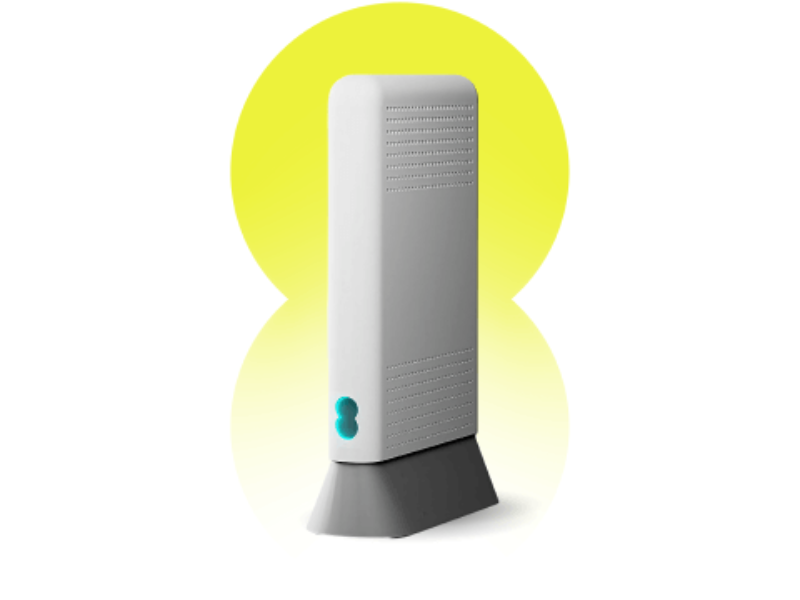
- EE’s Wi-Fi 7 rollout begins with compatible routers and services designed to deliver faster speeds, lower latency and improved capacity.
- The deployment is part of a broader strategy by operators to support growing demand for high-bandwidth applications including gaming, streaming and smart home networks.
What happened: EE launches Wi-Fi 7 in consumer and enterprise markets
UK network operator EE has begun the commercial introduction of Wi-Fi 7, the latest generation of wireless local-area network technology. Wi-Fi 7 — based on the IEEE 802.11be standard — offers higher throughput, enhanced reliability and greater ability to handle multiple simultaneous data streams compared with Wi-Fi 6 and earlier iterations.
EE’s initial rollout centres on new routers capable of delivering multi-gigabit speeds and reduced latency, targeting customers who demand robust performance for data-intensive applications such as cloud gaming, 8K video streaming and augmented-reality experiences. The operator says early adopters will benefit from features including multi-link operation, broader channel bandwidth and improved quality-of-service management.
The launch follows similar moves by other carriers and equipment vendors globally, though commercial availability of Wi-Fi 7 remains limited. By introducing the technology now, EE hopes to position itself as a leader in UK connectivity innovation. Industry observers note that Wi-Fi 7 ecosystems — including chipset, device and access-point support — are still maturing, but early deployments signal confidence in the standard’s potential.
Also Read: Vodafone and EE stress connectivity as vital public service
Also Read: EU reserves upper 6 GHz for mobile use, sparking Wi-Fi concerns
Why it’s important
Wi-Fi 7 represents a step change in wireless connectivity, addressing the growing pressure on home and enterprise networks as bandwidth demands rise. Traditional Wi-Fi has faced constraints in dense environments where multiple devices compete for capacity; Wi-Fi 7’s advanced features help mitigate these challenges by enabling more efficient use of spectrum and increased simultaneous throughput.
For consumers, the benefits should be visible in everyday use: smoother high-definition streaming, faster file transfers across home networks and more responsive gaming experiences. For businesses, particularly those embracing hybrid working, Wi-Fi 7 can support larger numbers of connected devices with better performance guarantees — an important consideration for offices, retail venues and event spaces.
The timing also aligns with broader industry trends, as operators seek to extend connectivity beyond cellular networks into seamless, high-performance indoor environments. As smart home adoption expands and Internet of Things (IoT) devices proliferate, robust Wi-Fi infrastructure becomes essential.
EE’s early adoption may encourage device manufacturers, router makers and enterprise IT teams to accelerate their own Wi-Fi 7 plans. If the technology delivers on its promise, it could usher in a new era of wireless performance that complements 5G and fibre broadband services.
