- Deutsche Telekom delivered solid operational performance in Germany with subscriber gains and stable revenues.
- The results underscore ongoing competitive and regulatory challenges for domestic operators amid 5G rollout and fibre expansion.
What Happened
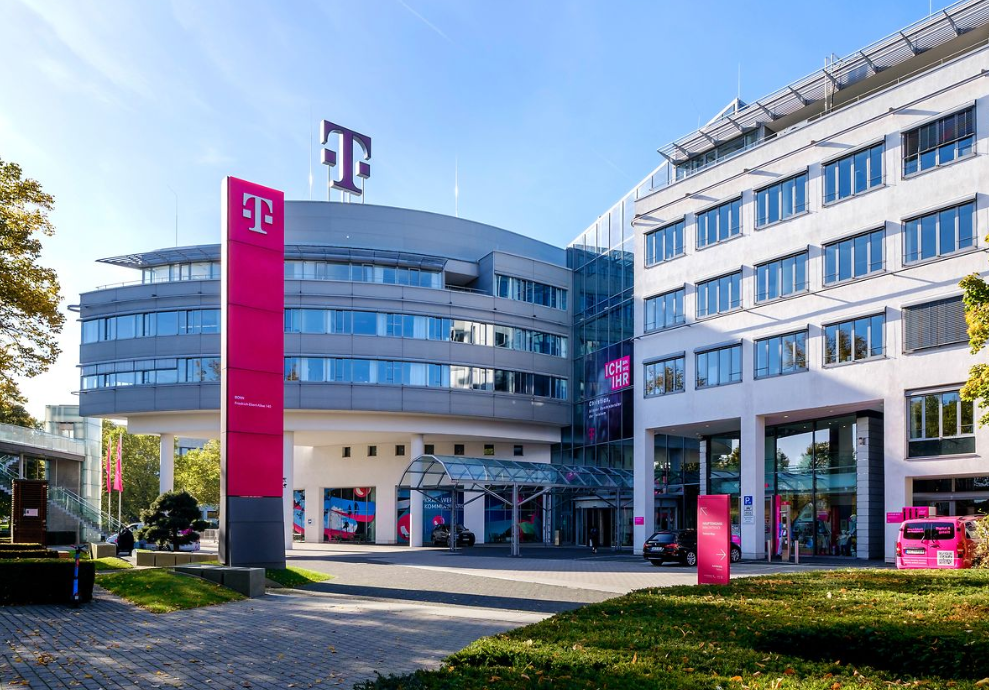
Deutsche Telekom (DT) surpassed expectations in the German market during 2025, reporting a robust performance in both customer additions and service revenues, according to industry reporting on Telecoms.com. The operator benefitted from sustained demand for mobile and fixed broadband services, with net additions across key segments such as consumer mobile, IoT, and converged products.
The company continued to expand its fibre broadband footprint, a strategic priority as Germany pushes to close the digital divide and move away from legacy copper networks. Telekom’s reported growth was supported by disciplined cost management and efforts to improve operational efficiency. Analysts cited in the coverage noted that the operator’s ability to balance investment with profitability contributed to its relatively strong showing compared to domestic rivals.
However, Deutsche Telekom’s domestic results contrasted with broader challenges in Europe’s telecom markets, where competitive pricing, regulatory constraints, and slower adoption of high-margin enterprise services have weighed on profitability. Other German operators, such as Vodafone Germany and Telefónica Deutschland, have faced pressure to maintain market share and profitability amid similar market dynamics.
Also Read: https://btw.media/news/deutsche-telekom-merges-wholesale-operations-into-t-wholesale/
Why It’s Important
Deutsche Telekom’s performance in 2025 highlights several key trends shaping European telecommunications. First, demand for connectivity—particularly 5G mobile and high-speed fibre broadband—remains resilient despite broader economic uncertainties. This reflects sustained consumer and business appetite for faster, more reliable digital infrastructure as remote working, streaming, and cloud services become entrenched.
Second, DT’s results illustrate the importance of cost discipline and strategic network investment in an era of rising CAPEX. Telecom operators across Europe have been increasing capital spending on next-generation mobile and fixed networks, often squeezing margins in the short term. Efficient rollout of fibre and 5G infrastructure—while controlling operational expenditure—can help maintain competitiveness and investor confidence.
Nevertheless, challenges remain. Regulatory frameworks in Germany and the European Union continue to emphasize price competition and consumer protections, which can constrain revenue growth. At the same time, the competitive landscape is shifting as digital service providers and cloud platforms encroach on traditional operator domains, potentially eroding future service revenues.
Telekom’s outperformance also raises questions about market consolidation prospects and the sustainability of investment programs. As operators vie for scale and cost synergies, policymakers face trade-offs between encouraging infrastructure competition and avoiding duplication of costly network builds.
In summary, while Deutsche Telekom’s 2025 results reflect solid execution, they also underscore the complex pressures facing telecom operators as they navigate network modernization, competition, and regulatory expectations.
Also Read: https://btw.media/all/news/deutsche-telekom-launches-ai-ran-guardian-agent/
