
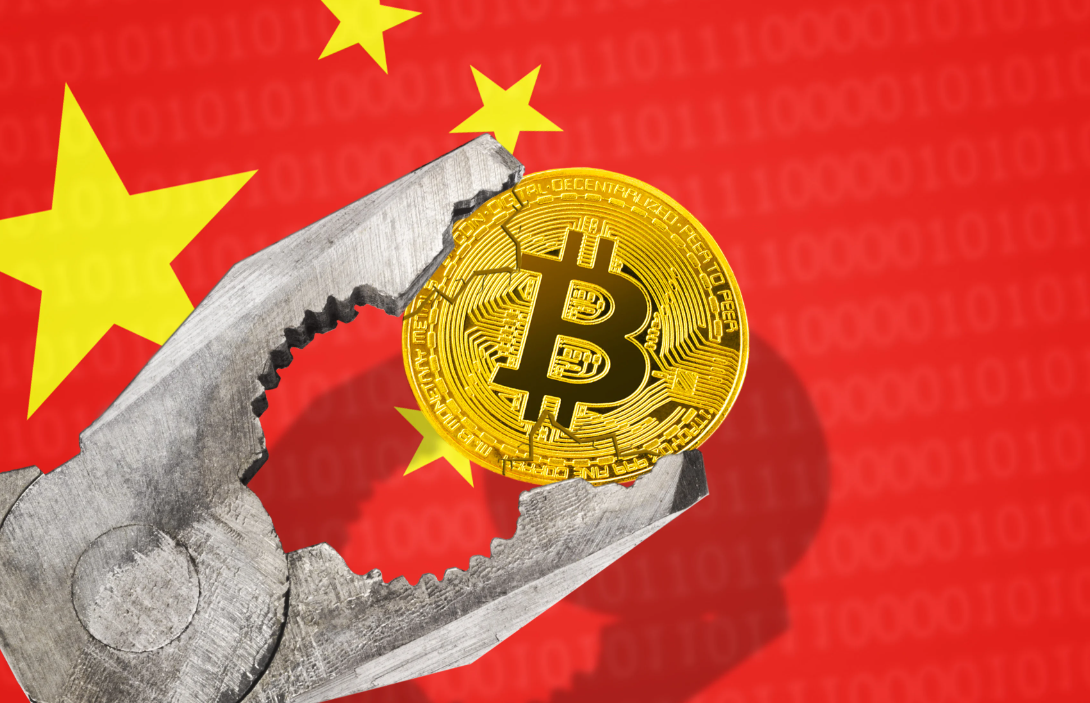
- China’s regulators reaffirmed the ban on crypto and introduced strict vetting for real-world asset token issuance.
- Observers say the move reinforces state control over digital finance but raises questions over innovation and offshore market effects.
What Happened
China’s central bank and other financial regulators have announced a further tightening of rules on virtual currencies, reaffirming that many crypto activities are illegal and expanding controls to cover related tokenization services. The People’s Bank of China (PBoC) said it will ban unauthorized offshore issuance of stablecoins pegged to the yuan and will strictly vet offshore issuance of tokens backed by Chinese onshore assets, according to a notice on its website and reporting by Reuters.
The announcement reiterates Beijing’s longstanding position that operations involving decentralized digital currencies fall outside the legal framework for money and financial services. Chinese authorities have long banned crypto trading and initial coin offerings, with the PBoC deeming all crypto business illegal financial activity under existing rules enacted since 2021.
New guidelines extend this hard-line stance by specifically focusing on real-world asset (RWA) tokens, which represent physical or financial assets on a blockchain. Although virtual currencies remain outlawed, regulators signaled that RWA tokenization could be included in a regulated system rather than being outright prohibited, a distinction some industry observers see as a potential shift in approach.
Experts quoted in coverage noted that China emphasized the role of its official digital currency, the digital yuan, and warned that only it—not a patchwork of private stablecoins—holds legitimate status within its monetary system.
Also Read: https://btw.media/fintech/police-crack-down-on-stablecoin-scams-in-china/
Why It’s Important
China’s intensified crackdown shows that, even as the global crypto ecosystem evolves, Beijing remains deeply wary of decentralized digital assets and the financial risks they pose. By outlawing private stablecoins and vetting RWA token issuance, regulators aim to protect monetary sovereignty and prevent speculative behavior that could undermine domestic markets.
Yet the move also introduces complexities. Real-world asset tokenization has been touted globally as a bridge between traditional finance and digital assets, promising greater liquidity and fractional ownership of physical assets such as real estate and bonds. As defined in broader industry discussions, RWAs aim to bring off-chain assets onto blockchains, but regulatory clarity remains limited.
China’s emphasis on vetting rather than complete prohibition of RWA token issuance suggests a controlled path for digital asset integration, but it also raises questions about how such frameworks will function in practice and whether they will encourage innovation or merely entrench state-backed alternatives. Offshore firms and intermediaries that service Chinese onshore assets now face tighter oversight and compliance obligations under a “same business, same risk, same rules” principle that many analysts see as extending capital controls beyond traditional boundaries.
The impact of these policies may reverberate across global crypto markets, especially in jurisdictions that previously served as hubs for tokenized assets and stablecoins. How other regulators respond—whether by tightening their own frameworks or offering alternative, more permissive environments—could shape the future landscape for digital asset development.
Also Read: https://btw.media/tech-trends/what-is-crypto-industry/
