
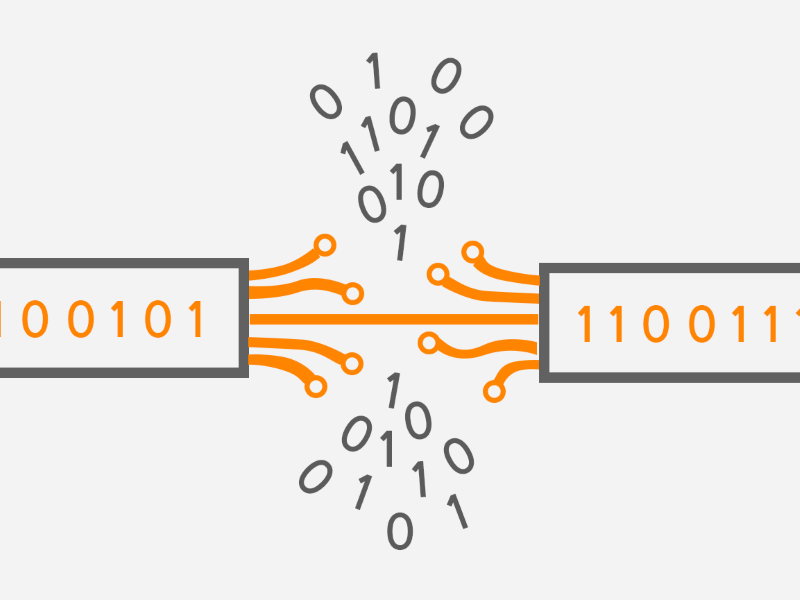
- Packet loss can be a nuisance, especially because it seems to happen randomly and has no immediate fixes.
- A VPN can indeed help fix packet loss on Spectrum but only to a certain extent. You can use a VPN to prevent your ISP from throttling your network bandwidth.
Packet loss can be a frustrating issue for anyone relying on a stable internet connection. If you’ve experienced packet loss, you might have come across the suggestion to use a VPN as a potential solution. But can a VPN fix packet loss? In this blog, you can explore how VPNs work, how they might impact packet loss, and what you can do to address this issue effectively.
Also read: What is packet loss and how to fix it?
What is packet loss
Packet loss occurs when data packets travelling across a network fail to reach their destination. This can result in a variety of problems, including:
Lag and latency: Increased delay in data transmission, which can affect online gaming and streaming.
Reduced quality: Poor video or audio quality in streaming services and VoIP calls.
Application errors: Problems with online applications that rely on real-time data.
Packet loss can be caused by several factors, including network congestion, hardware issues, or unstable connections.
Also read: What are the key protocols for effective network monitoring?
How does a VPN work
A VPN creates a secure, encrypted tunnel between your device and a VPN server. When you use a VPN, your internet traffic is routed through this tunnel, which can offer several benefits. For example, by masking your IP address and encrypting your data, a VPN protects your online activities from prying eyes. VPNs can also help you bypass geographic restrictions and access content that might be blocked in your region. In some cases, a VPN can improve your connection speed and stability by routing traffic through less congested paths.
Also read: Does a VPN safeguard Your online privacy and security?
Can a VPN fix packet loss
Here’s how a VPN might influence packet loss:
Routing issues: If packet loss is occurring due to poor routing by your Internet Service Provider (ISP), a VPN can sometimes provide a better route. By connecting to a VPN server, your traffic might take a more efficient path to its destination, bypassing problematic network segments that could be causing packet loss.
ISP throttling: Some ISPs intentionally throttle certain types of traffic, which can lead to packet loss. Using a VPN can obscure your traffic from your ISP, potentially preventing them from throttling it and thus reducing packet loss.
Network congestion: If packet loss is caused by congestion on a specific route, a VPN might help by routing your traffic through less congested servers. However, this is not always the case, as the VPN server itself might be subject to congestion.
Unstable connections: If packet loss is due to issues with your local network or hardware, a VPN is unlikely to resolve these problems. Issues like faulty routers, interference, or weak Wi-Fi signals need to be addressed directly.
Realistically speaking, a VPN can sometimes help with packet loss by offering alternative routing or preventing ISP throttling, but it’s not a guaranteed solution. To effectively address packet loss, it’s important to diagnose the underlying cause and take appropriate action. VPNs alone can’t do much if you’re losing packets. However, they can patch a few things up if your ISP doesn’t meet its expectations.
