
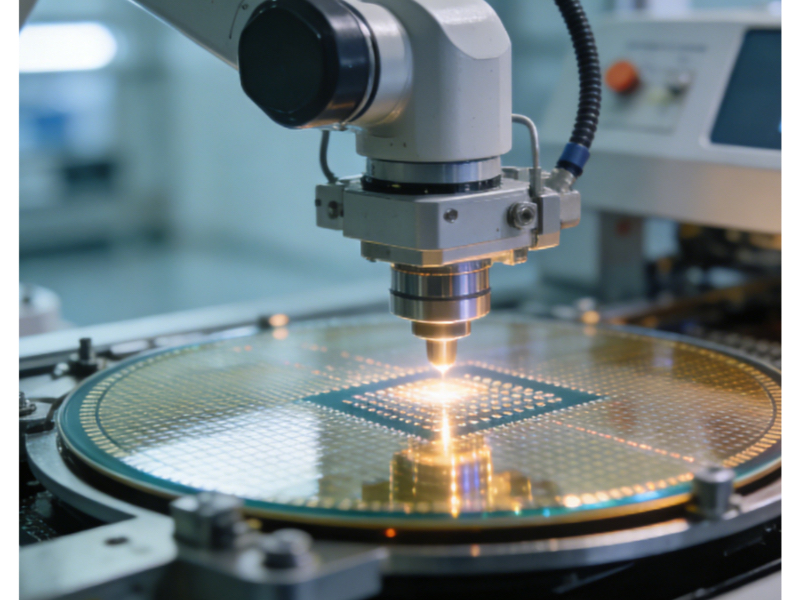
- Baidu’s AI chip unit Kunlunxin has filed confidentially to list on the Hong Kong Stock Exchange, signalling a major step in commercialising its AI semiconductor business
- The move reflects broader efforts in China to develop domestic AI chip capabilities amid export restrictions on advanced US-made processors.
What happened: Kunlunxin seeks independent listing
Baidu’s artificial intelligence chip division, Kunlunxin Technology, has filed a confidential draft registration with the Hong Kong Stock Exchange in pursuit of an initial public offering. This step indicates that the Beijing-based AI chip designer is preparing for a spin-off and separate listing, even as Baidu retains majority control of the business.
The confidential filing, submitted on 1 January 2026, follows a recent financing round that valued Kunlunxin at about 21 billion yuan (around $3 billion). Kunlunxin was founded in 2012 within Baidu’s internal chip development arm and has gradually evolved into an independently operated entity, supplying AI chips not only to its parent company but increasingly to external customers.
The confidential filing comes amid a busy period in the Hong Kong capital market. In 2025, the exchange raised around $36.5 billion through 114 listings, more than triple the amount raised in 2024. This resurgence has made Hong Kong an attractive venue for technology companies seeking capital and international exposure.
Kunlunxin’s prospective IPO follows a series of similar moves by other Chinese AI and semiconductor companies. For example, startups such as MiniMax and Shanghai Biren Technology have also announced or initiated fundraising and listing plans, bolstered by China’s policy emphasis on domestic semiconductor development.
Also read: Baidu’s sales stall as it struggles to cash in on AI
Also read: Canva acquires Leonardo AI image startup to boost generative AI
Why it’s important
The proposed IPO of Kunlunxin is significant on several fronts. It highlights Baidu’s effort to unlock value from its AI infrastructure investments by separating out a core hardware asset, offering investors a clearer lens on its chip business potential relative to other parts of the company. This comes as Baidu’s broader business has faced pressure from competition in areas such as online advertising and cloud services.
Critically, the filing also reflects China’s broader strategic push to build self-sufficiency in advanced semiconductor technologies. The backdrop to this effort includes ongoing US export restrictions on high-end chips, particularly those used for generative AI workloads and high-performance computing, which have constrained access to cutting-edge foreign components.
China’s domestic AI hardware scene has been growing, with Kunlunxin reporting rising orders and deployment of its chips in cloud and telecom infrastructure. Reuters and other industry sources note that Kunlunxin has won significant orders from companies such as China Mobile and its suppliers, deploying chips compatible with the dominant CUDA software ecosystem—an important factor for AI developers.
However, questions remain about the path ahead. While the confidential filing indicates momentum towards public markets, Baidu has previously stated that any proposed IPO remains subject to regulatory approvals and internal decisions and thus is not guaranteed to proceed.
