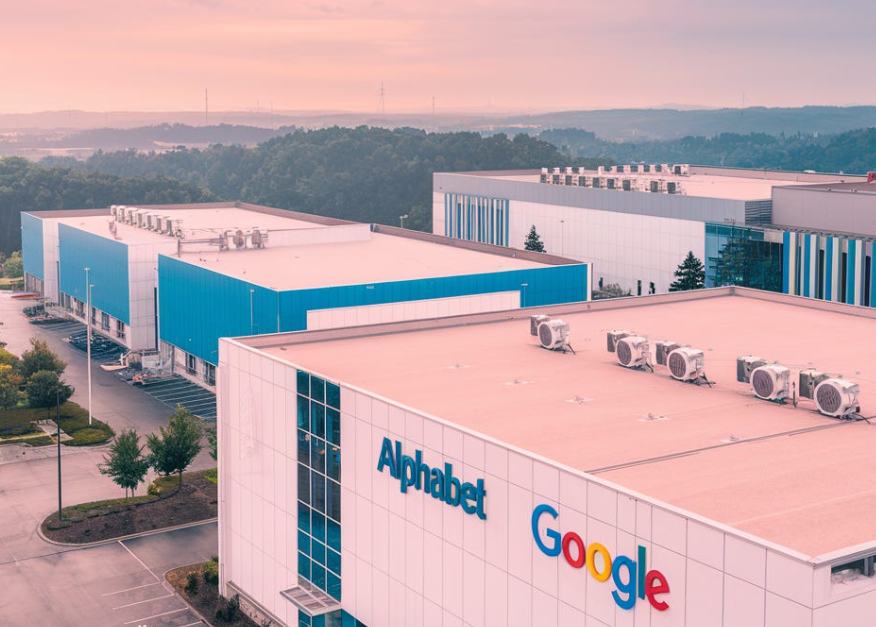
- Alphabet expects capital spending to rise sharply in 2026 as it expands data centers and AI capacity.
- The plan highlights fierce competition in cloud and AI and the risk of higher costs.
What Happened
Alphabet said it expects capital expenditure to increase significantly in 2026, driven mainly by investment in data centers, networking equipment, and AI infrastructure. The forecast came as the company reported stronger-than-expected fourth-quarter earnings, lifted by resilient advertising revenue across Search, YouTube, and Google’s network businesses.
The company did not publish a precise capex figure for 2026, but executives made clear that spending would be “substantially higher” than in previous years. Most of this outlay will go towards expanding data centre capacity, upgrading servers, and deploying specialized AI chips to support large-scale model training and deployment.
Cloud computing remains a central pillar of this strategy. Alphabet said its cloud division continued to grow, as more enterprises migrated workloads and adopted AI tools built on Google’s infrastructure. Management stressed that higher spending is necessary to meet customer demand and avoid bottlenecks in compute capacity.
At the same time, Alphabet is racing to keep pace with rivals. Microsoft and Amazon have also signaled rising infrastructure investment as they compete for dominance in cloud and generative AI services. Alphabet framed its spending as essential to maintain technical parity and support its own AI products, including Gemini and enterprise AI offerings.
Also Read: https://btw.media/all/it-infrastructure/cloud-infrastructure-spend-hits-102-6b-as-ai-demand-grows/
Why It’s Important
The forecast underlines how capital-intensive the AI era has become. Training and running advanced models requires vast computing power, specialized hardware, and energy-hungry facilities. Data centers have shifted from back-office utilities to core strategic assets.
For investors, the announcement cuts both ways. Higher capex can fuel future growth, but it also squeezes free cash flow and raises the bar for returns. Alphabet will need to convert this spending into sustained revenue, either through faster cloud growth, higher AI adoption, or stronger pricing.
Competition adds another layer of risk. Cloud pricing remains aggressive, and customers can switch providers if performance or costs disappoint. Alphabet must balance rapid expansion with cost discipline, especially if economic conditions weaken or enterprise IT budgets tighten.
There are also regulatory and geopolitical factors to consider. Data center construction depends on energy policy, land use approvals, and cross-border data rules, all of which vary by region. Delays or restrictions could slow deployment and inflate costs.
In short, Alphabet is doubling down on infrastructure at a pivotal moment for AI. Whether this bet pays off will depend on demand, execution, and its ability to turn massive investment into durable competitive advantage.
Also Read: https://btw.media/all/it-infrastructure/ai-and-data-centre-boom-exposes-five-key-debt-hotspots/
