
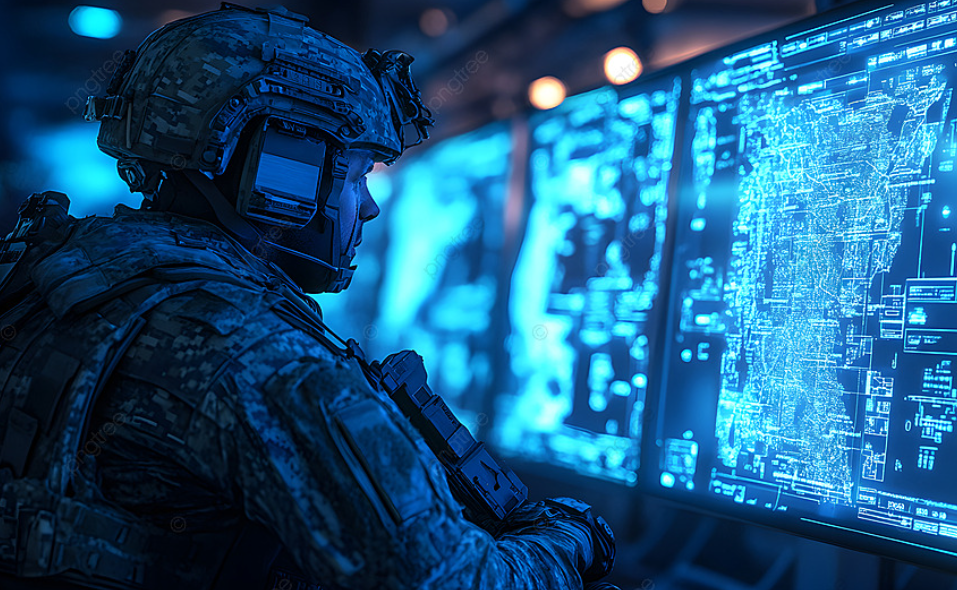
- Artificial intelligence and large-scale data systems are playing an increasing role in analyzing battlefield information.
- The Iran conflict highlights how digital infrastructure such as data centres has become strategically important.
What Happened
Artificial intelligence and large-scale data infrastructure are increasingly shaping modern warfare, according to a report examining how digital technology is being used in the context of the Iran conflict.
The report describes how advanced computing systems are now central to analyzing intelligence, monitoring activity, and processing huge volumes of data during military operations.
Modern military systems generate enormous amounts of information, including satellite imagery, communications data, and sensor readings. AI systems can help analysts sort through this material more quickly than traditional methods. Algorithms can identify patterns, detect anomalies, and flag potential threats in large datasets.
The report also highlights the growing role of data centres and computing infrastructure in supporting these systems. AI applications require significant processing power and storage capacity. As a result, the digital infrastructure behind AI—including servers, cloud computing facilities, and data centres—has become a strategic asset.
Countries increasingly rely on high-performance computing to support intelligence analysis and operational planning. Military analysts say the speed at which data can be processed may influence decision-making during rapidly changing situations.
Also Read: https://btw.media/all/tech-trends/ai/trump-allows-nvidia-ai-chip-exports-to-china/
Why It’s Important
The growing role of AI in conflict reflects a wider technological shift. Governments and defense organizations around the world are investing heavily in artificial intelligence and advanced computing capabilities.
AI tools can assist with tasks such as analyzing satellite imagery, identifying equipment movements, and monitoring communications networks. These capabilities may improve situational awareness and allow faster responses to emerging threats.
However, the increasing use of AI also raises concerns. Automated analysis may introduce errors or biases if algorithms misinterpret complex data. Military decisions based on flawed outputs could carry significant risks.
There are also broader geopolitical implications. Control of computing infrastructure, semiconductor supply chains, and data processing capacity may become more important in future conflicts.
The reliance on data centers and AI systems highlights a new dimension of strategic competition. Beyond traditional military hardware, countries now compete in areas such as computing power, algorithm development, and digital infrastructure.
Whether these technologies ultimately improve security or simply accelerate the pace of conflict remains an open question. As AI systems expand into defense and intelligence operations, governments and military organizations face the challenge of balancing technological advantages with oversight and accountability.
Also Read: https://btw.media/news/israel-iran-war-drives-middle-east-digital-shift/
