
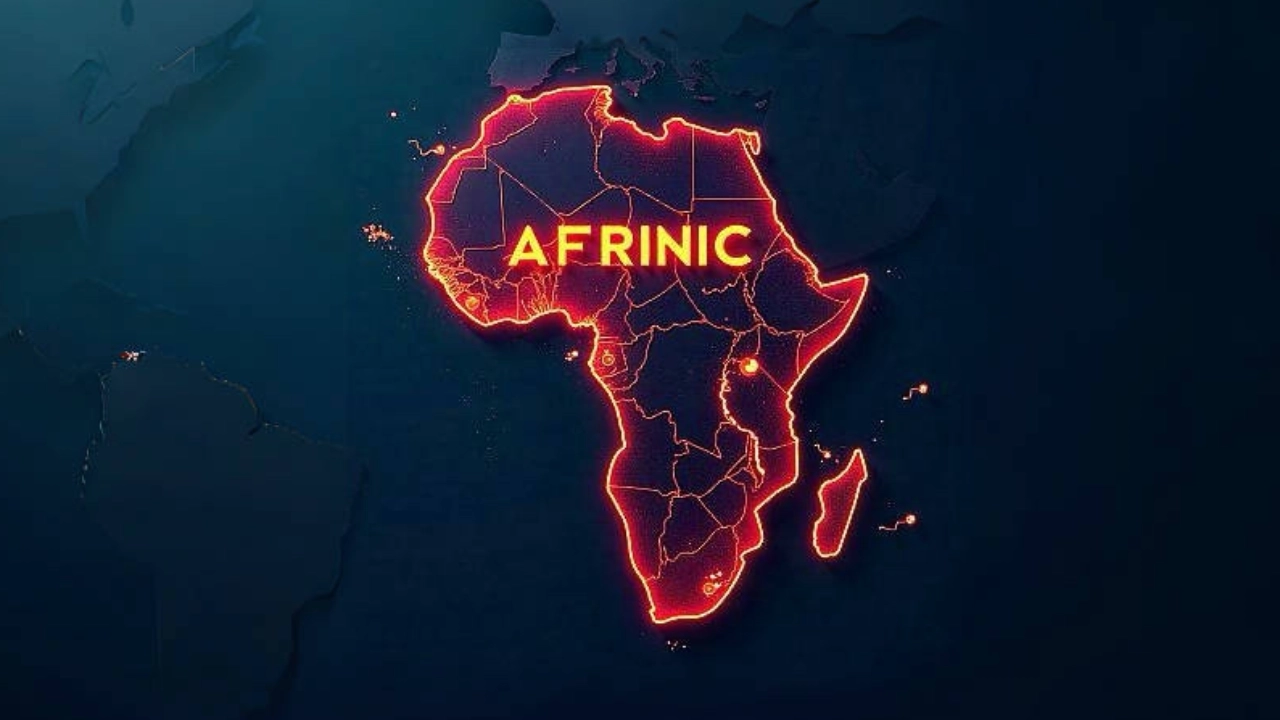
- CAIGA proposes a new continental architecture that strengthens political oversight over AFRINIC’s traditionally bottom-up model.
- Operators fear uncertainty in accountability, policy stability, and long-term number resource management.
CAIGA’s Rise: What It Means for AFRINIC Members and Operators
For more than two decades, AFRINIC has operated as Africa’s Regional Internet Registry, responsible for allocating IP addresses and maintaining critical number resources for networks across the continent. Its legitimacy has rested on a simple but globally accepted principle: that policy decisions come from an open, transparent and bottom-up process in which operators, engineers and community members make the rules.
CAIGA — the Continental Africa Internet Governance Architecture introduced by Smart Africa — represents a very different vision. Positioned as a political coordination mechanism for Africa’s digital future, CAIGA embeds state-driven oversight into areas traditionally handled by the technical community. And while Smart Africa frames this as strengthening African digital sovereignty, many AFRINIC members see it as redefining the basic accountability model that underpins the global RIR system.
Also read: ICANN and AFRINIC: A partnership or a power play?
A shift from community governance to political authority
The concern is not that governments are coordinating — African states have long played an important role in the region’s digital landscape — but that CAIGA’s structure places political endorsement above membership ratification. Rather than policy rising from operators and users, reforms could be shaped externally and then directed into AFRINIC from the top. The introduction of new centralised leadership roles and continent-level political sign-off creates the perception that AFRINIC’s own members may no longer be the decisive voice in how number resources are managed.
This marks a clear departure from the frameworks used by RIPE NCC, ARIN, APNIC and LACNIC, where bottom-up community authority remains the foundation. For AFRINIC members, the fear is not about sovereignty but about symmetry: if Africa’s RIR shifts toward political stewardship, then the global model is no longer consistent.
Also read: AFRINIC vs. CAIGA: Competing visions for Africa’s internet future
Uncertainty for operators
Network operators — from mobile carriers to IXPs to cloud providers — depend on predictable, neutral policy environments. Any governance mechanism that introduces political discretion into number resource allocation or institutional decision-making risks undermining long-term certainty. Some operators worry that CAIGA’s architecture creates new layers of mediation without establishing clear accountability pathways back to the technical community.
AFRINIC’s policy development process exists specifically to prevent this kind of uncertainty: it requires consensus, transparency, and broad review before decisions become binding. CAIGA, by contrast, elevates the possibility that policies or reforms could be guided by political mandate rather than operational need.
Also read: Is ICANN dodging the AFRINIC community by supporting Smart Africa’s CAIGA?
Implications beyond Africa
The deeper question for the global internet community is whether CAIGA reflects a shift affecting only Africa or the beginning of a broader realignment of how internet infrastructure institutions operate. If political endorsement replaces community governance in one region, it becomes harder to argue that others should retain their current model. Consistency is not cosmetic — it is the mechanism that guarantees fairness in distributing finite number resources worldwide.
